

Chancellor Jeremy Hunt 'wary' of new subsidies as companies look to US for government support
Britain's only surviving home-grown battery producer is considering shifting manufacturing from the UK to the US to benefit from American subsidies, Sky News can reveal.
AMTE Power, a Thurso-based firm with a history going back to the very earliest days of lithium ion batteries, told Sky News it is now very difficult to justify keeping production in the UK given the incentives being offered to companies to make green technology in the US.
It comes after America introduced an unprecedented set of subsidies for green companies as part of its multibillion dollar Inflation Reduction Act (IRA).
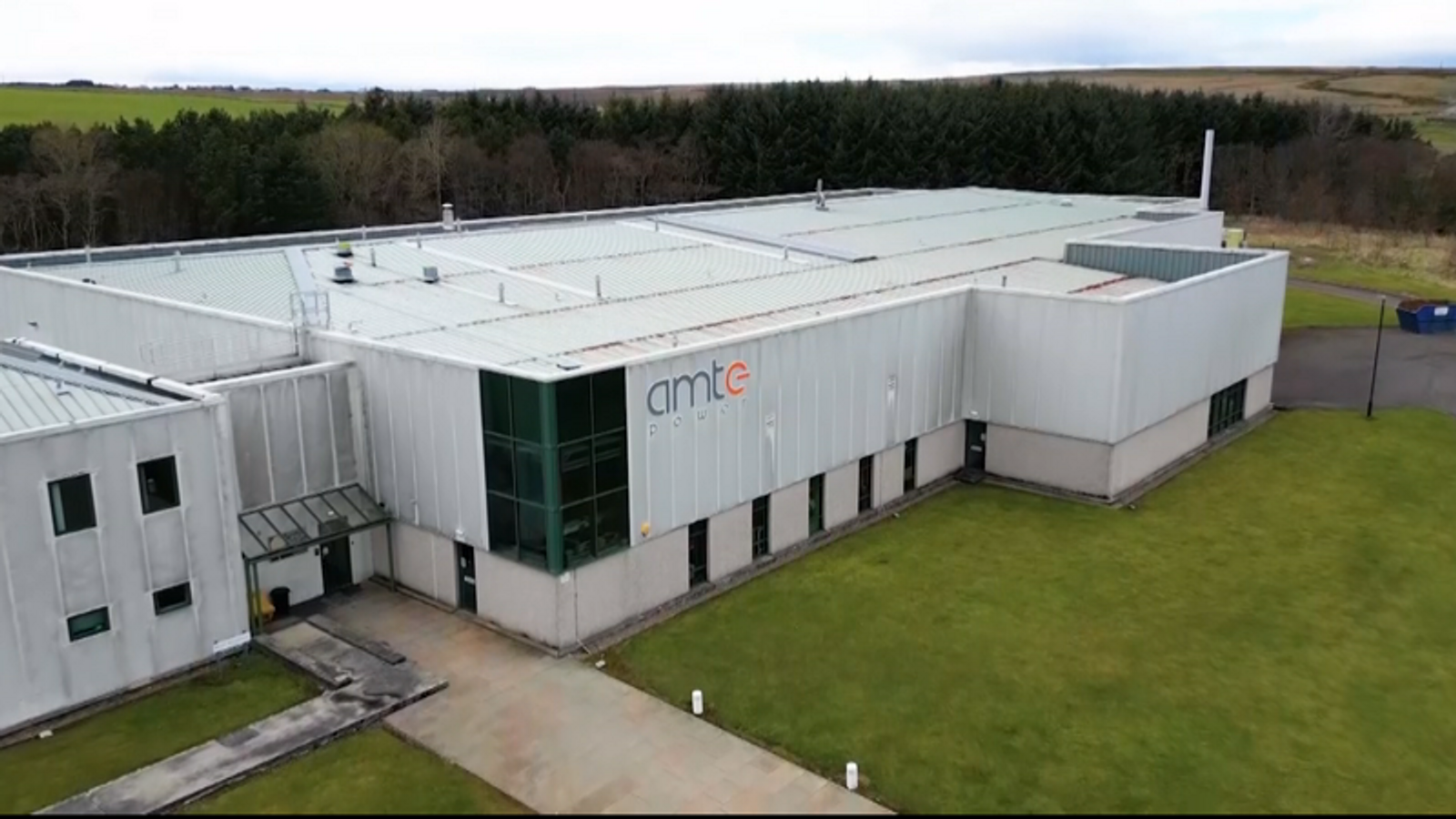 AMTE made some of the first lithium ion batteries for military customers in the 1990s
However, the Chancellor Jeremy Hunt told Sky News that Britain should be wary of any new subsidies, warning that they could undermine the economy and might even trigger a protectionist trade war.
AMTE, whose history includes having made some of the world's very first lithium ion batteries for military customers in the 1990s, has plans for three new special types of cells: one for high-performance vehicles, one for energy storage and one very long-lasting battery.
The business is already making batches of the cells in its Thurso base but has plans to build a bigger plant - a gigafactory, as large battery plants are sometimes called - in Dundee. But the IRA has completely changed the calculus, according to chief executive Alan Hollis.
"In the Inflation Reduction Act, the typical support for the running costs of a gigafactory would be between 30 and 50% of the operating costs," he said. "The answer is perfectly clear [about] where the most economic place for the gigafactory will be.
"We don't have a competitive environment in the UK at this moment in time."
Several large and small companies, including car giant Volkswagen, have announced plans to open new battery production in the US. And since the IRA covers all green technologies there are fears that other UK businesses, focused on hydrogen, carbon capture and wind power among others, might relocate.
AMTE's warning is of particular symbolism, however, since some of the world's very first lithium ion batteries were made at its Thurso plant.
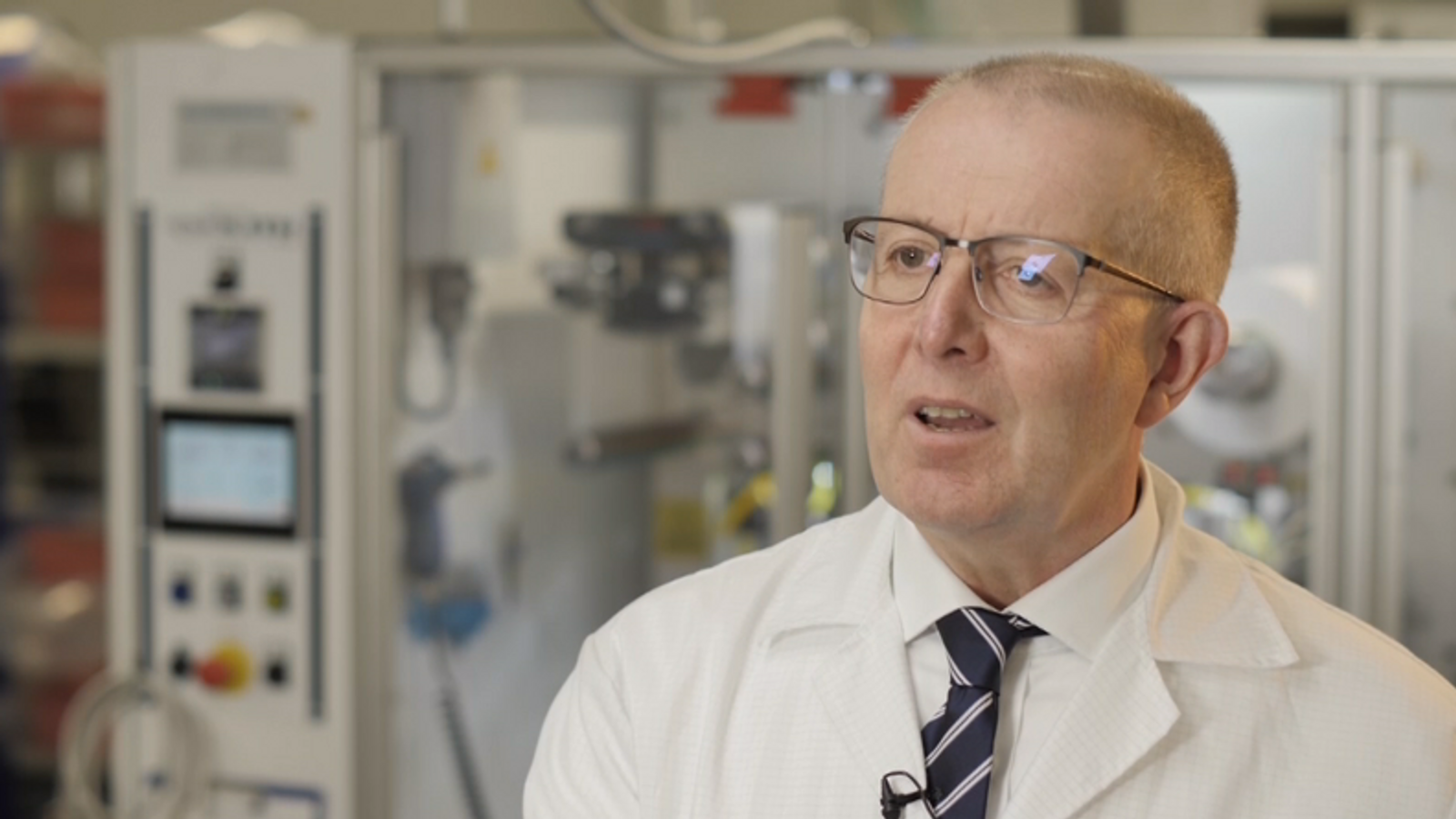 AMTE Power's Alan Hollis says the UK does not have a 'competitive environment'
Mr Hollis said AMTE was now actively considering shifting its production overseas.
"We are a home-grown UK business," he said. "We see ourselves as a UK company. We've developed the technology here. We want to commercialise the technology here and we want to manufacture the product here.
"But we have to ask the question if the subsidies are available overseas."
The warning follows the implosion of the great hope for the UK battery sector, BritishVolt, which faced administration and whose plans for a gigafactory in Blythe remain in doubt.
Mr Hollis said: "Unless we make the UK a competitive place for battery manufacturer, we probably won't end up with a battery manufacturing industry in the UK. And the consequences of that are clear for the automotive industry and for the energy storage sector as well."
However, the chancellor, who discussed the Inflation Reduction Act with his international counterparts in Washington over the past week, signalled that he had no plans for fresh subsidies.
"If you depend entirely on subsidies, there's a risk," he told Sky News. "First of all it's wasteful to spend money subsidising factories that would have been built anyway. Secondly, when you take subsidies away, you can end up with a business that's not viable."
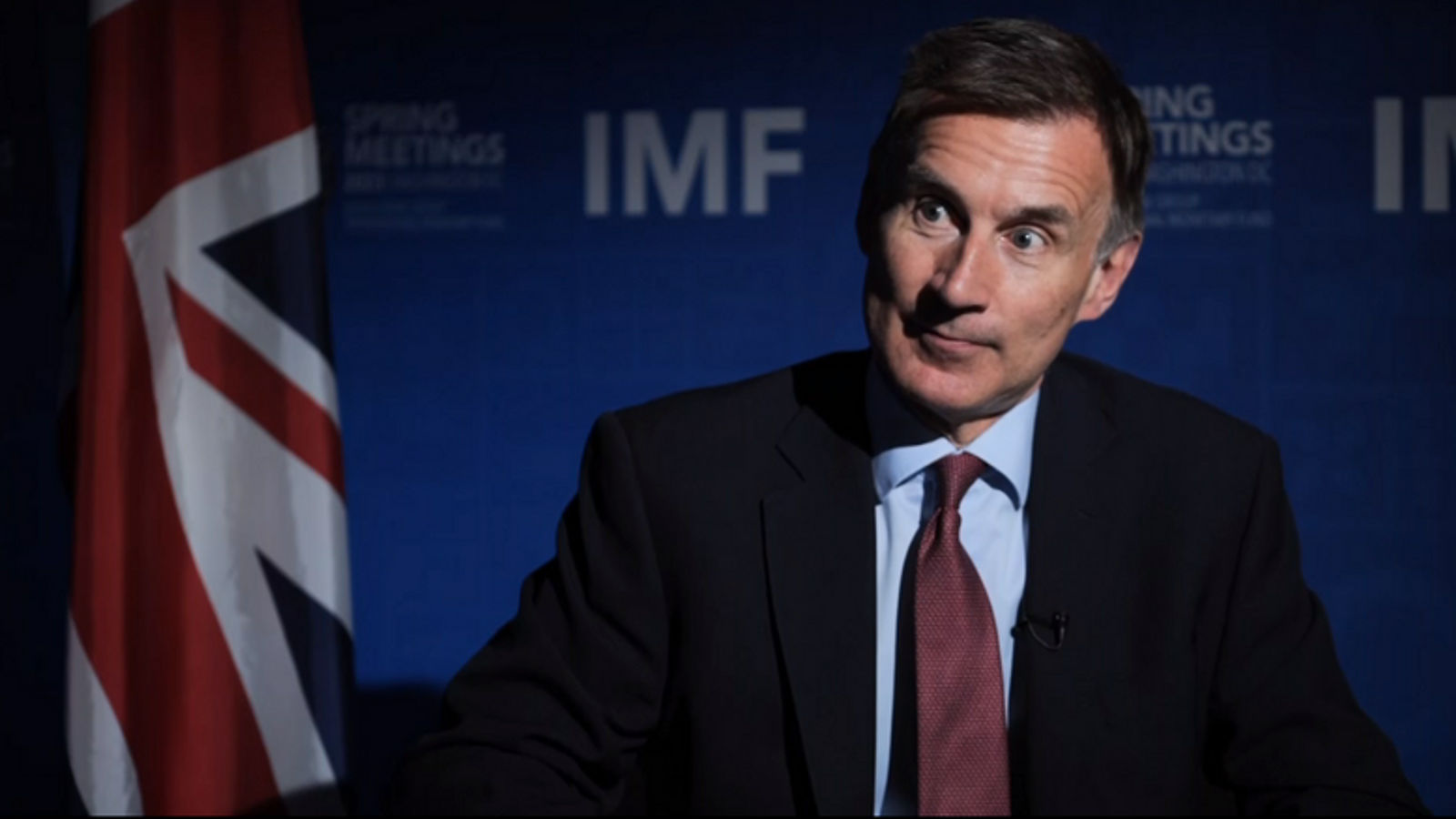 Mr Hunt says the UK should be wary of any new subsidies
"So our model in the UK is a combination of some support to get businesses off the ground and then some market regulatory changes that mean those businesses have a long-term future and investment incentives through the tax system."
Asked whether he feared the IRA would lead to more protectionism around the world, Mr Hunt said: "We can be sensible and pragmatic and develop supply chain sources through our friends - sometimes through ourselves - and continue to benefit from sharing and benefiting mutually from technology.
"If we were to turn our backs on free trade that will be a disaster for the world economy. We will enter into a dark ages period."
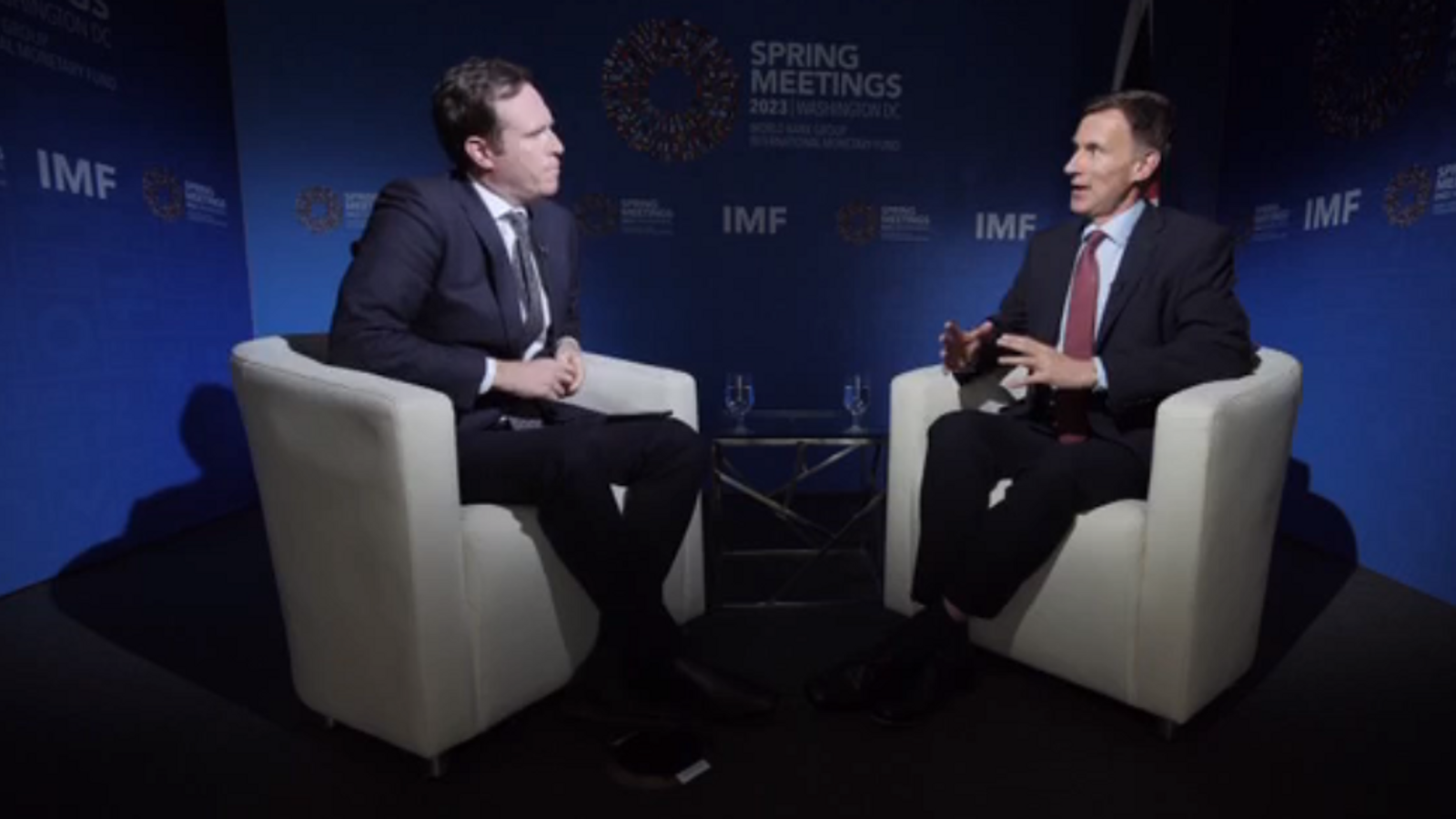 Sky News' economics editor Ed Conway and Chancellor Jeremy Hunt
The chancellor intends to reveal more details of his response to the US Inflation Reduction Act at the Autumn Statement later on this year. However, many businesses are already starting to make plans to shift production.
"The time to be thinking about making investments is now; it's not in six months' time. It's now. Our competitors are getting significant advantage from their governments… We're struggling to raise the funding and to get the government support.
"And so that ideally, what we need is a joined-up end-to-end industrial strategy from the government that enables the creation of a competitive environment for the UK battery industry here in the UK. That then enables us to become competitive and create jobs, drive the investment and achieve our green goals."

