LONDON DAILY ARCHIVE
Cancer survival rates' gains slow down
Recent research indicates a significant decrease in the rate of improvement for cancer survival.
02 February 2024 · 06:42 UTC

However, they note that long-term survival in the UK is at its highest, increasing slightly from 47.9% to 49.8% between 2010 and 2018, a stark contrast to the 24% in the early 1970s.
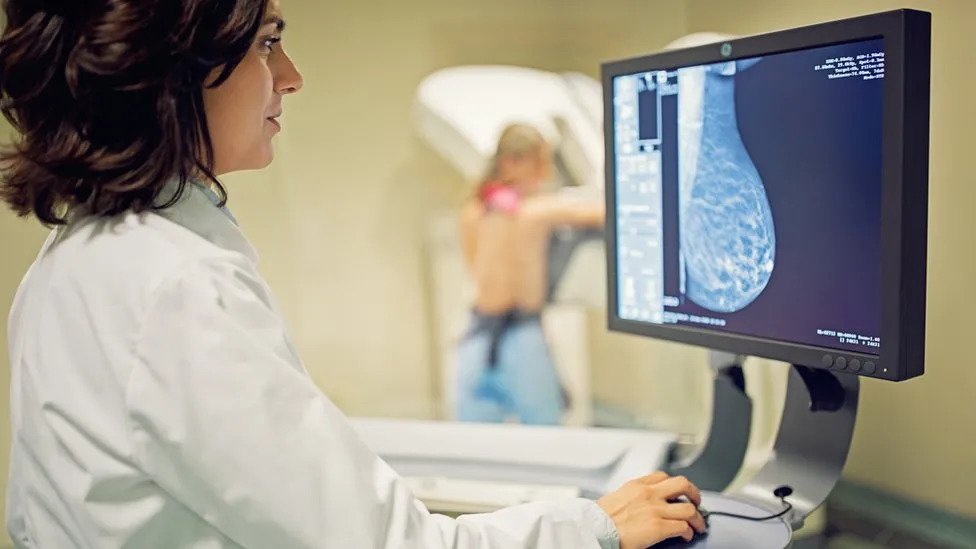
The charity, for the first time in ten years, has released comprehensive UK cancer survival statistics, highlighting that screenings for breast, bowel, and cervical cancers save over 5,000 lives annually. Advancements in treatment, diagnosis, and prevention owe much to research.
Yet, the report warns of a potential £1bn+ research funding shortfall over the next decade, threatening future medical breakthroughs.
Jon Shelton from Cancer Research UK emphasizes progress but points to areas needing urgent attention—the sluggish pace of survival improvements, long diagnosis and treatment waits, and the missed targets for cancer waiting times. He makes a case for more cancer prevention.
The report also names smoking as the top cancer cause in the UK, with obesity linked to nearly 23,000 annual cancer cases and 13 cancer types.
To address rising challenges, including the projected annual 500,000 new cancer cases by 2040 due to demographic changes, Cancer Research UK proposes a "national cancer council" to devise a long-term strategy. It notes the economic benefits of investing in research, stating that every £1 spent yields £2.80 in benefits.
The Department of Health acknowledges progress, especially in long-term survival rates and increased diagnosis over the past two years. It recognizes the need for improvement and outlines investments and initiatives, including £2.3bn to expedite diagnoses and 153 community diagnostic centers, to advance cancer services.