LONDON DAILY ARCHIVE
Can Ditching Cars Gain Favor from London to New York?
Global cities are uncovering the realities of persuading citizens to cut back on car usage.
22 January 2024 · 22:15 UTC

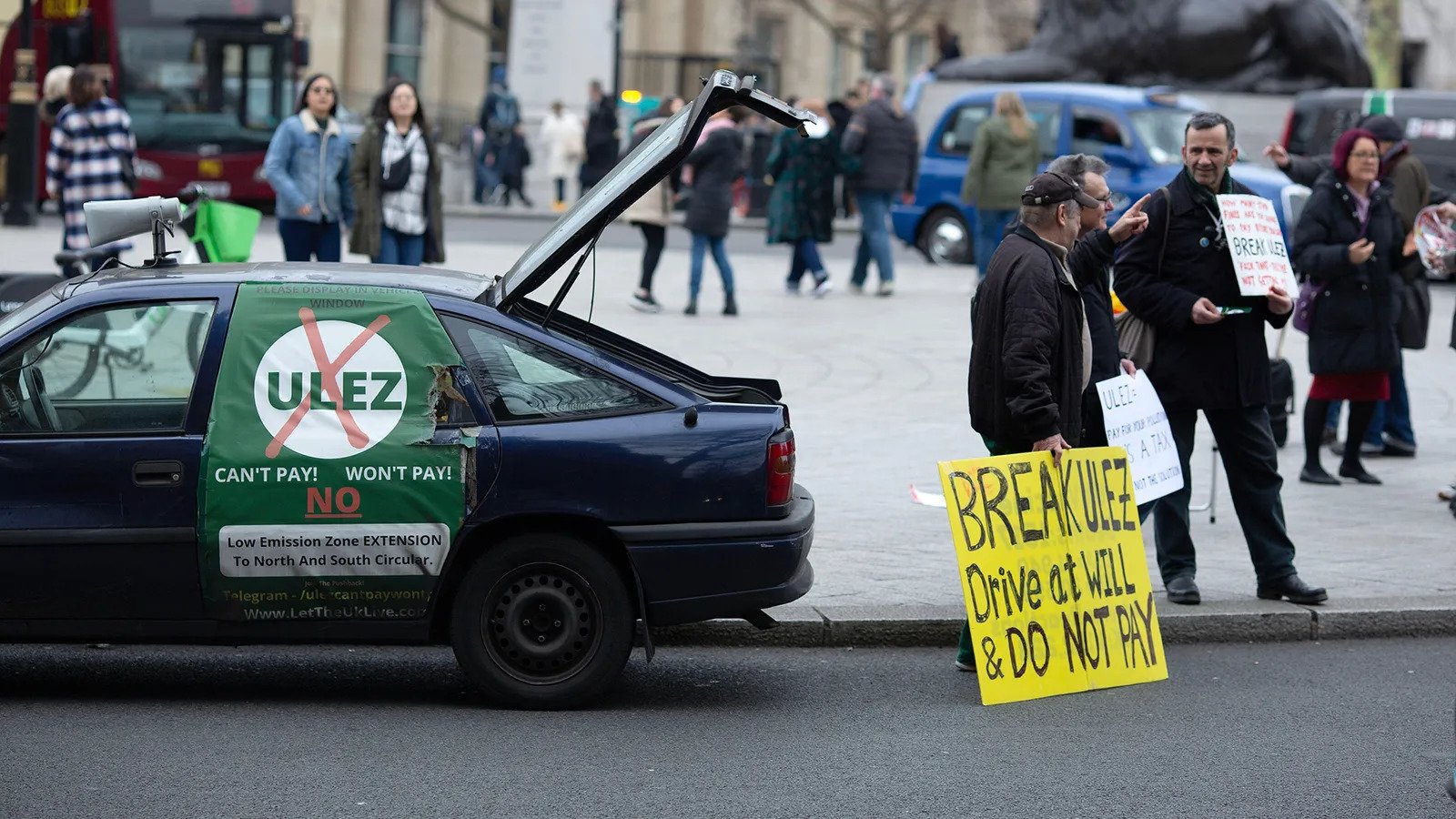
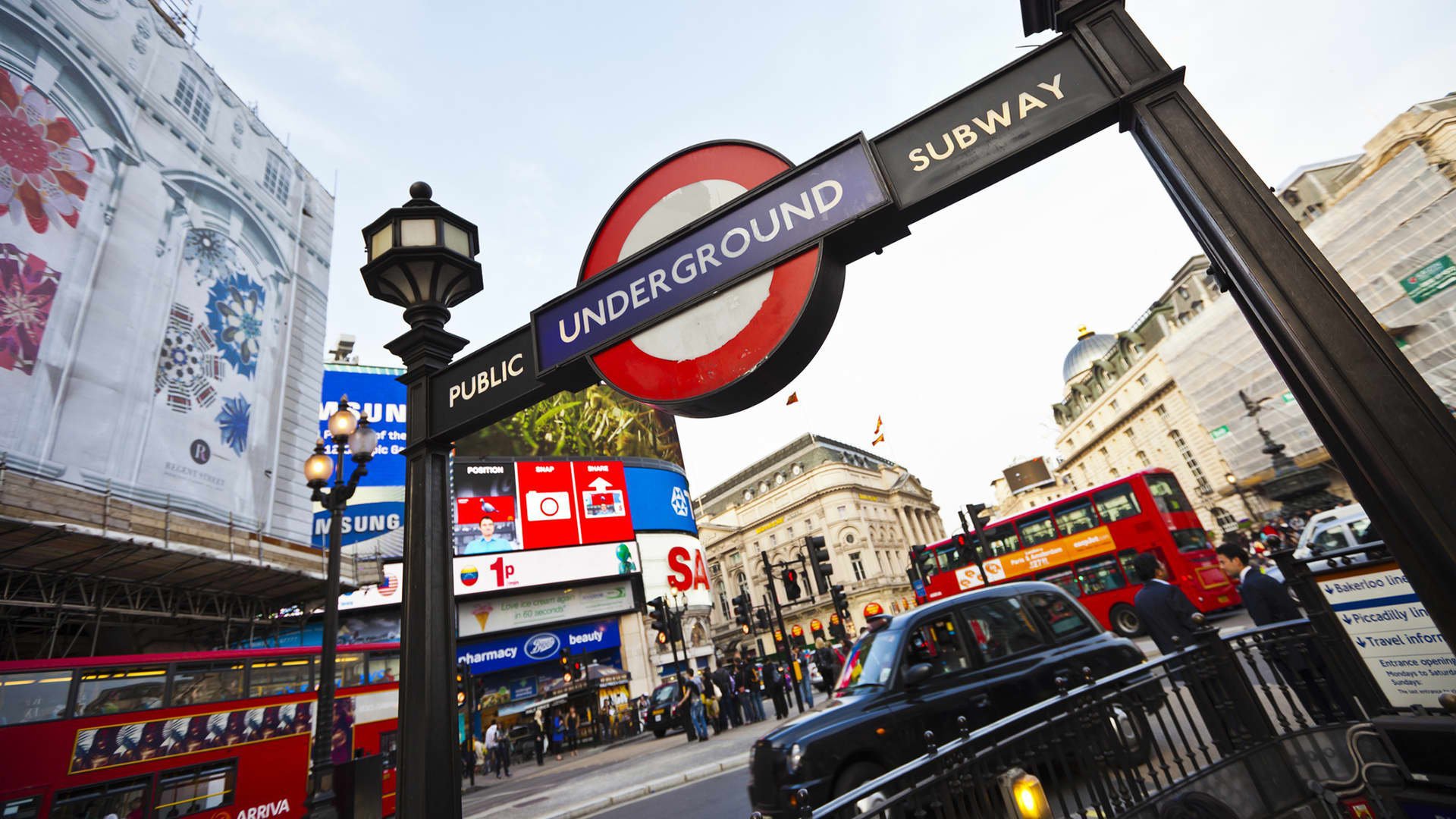


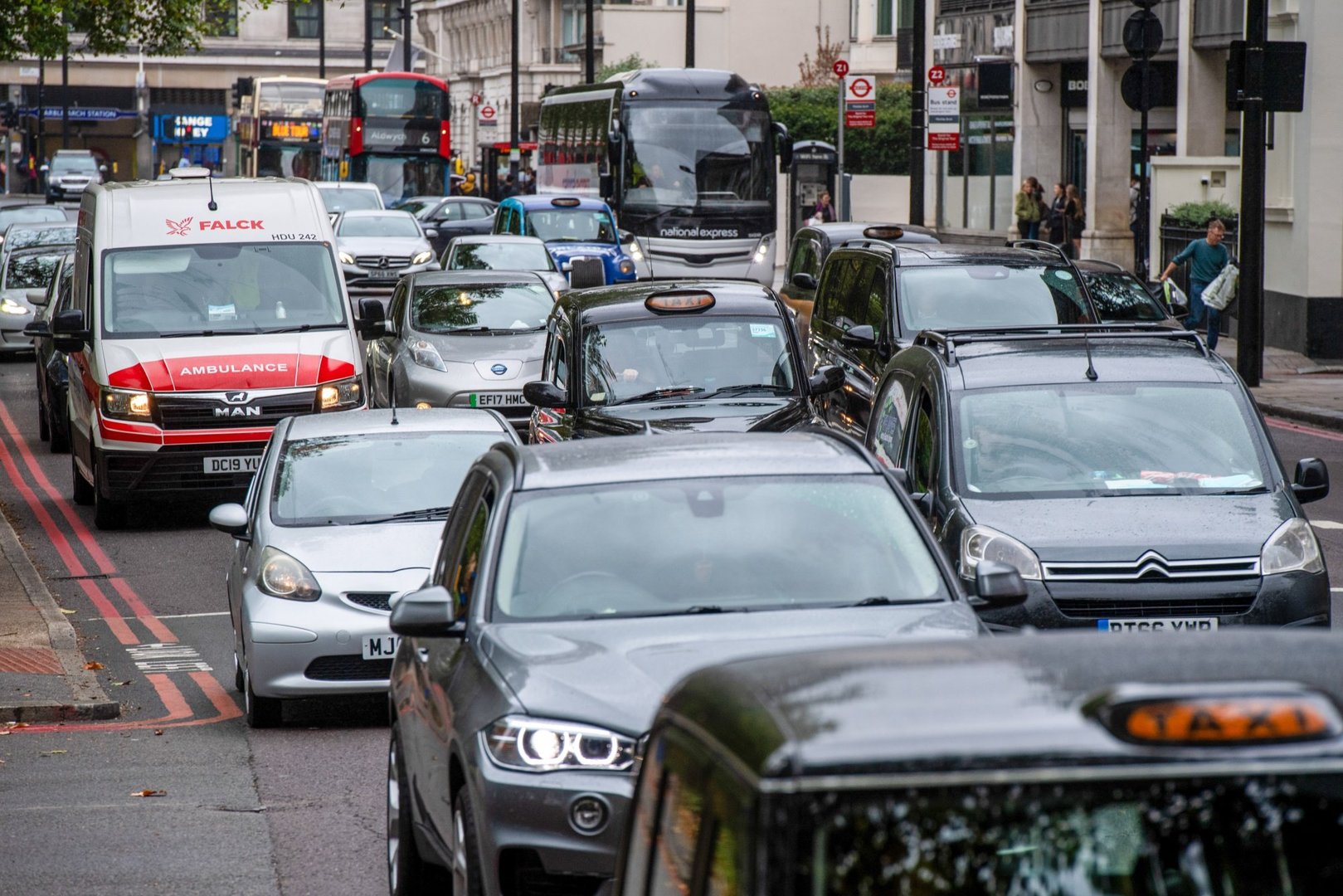
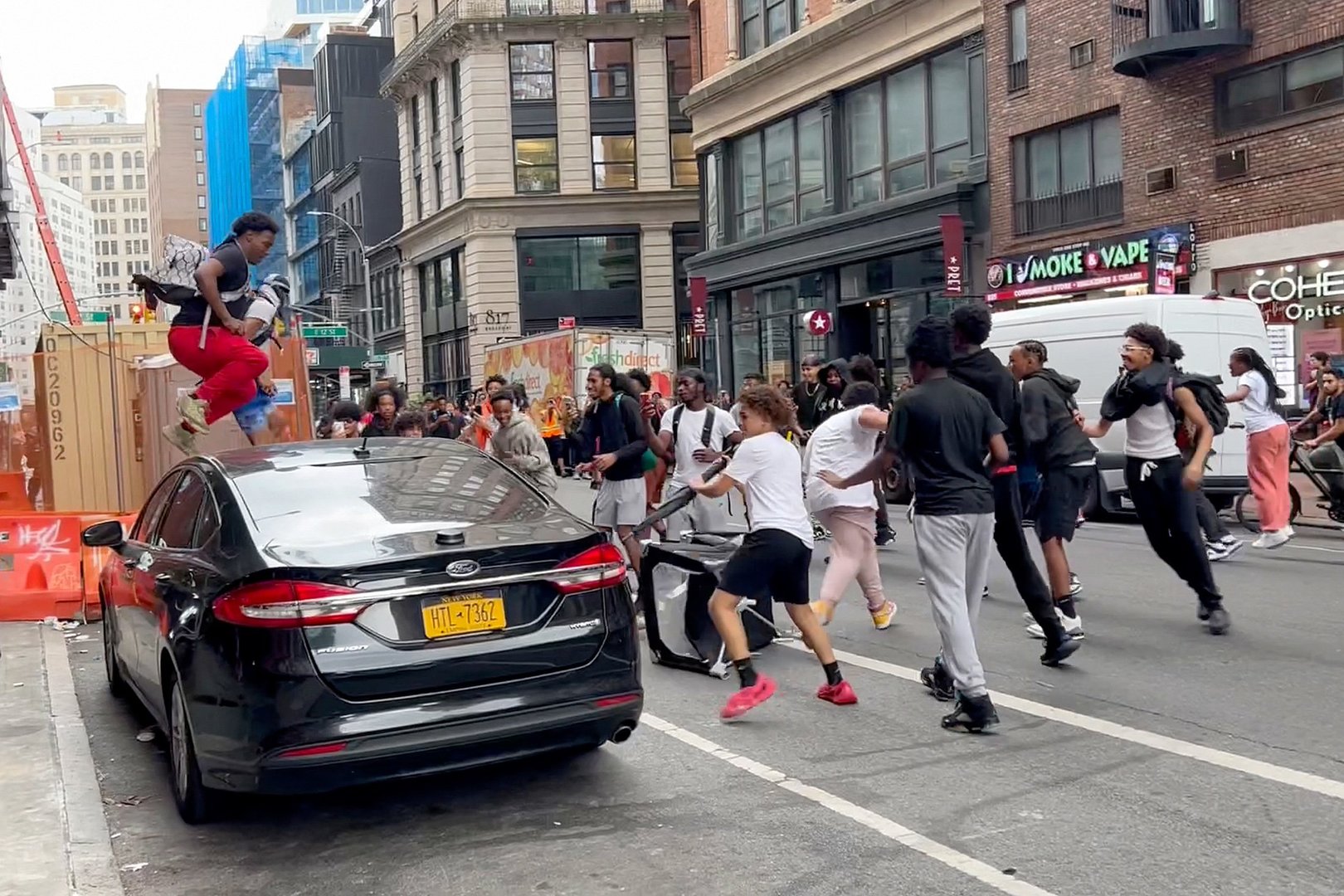
This notion echoed earlier British sentiment, as London initiated a congestion charge in 2003. Pushback continues, exemplified by protests against London's Ultra-Low Emission Zone and threats against Ghent's deputy mayor over traffic-limiting policies.
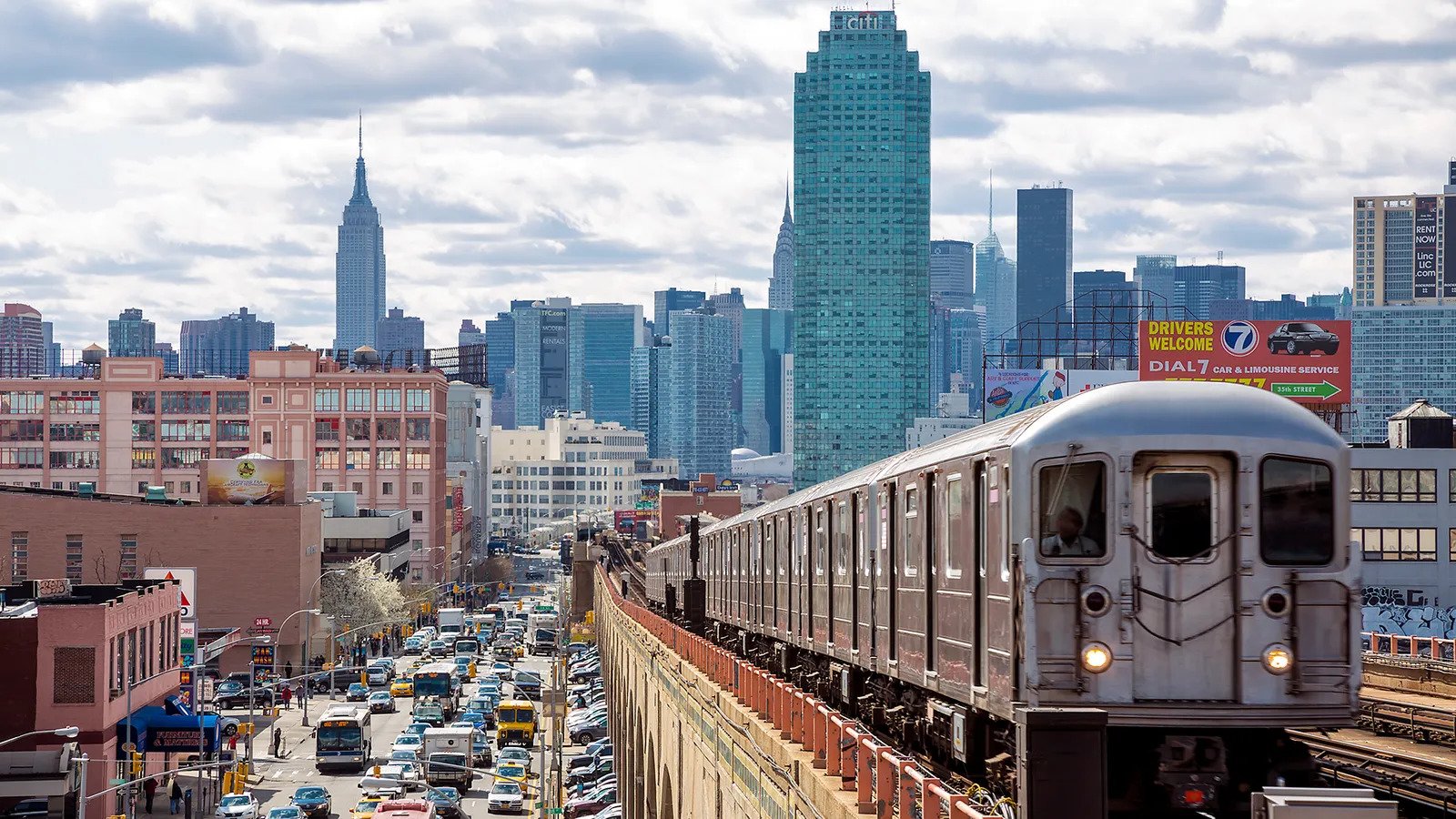
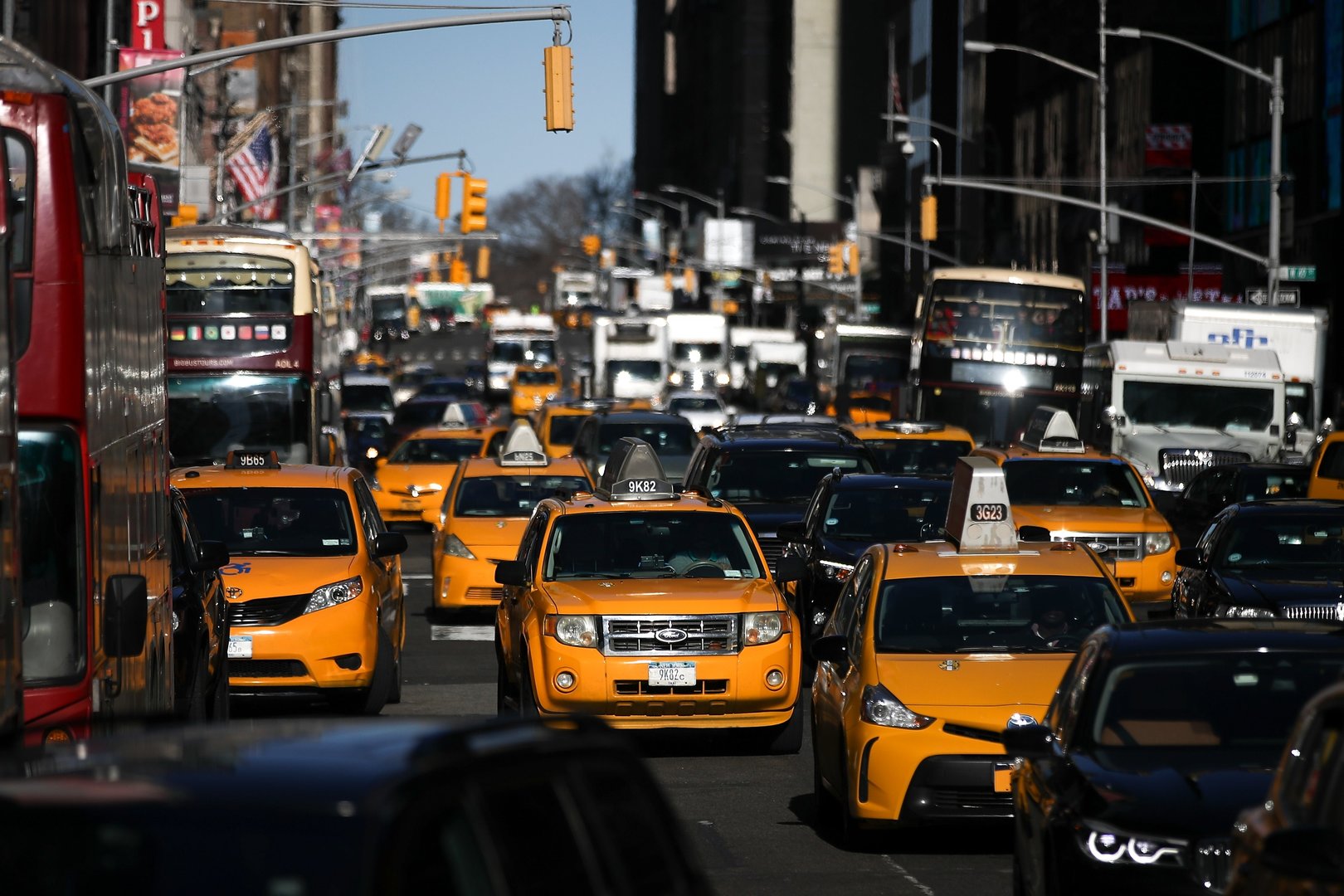
Nevertheless, world cities persist in reducing traffic and promoting cleaner air by promoting sustainable transport. Paris aspires to eliminate gas cars by 2030 to address climate change. Moreover, New York eyes a congestion charge for lower Manhattan to cut traffic by up to 20% and fund its fading subway.
Challenges abound in America, where car culture is ingrained. How can car-reducing initiatives secure broad approval?
Evidence shows that while initial resistance is strong, community approval often follows implementation. Research by University of Surrey's Birgitta Gatersleben in Guildford, UK, found that despite local business concerns, pedestrianizing areas tend to boost patronage.
Experiences in Stockholm, which saw public opinion swing from opposition to favor after a congestion pricing trial in 2006, highlight the impact of firsthand benefits. The "Goodwin curve," named after transport policy expert Philip Goodwin, suggests public support dips then rebounds post-implementation of traffic-reduction measures.
Effective communication, financial support for greener transport options, and political resolve appear critical for the successful adoption of car-reducing policies. For instance, London's congestion charge gained popularity when proceeds were earmarked for transport enhancements.
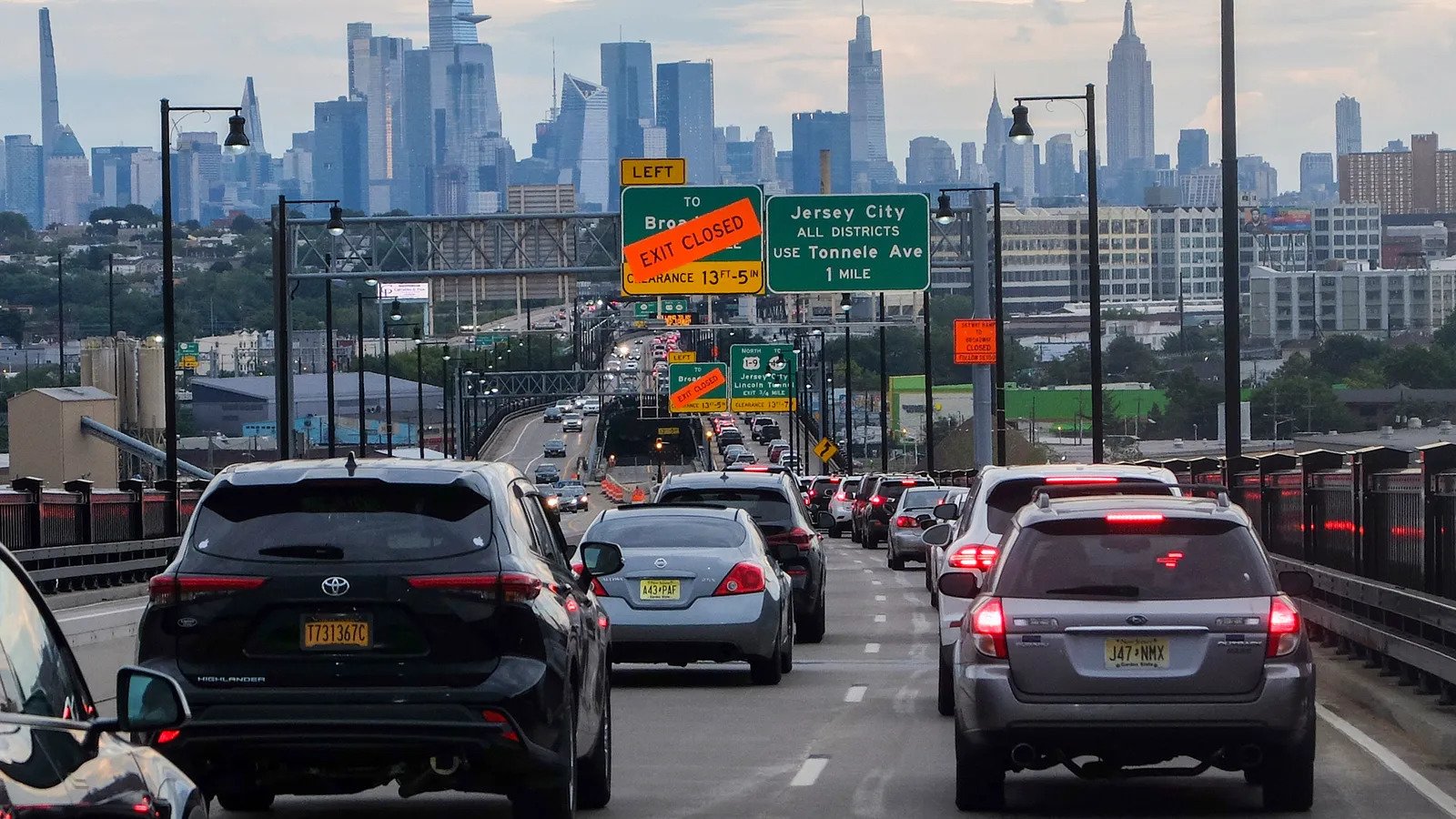
New York's forthcoming congestion charge plan includes reinvestment into public transit and flexible pricing. Still, it faces criticism and concerns, notably from New Jersey commuters.
Cities like Boston and Oregon are now exploring similar strategies. As these innovations unfold, they provide a litmus test for this approach in urban transport policy across the US.