LONDON DAILY ARCHIVE
Can a Ban Halt the Soaring Popularity of Germany's Far-Right AfD?
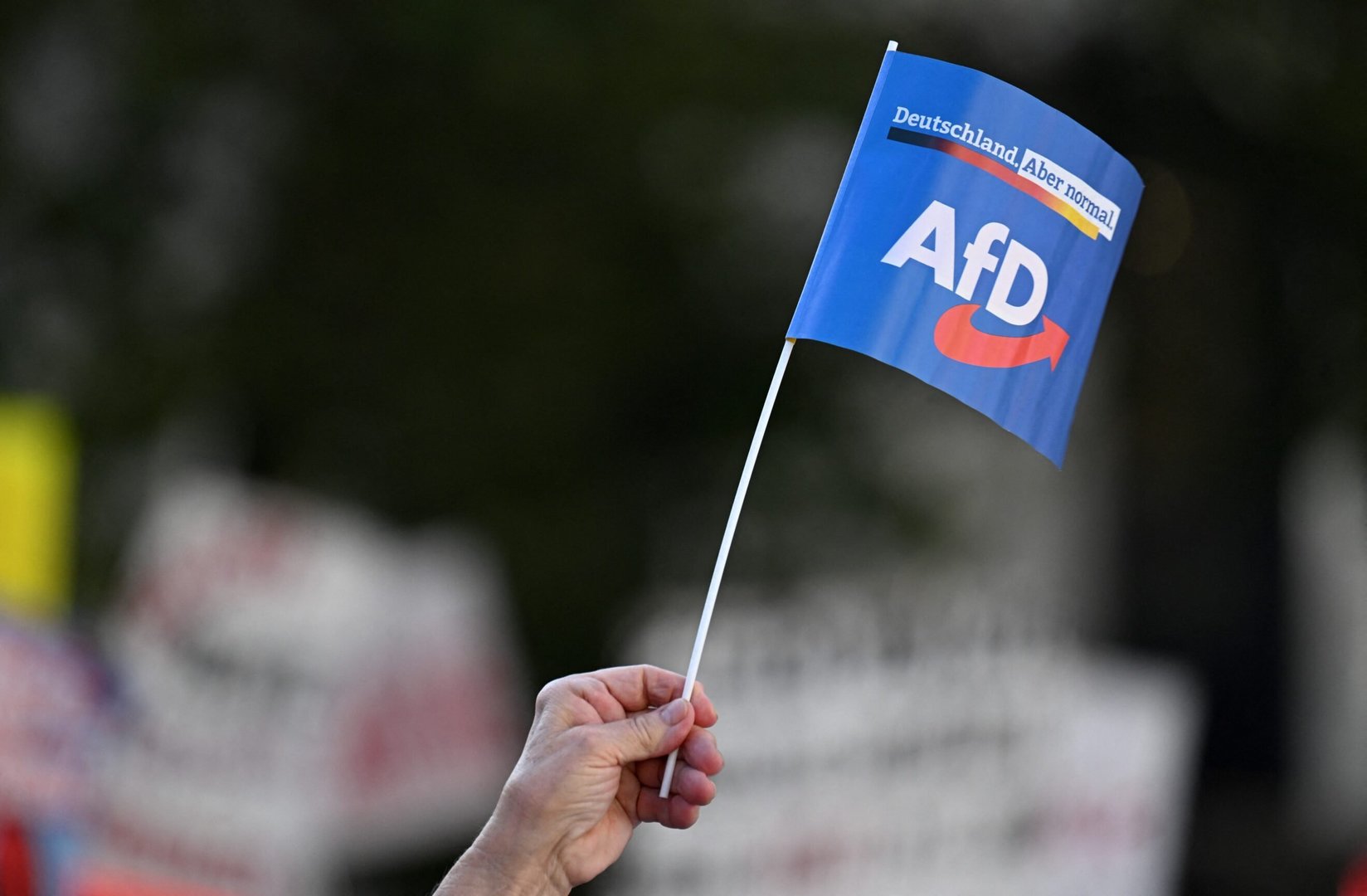
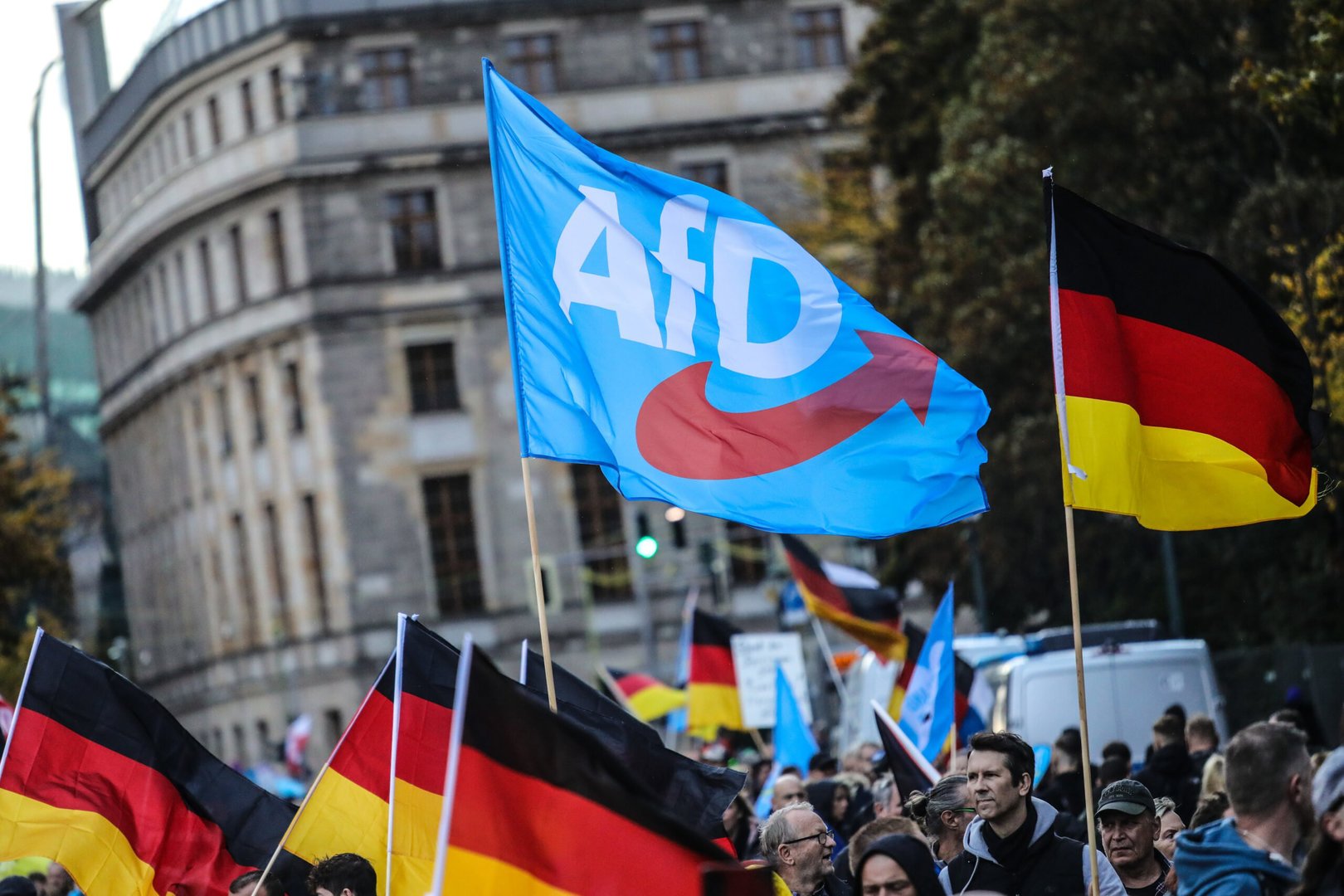
The far-right Alternative for Germany (AfD) party's increasing popularity and extremism have sparked a heated debate about whether banning the party could halt its momentum.
14 January 2024 · 09:51 UTC
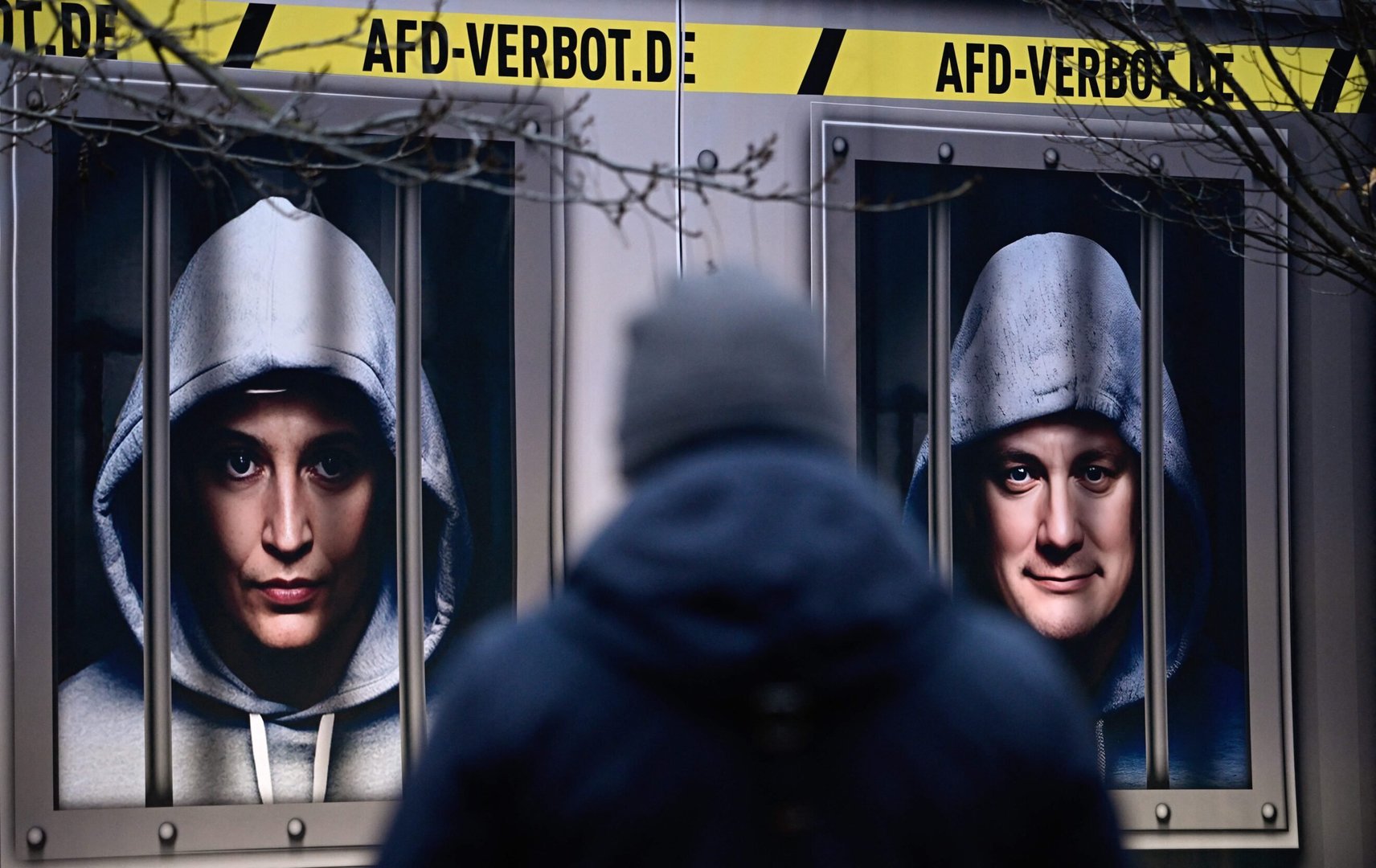

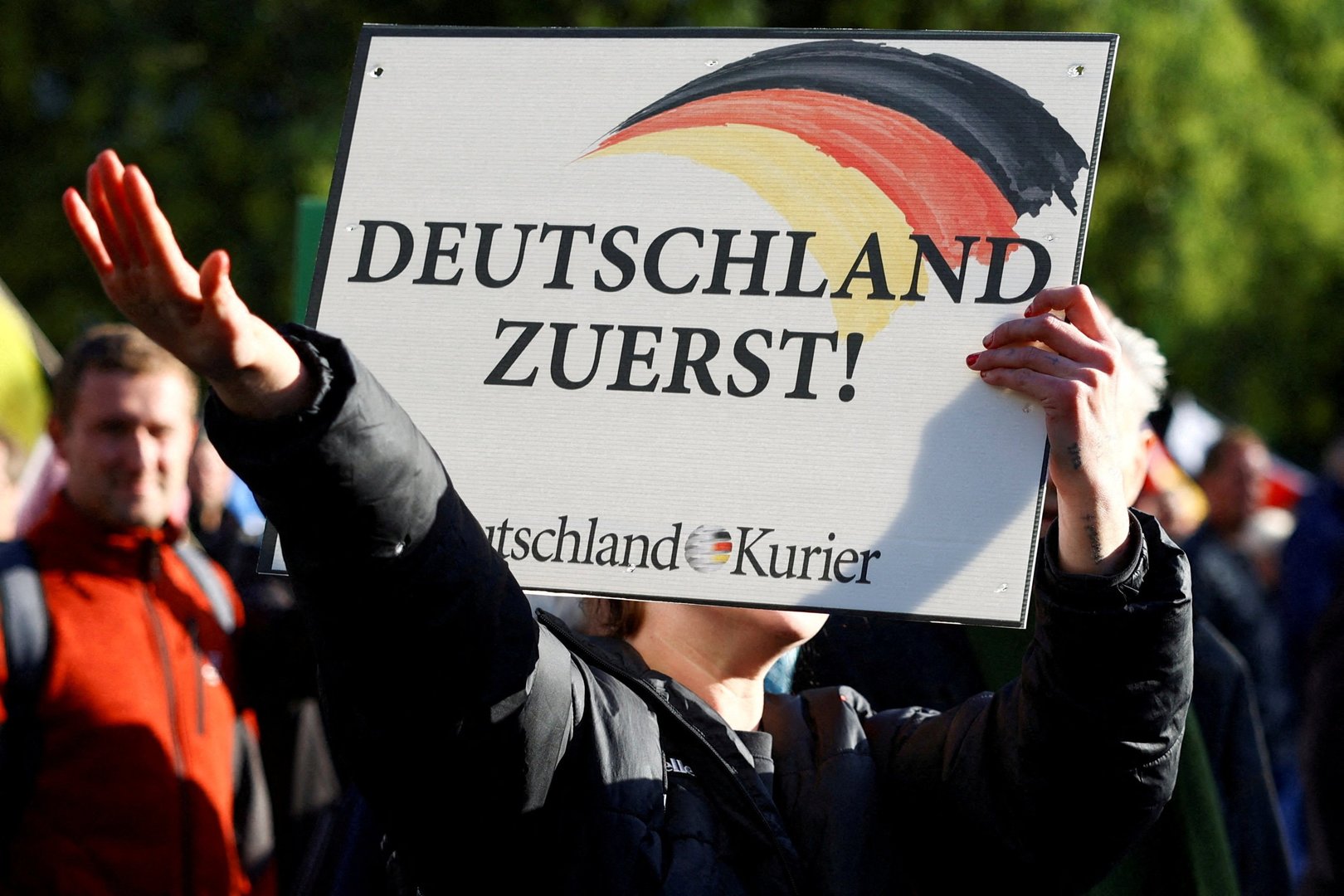
Others, however, argue that an attempt to ban the AfD may actually strengthen it by allowing the party to claim they are being silenced undemocratically.
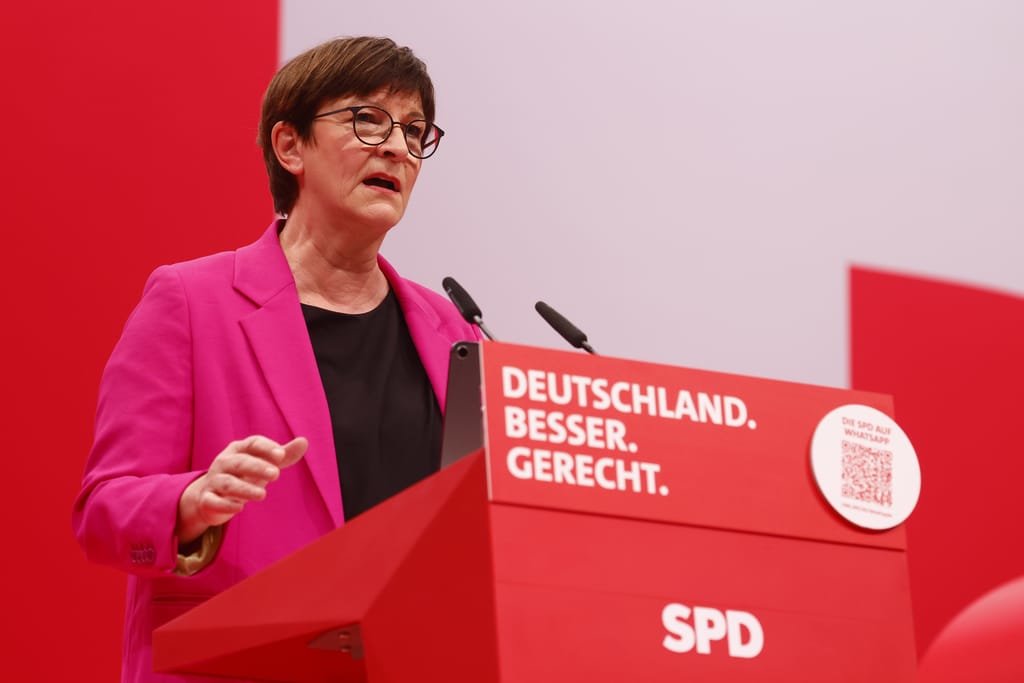
The debate intensified following statements by SPD co-leader Saskia Esken supporting a discussion on the ban to awaken voter awareness. High-profile political figures across the spectrum have since expressed their opinions on the practicality and implications of a legal ban.
The discourse comes during a pivotal year, as polls show the AfD as a significant force in upcoming European and state elections. Controversy escalated after reports that AfD members attended a meeting with right-wing extremists, discussing plans reminiscent of Nazi strategies.
This sparked outrage and associated the party even more closely with extremist ideologies.
Despite being feasible under German law for parties undermining the democratic order, banning a party is legally challenging, with only two precedents since the constitution was enacted.
Facing tests unlike any since its postwar inception, Germany's democracy witnesses divided opinions on how to address the AfD's ascent, from complete opposition to the idea of a ban by right-leaning parties to varied views within the SPD itself, who see the party's history of resisting Nazis as a badge of honor.
The complexity of the situation is encapsulated in the dilemma of addressing the AfD's sizeable support base while maintaining democratic integrity and preventing the rise of an authoritarian influence from within.