

Buying a Bathtub? Here Are the Materials, Types, and Installation Tips You Need to Know
Taking a bath is the ultimate in relaxation, but buying a bathtub can be fraught with stress. There is a dizzying array of bathtub dimensions, shapes, and materials available today, and it's a decision you want to get right. Ripping out and replacing a tub isn't high on anyone's list of fun activities, so take time to answer these important questions before you decide between purchasing a new model or bathtub refinishing. Our bathtub buying guide will help you choose the perfect tub for your home and lifestyle.
Questions to Ask Before Buying a Bathtub
How do you plan to use your tub?
The answer determines whether an inexpensive, bare-bones design is sufficient or you need something with bells and whistles. A standard soaking tub simply gets filled with water, while a whirlpool or air bath has jets or channels that provide massaging air. Extras in a soaking bathtub are typically limited to arm- or headrests, grab bars, and slip-resistant flooring. Whirlpool, air-bath, or combination tubs have many more options, including adjustable jets, ambient underwater lighting, aromatherapy features, heated blowers, and automated cleaning systems. The more elaborate your tub, the more expensive it will be.
How much space do you have?
Before falling in love with a particular type of tub, you need to know just what your bathroom can accommodate. A standard tub is 60 inches long, 30 inches wide, and 14 inches deep, but many other bathtub sizes and shapes are available. To determine how large the tub can be, take careful measurements of your bathroom and doorways. Make a note of where the drain is located on the floor to make sure it works with your chosen tub's design. Also, some tubs don't allow for the installation of a shower, so check before buying if a bathtub-shower combo is a must-have feature for your family.
Are there special bathtub installation considerations?
If you're considering a jetted bathtub, you'll need to plan for the pump, air switch, and electric timer. Many pumps fit within the tub unit, but some manufacturers have remote-location pumps that can be placed up to 5 feet from the tub and hidden in a closet or vanity cabinet. The air switch, which is nonelectric, may be located on the tub unit. Plan on installing the electric timer a safe distance—at least 5 feet—away from the tub to satisfy bathroom code requirements.
Can your water heater handle the task?
The size of your tub will affect your monthly expense. A typical bath consists of one-third cold water and two-thirds hot water. If you have a hot-water tank, can it supply enough hot water? Tubs vary in size, holding 25-150 gallons of water. Make sure your water heater is large enough to fill about two-thirds of your tub with warm water.
Does weight pose a problem?
Plastic bathtubs can weigh as little as 50 pounds empty, while a cast-iron bathtub can top 1,000 pounds. If you're considering a heavier material, can your floors handle the weight? When you add up bathtub weight, plus the weight of water and people, it may be necessary to reinforce the floor beneath the tub with supports or bracing. Also, a too-heavy tub may be impossible or prohibitively expensive to get into a second-floor bathroom.
Is the tub comfortable?
Before buying a tub, try it on for size-literally. Climb in, settle back, and imagine yourself soaking. Does it fit and feel comfortable for you? Don't be embarrassed; it's the best way to determine if you'll be satisfied with it.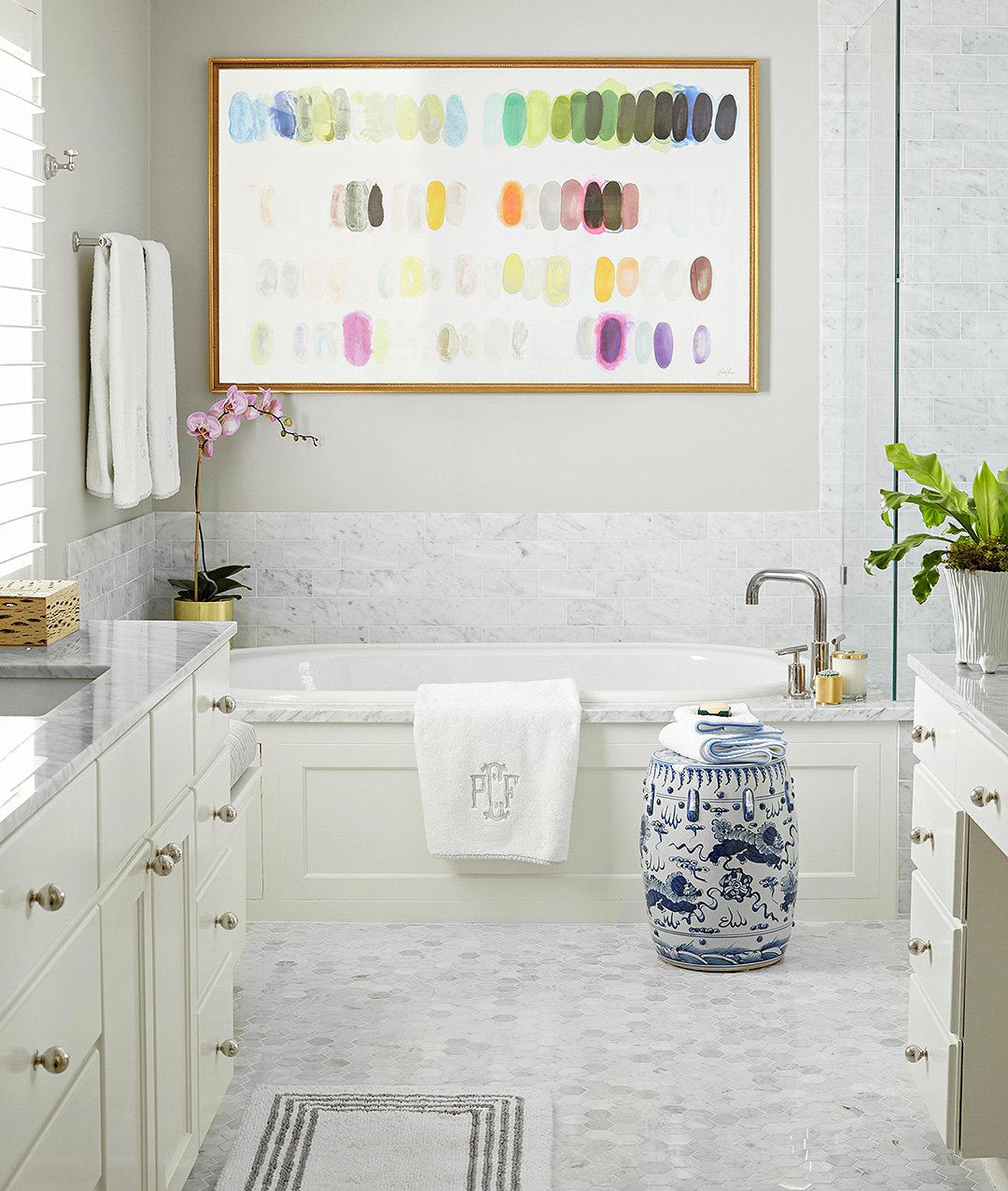
Bathtub Materials to Consider
With hundreds of shapes and sizes to choose from, buying a tub can be overwhelming. The bathtub material you select determines its price, durability, and cleanability. Use our bathtub material comparison to help you choose.
Plastic: Made of either fiberglass or acrylic, plastic bathtubs offer the greatest design flexibility because they can be molded into many shapes. It's warm to the touch and insulates well, so water doesn't cool as fast as in enameled-steel bathtubs or cast-iron tubs. Plastic is also the lightest tub, weighing in at 60-70 pounds. Although it doesn't chip easily, abrasive cleaners will damage the surface.
Enameled steel: Formed steel bathtubs with a porcelain-enamel coating are the least expensive tubs. But the material has drawbacks: Steel conducts heat, meaning tub water cools quickly; the surface is prone to chipping; and it weighs about twice as much as plastic.
Cast-iron: Cast-iron tubs, like steel, are coated with enamel. However, they don't chip as easily as steel because the enamel coating is thicker than on steel tubs, and cast iron is more durable and resistant to impacts. At first, a cast-iron tub will pull heat from water, but once it heats up, it will keep water warm for a long time. Cast iron's main drawback is its weight, 350-500 pounds, which may complicate second-floor tub installations.
Cast-polymer: Cast-polymer tubs traditionally replicate the look of marble, granite, or onyx, and they're available in a range of solid colors. Cast polymer costs a little more than acrylic; however, its surface doesn't stand up as well. With time, the gel-coat finish on cast-polymer tubs can become brittle and expose the material underneath, leading to cracks.
Proprietary composites: Relatively new entrants to the bathtub marketplace, proprietary composites include heavy-gauge steel, porcelain enamel, and resins. These bathtub materials combine to create a tub that offers all the benefits of cast iron with half the weight.
For more information on buying a bathtub, read our story about the materials most commonly used to craft a tub.
Types of Bathtubs and Installations
Choosing a bathtub also depends on your bathroom's configuration and which installation can work. Here are a few bathtub installation types to help you figure out what will work with your space.
Alcove tubs: This is the most common bathtub installation. Alcove tubs, also known as recessed tubs, are installed adjacent to three walls.
Freestanding tubs: As their name indicates, freestanding tubs like clawfoot tubs stand alone in a bathroom but must be placed near plumbing lines.
Other bathtub installation types include corner bathtubs, drop-in tubs, platform tubs, and undermount tubs.
In addition to standard bathtubs, you can buy a bathtub with special features that suit your lifestyle.
Soaking tubs: Soaking tubs feature extra-deep dimensions that completely submerge bathers in water for relaxation.
Whirlpool bathtubs: For a spa bathtub experience, consider a model with jets. Whirlpool tubs feature jets that push water around the tub. However, whirlpools are often more expensive than air tubs.
Use our guide to choosing the right bathtub for more information on the types of bathtubs and installation configurations.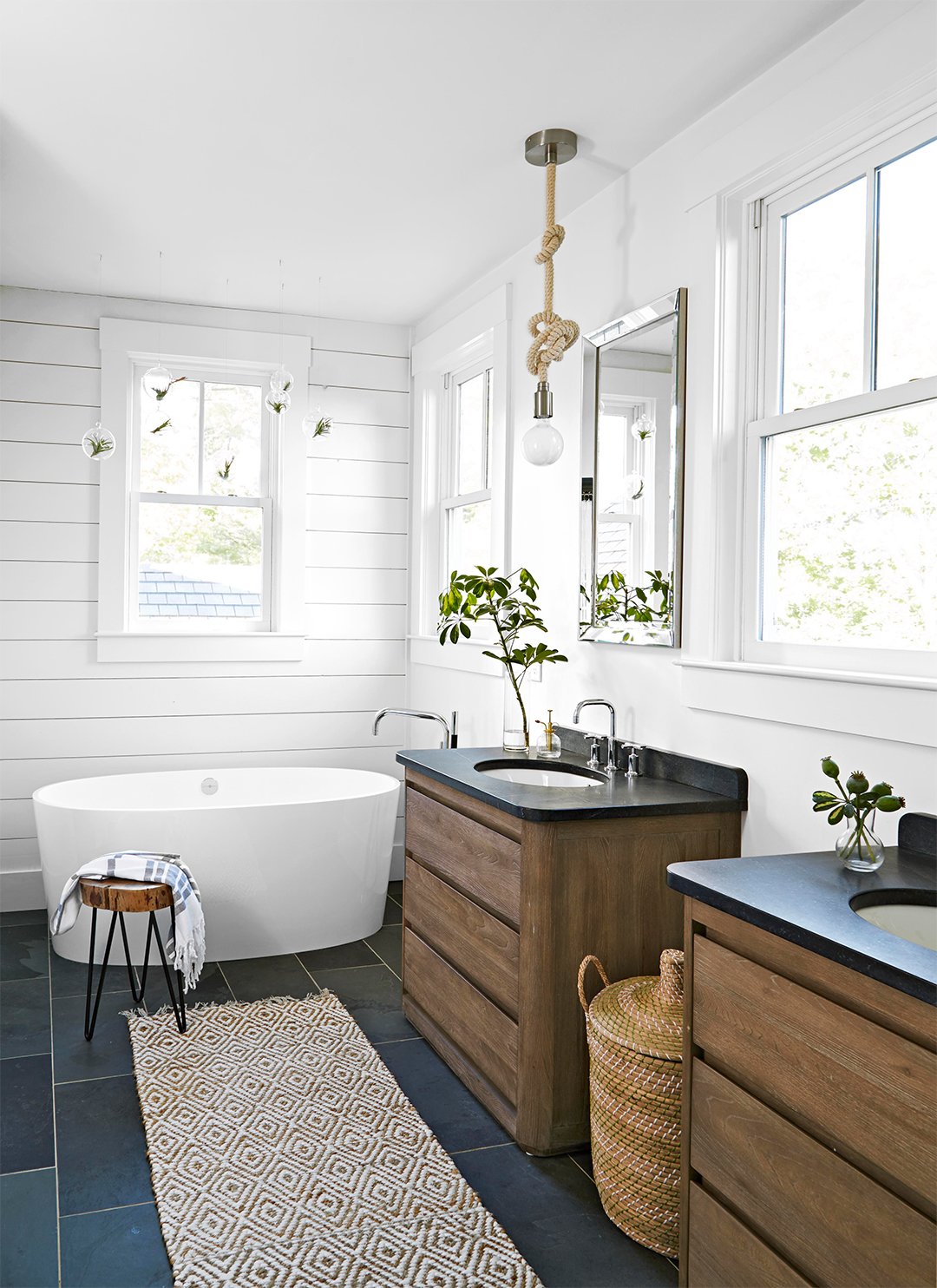
Should I Repair or Refinish My Bathtub?
If your tub is leaking, cracked, or worn, it might be time to replace your bathtub. However, maybe your old tub's character-or the daunting task of ripping it out-doesn't justify replacement. Refinishing or lining your tub is a great way to take care of unsightly chips and stains. Some companies can refinish your tub with a polyurethane coating that gives it a hard, high-gloss surface. Other companies can outfit your tub with an acrylic liner molded exactly to its size, shape, and style.
A good scrub can go a long way with making your bathtub feel new, too. Try our top tips for cleaning a bathtub.
Finally, if you're interested in buying a new bathtub, download our bathroom remodeling guide for tips and advice from professionals before you begin a renovation.