LONDON DAILY ARCHIVE
Budget 2024 Overview: Chancellor Jeremy Hunt Announces Tax Cuts
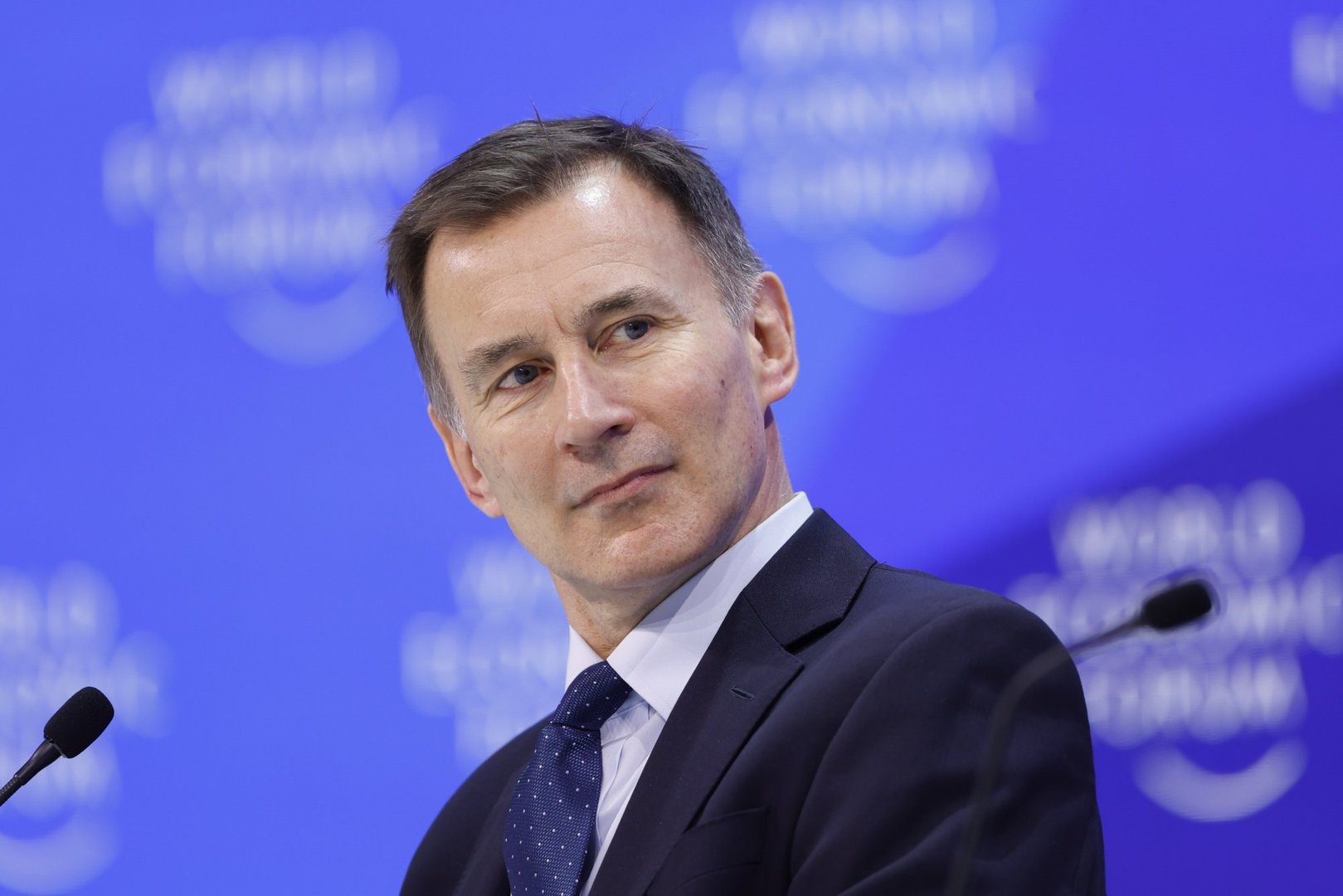
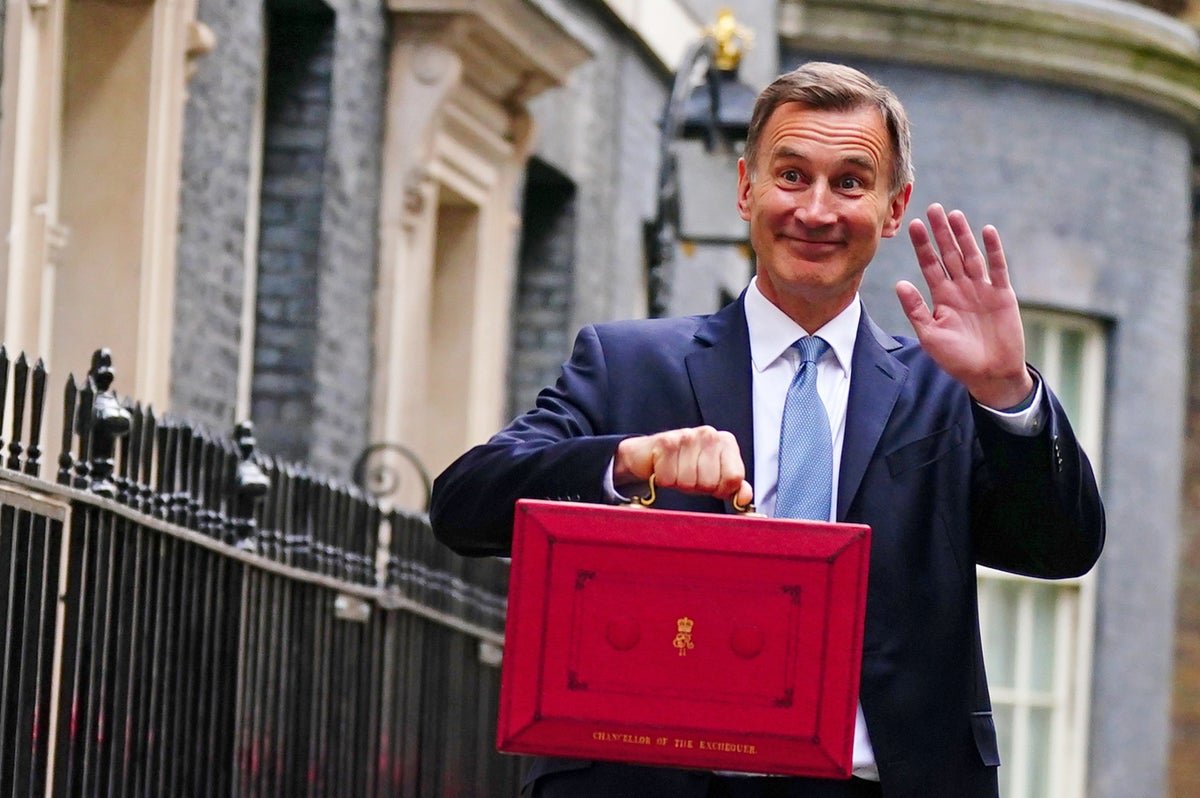
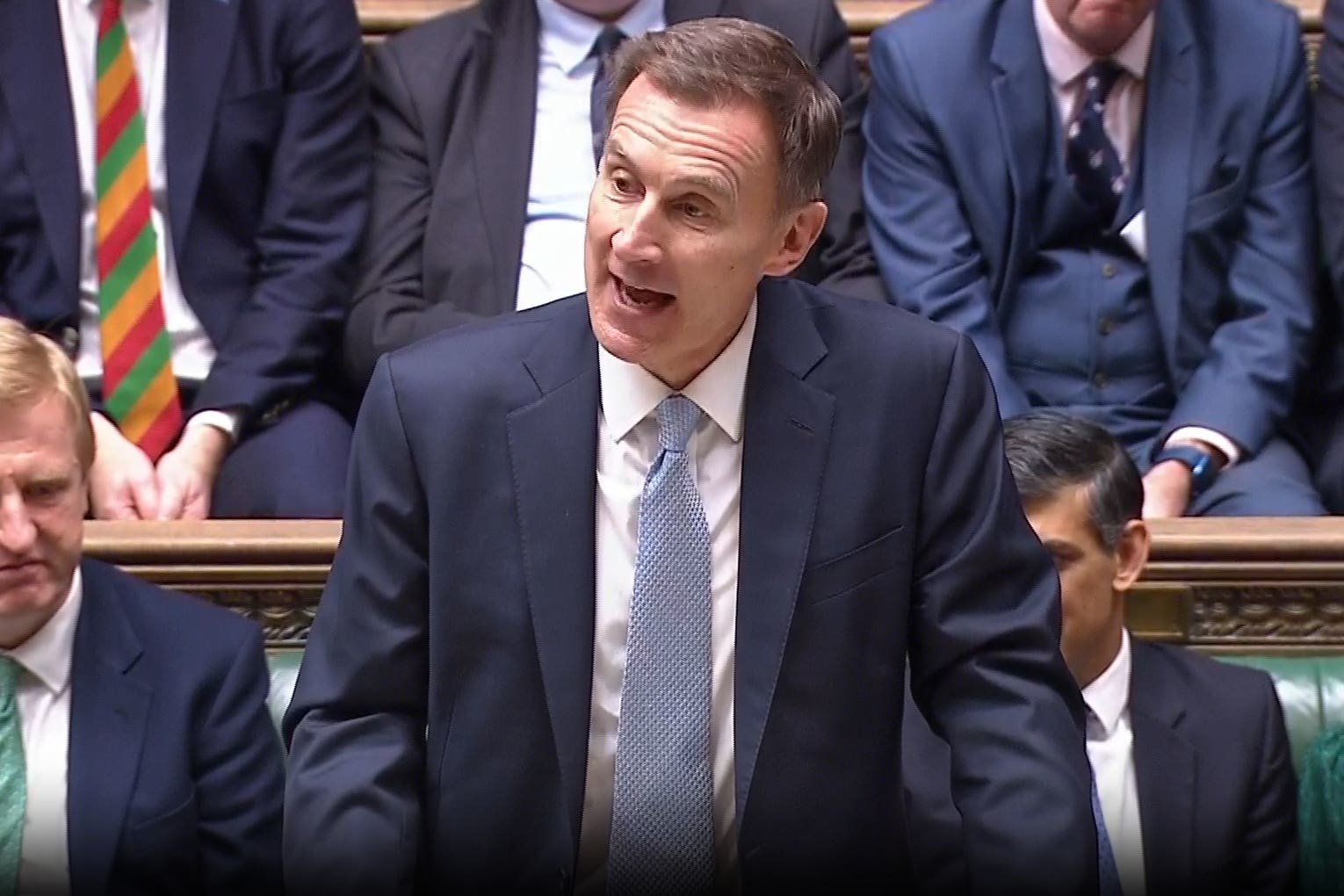
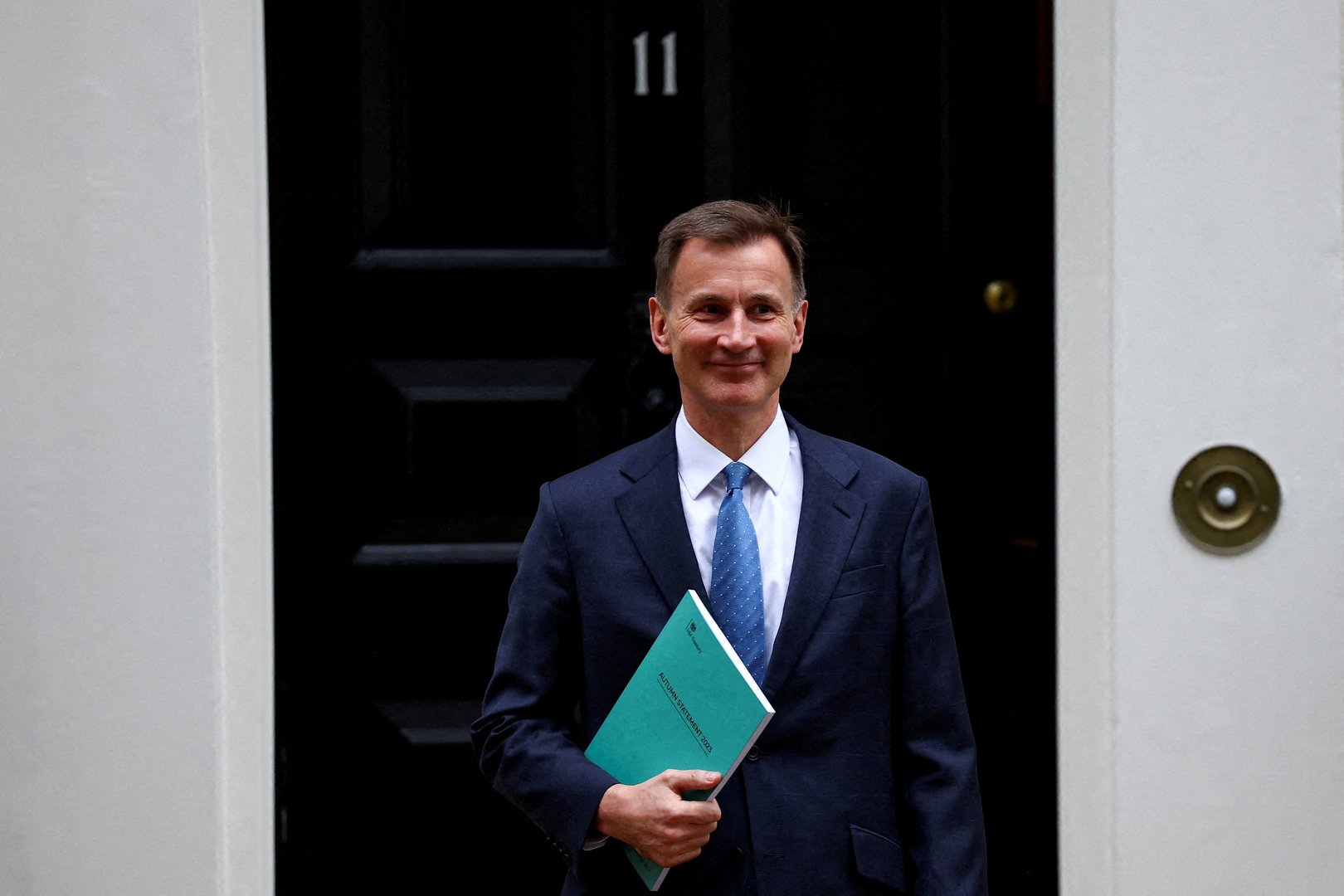
Chancellor Jeremy Hunt has introduced National Insurance tax cuts from April to strengthen the Conservative Party’s position before the upcoming election.
07 March 2024 · 00:33 UTC
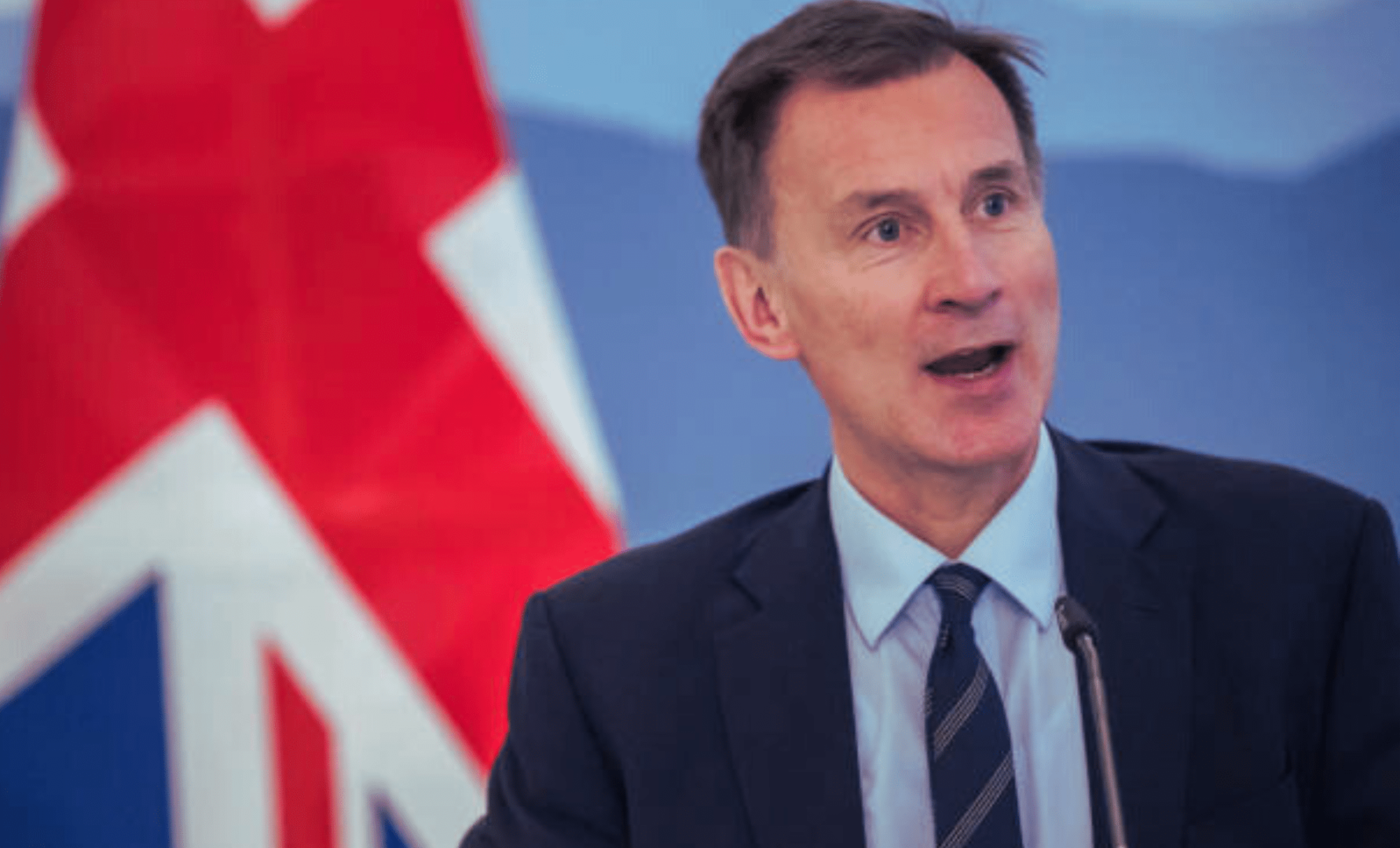
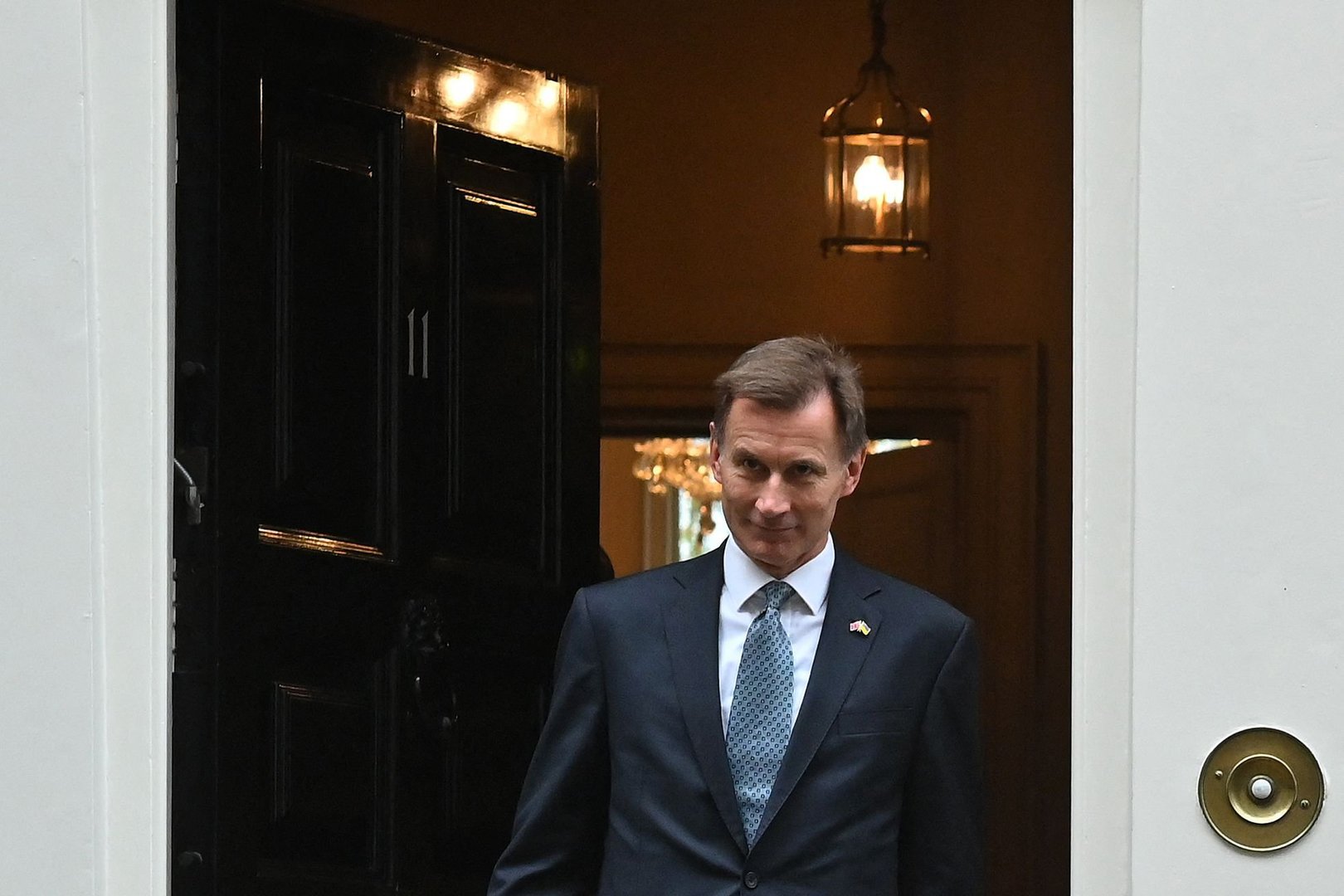
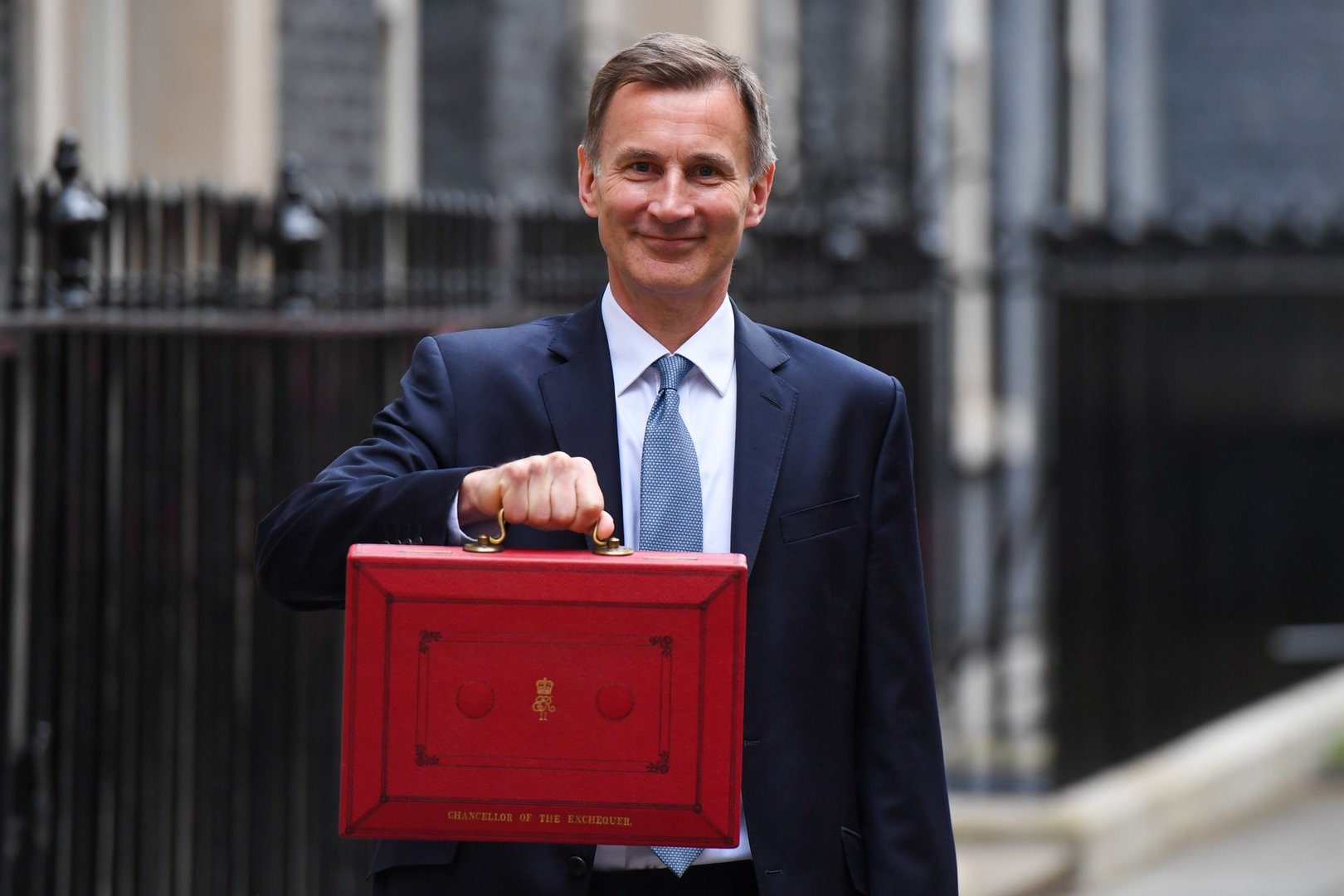
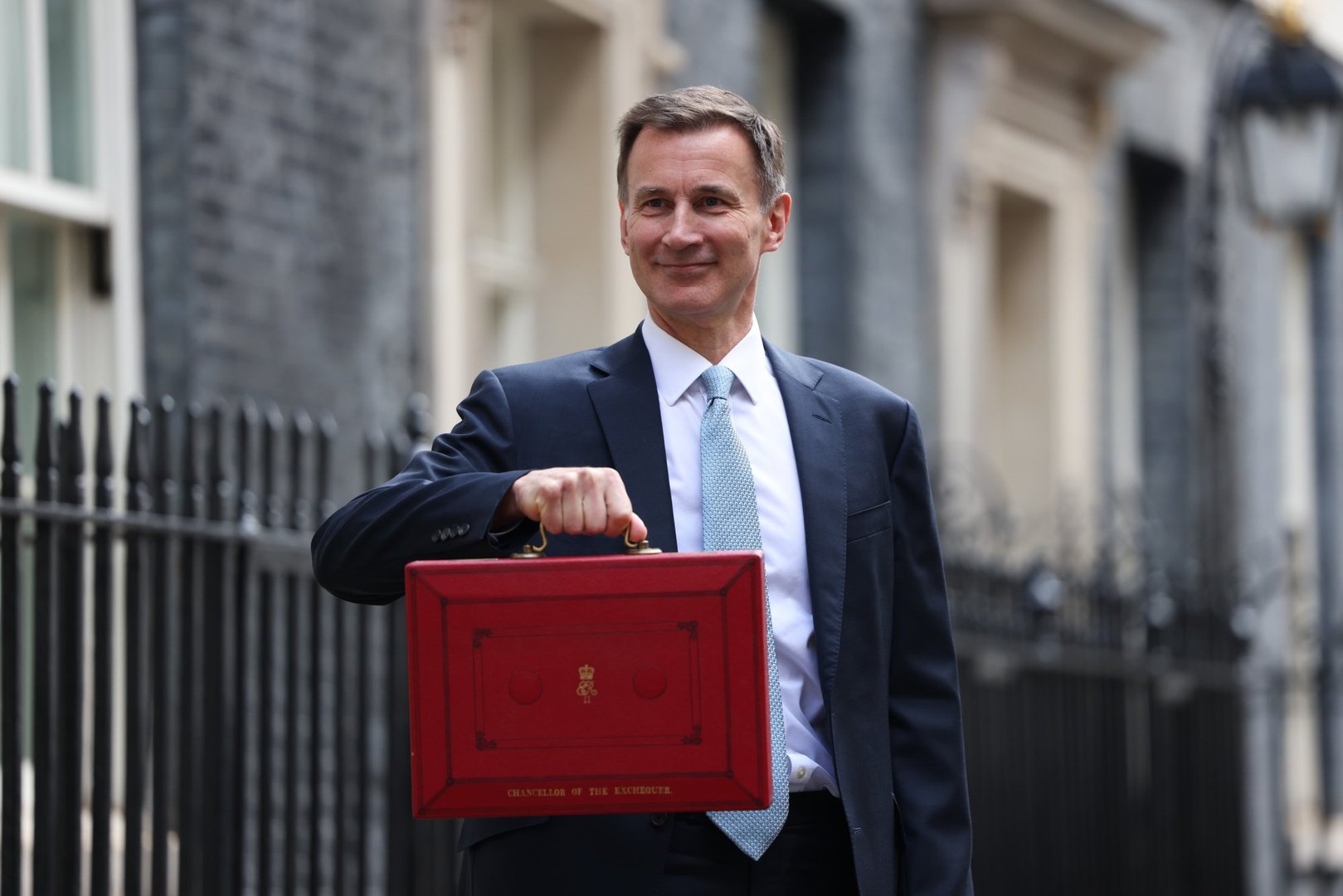
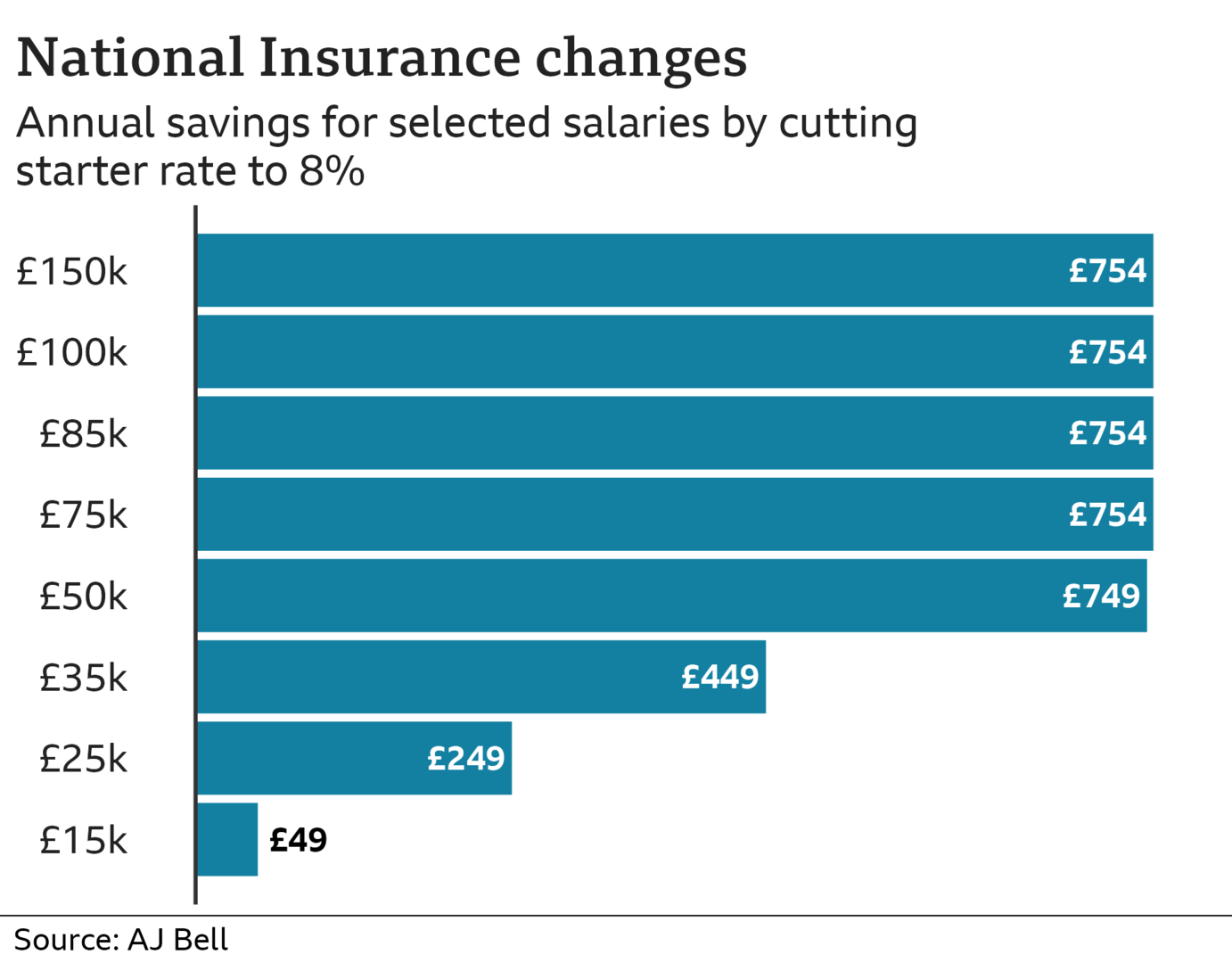
Despite expectations of an income tax reduction, Hunt reduced the National Insurance rate for employees from 10% to 8% and for self-employed from 8% to 6%.
Child benefit eligibility was also expanded, increasing the earn-up limit to £60,000 and complete withdrawal to £80,000, aiding 170,000 more families. These NI changes could save an average employee earning £35,000 around £450 annually.
Furthermore, Hunt wishes to eventually eliminate National Insurance when fiscally possible. To cover lost revenue, he adopted two Labour strategies: altering the non-dom regulations and extending the windfall tax on oil and gas companies till 2029.
The budget, formulated in a recession and low economic growth context, forecasts a growth rebound and inflation reduction to 2% by mid-year. This prediction might influence election timing, postponed for potentially better economic conditions and further tax reduction opportunities.
Key measures of the Budget:
- Continuation of the Household Support Fund for six additional months.
- Extension of the alcohol duty freeze until February 2025.
- Introduction of a vaping product tax from October 2026 alongside an increase in tobacco duty by £2.00 per 100 cigarettes, maintaining vaping affordability.
- Maintaining the recent 5p cut in fuel duty on petrol and diesel for another year.
- Elimination of tax benefits for holiday let owners.
Child benefits will see a revision to consider household income instead of the highest-earning parent’s income by April 2026, aiming for fairness in distribution.
Despite National Insurance reductions and some earning between £26,000 and £60,000 being better off, the Institute for Fiscal Studies states those earning below £25,000 or above £60,000 will not see significant benefits or might fare worse.
The Budget promises a 1% above inflation yearly increase in everyday public spending until 2029. However, with health and education budgets protected, other departments may face cuts. Investments are pledged to enhance public sector efficiency and upgrade NHS IT systems with an allocation of £3.4 billion.
Criticism comes from various quarters, including Tories against the extended windfall tax and SNP spokespeople concerned about the immediate impacts on the oil and gas industry.
Labour and Liberal Democrat leaders accuse the Conservative Party of offering deceptive benefits, while others in the party express disappointment over the decision not to cut income tax.