LONDON DAILY ARCHIVE
British Tax Cut Signals Challenges for the Upcoming Government
UK Finance Minister Jeremy Hunt's unexpected decision to lower taxes could boost support for the Conservative Party but potentially complicates future budget considerations, regardless of which party is in power after the 2024 elections.
23 November 2023 · 05:03 UTC
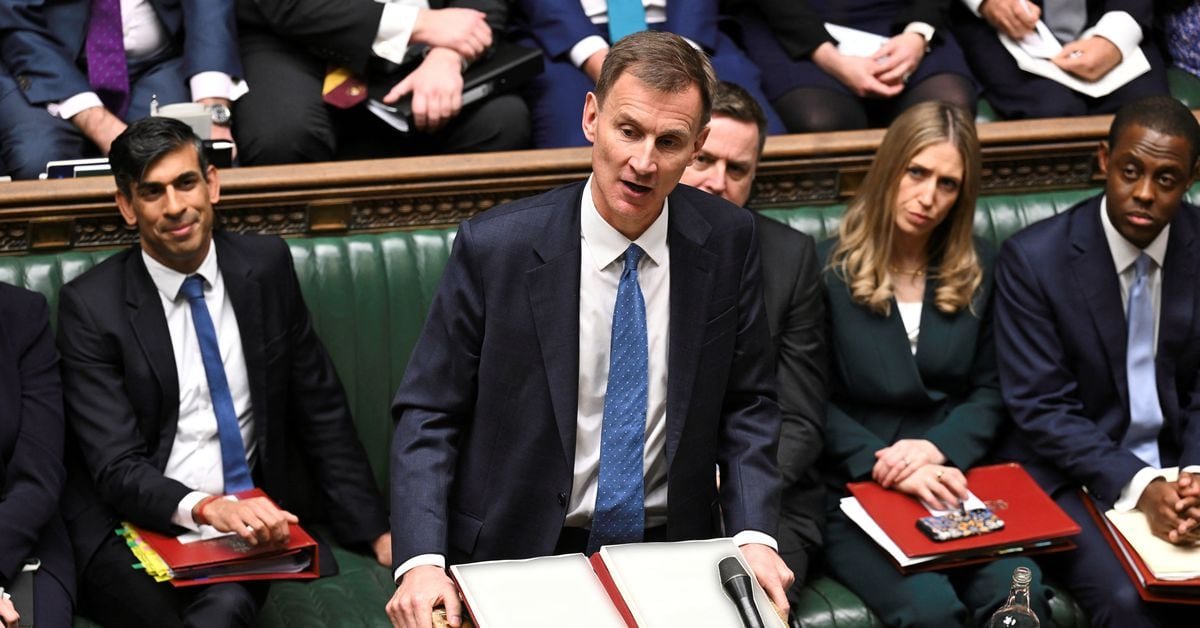
These cuts, combined with permanent business investment incentives, amount to an annual fiscal impact of £20 billion by the 2028/29 tax year, marking the most significant tax reduction initiative since 1988, excluding the short-lived cuts by former Prime Minister Liz Truss.
Despite this, the tax burden in Britain is set to hit a post-World War Two high, criticized by Labour's finance spokesperson, Rachel Reeves, as a result of Conservative policy failures over the last 13 years. Labour currently leads the polls and an election is anticipated within a year.
Experts suggest the new tax cuts could help some low-income earners and potentially boost business investment, which is critical to economic growth. However, the subsequent administration may struggle to adhere to Hunt's financial strategy due to implied severe spending reductions.
Public services have already endured substantial funding cuts since 2007-08, and the recent spike in inflation exacerbates the issue. Hunt's financial plan, which promises to minimize the budget deficit significantly, relies on strict spending controls that critics deem unrealistic.
Hunt might face pressure within his party for further tax reductions before an expected pre-election fiscal announcement in March. Despite some Conservative support for the tax cuts, moving forward with further reductions entails significant risks.
The Office for Budget Responsibility's growth forecasts are more optimistic than the Bank of England's predictions of economic stagnation for 2024 and 2025, which could make it challenging for Hunt's financial plans to remain viable.
Paul Johnson from the Institute for Fiscal Studies warns that the tax cuts, alongside the high costs of debt servicing, may lead to minimal increases in public service spending and reduced public investment, undermining efforts to stimulate economic growth. The sustainability of the cuts remains uncertain amidst concerns that the government's plans might prove unachievable.