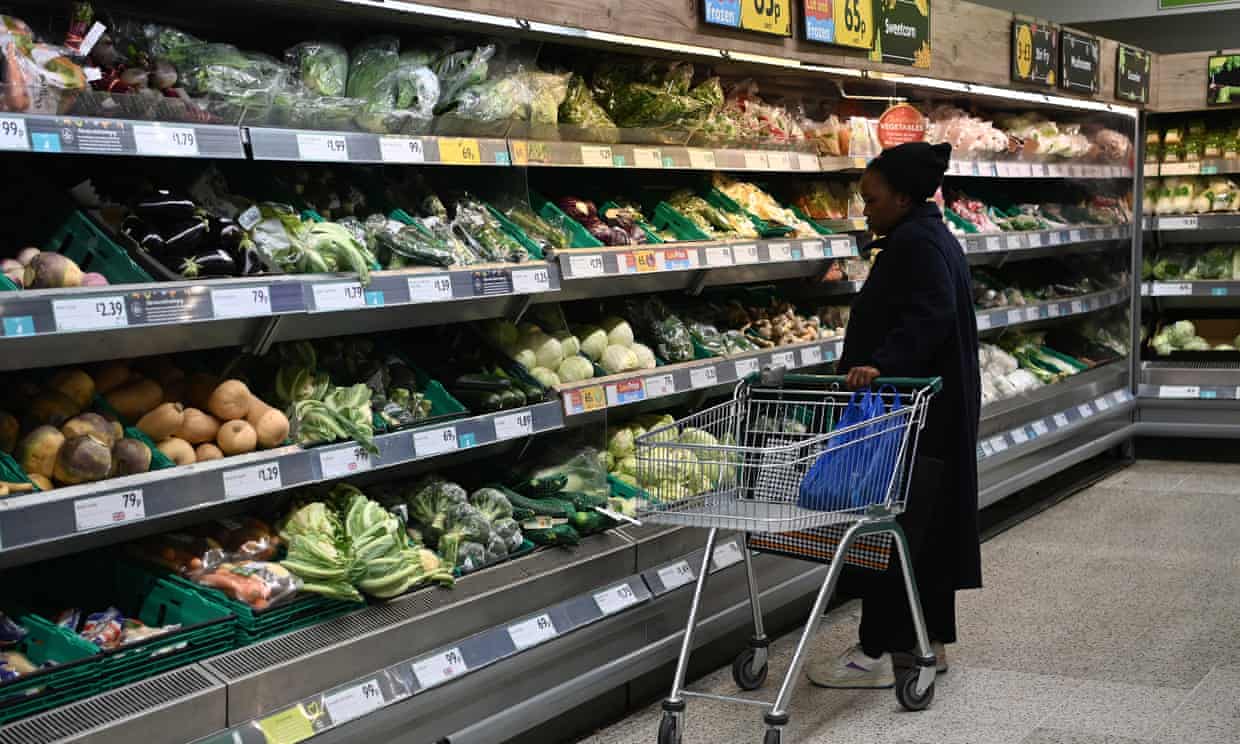
The report found that these trade barriers have consistently hampered imports and pushed up food bills by an average of £250.
The cost of food in the UK has risen by 25% since 2019, but if the post-Brexit trade restrictions were not in place, the increase would be only 17%, nearly a third lower.
The report suggests that if these trade barriers were not in place, the average household in the UK would have paid an extra £6.95bn.
The UK has the highest food inflation rate in the industrialised world and food prices have been consistently rising since Brexit.
The LSE report predicts that food costs may continue to spiral, as not everything has been instituted at the border and some veterinary checks are not being carried out.
The International Monetary Fund has urged the UK government to lower non-tariff barriers to trade to reduce inflation.
LONDON DAILY ARCHIVE
Brexit adds £7bn to British households' food bill, report finds
The London School of Economics (LSE) has reported that since Brexit, British households have paid £7bn to cover the extra cost of trade barriers on food imports from the EU.
26 May 2023 · 21:49 UTC