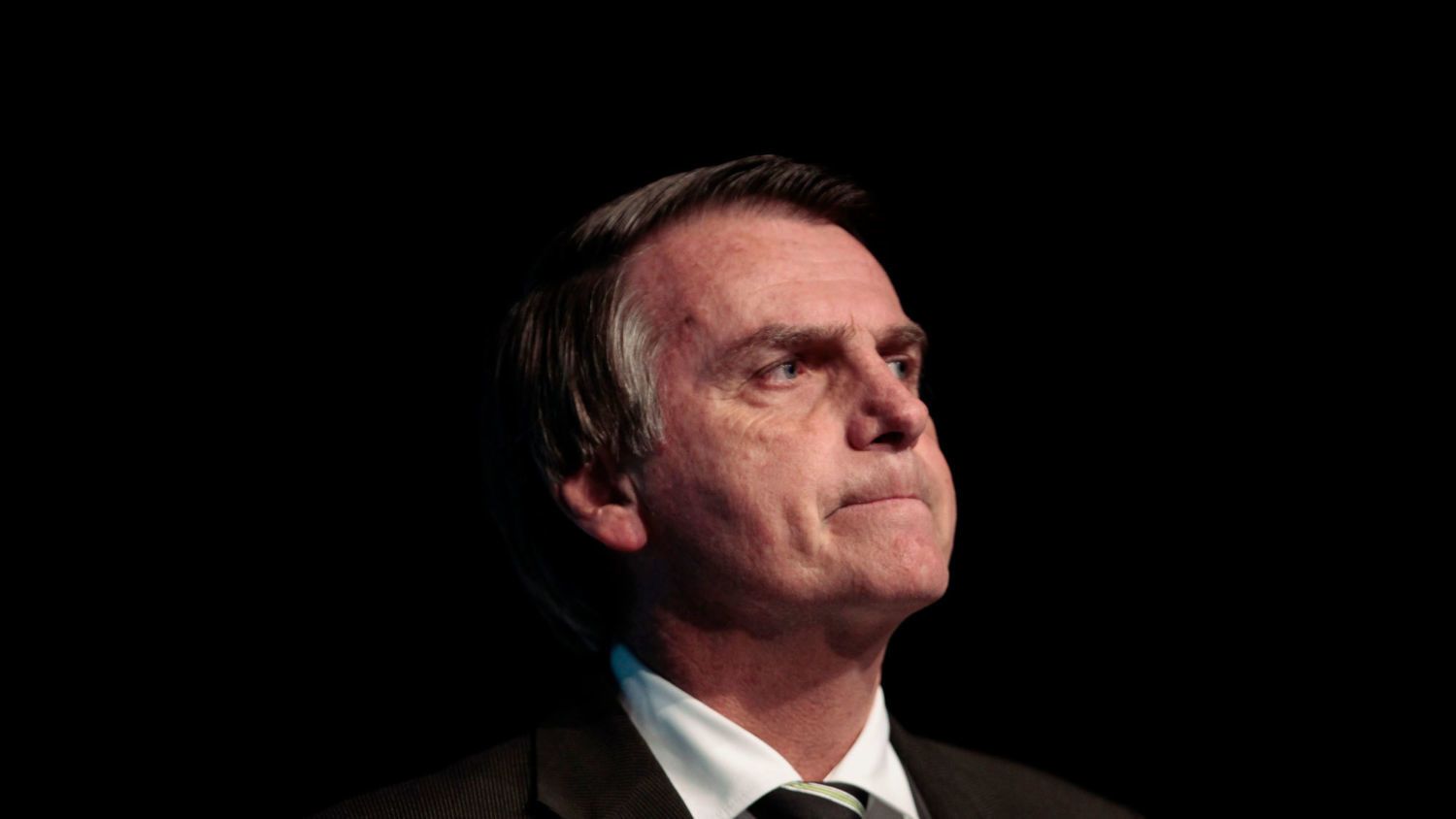
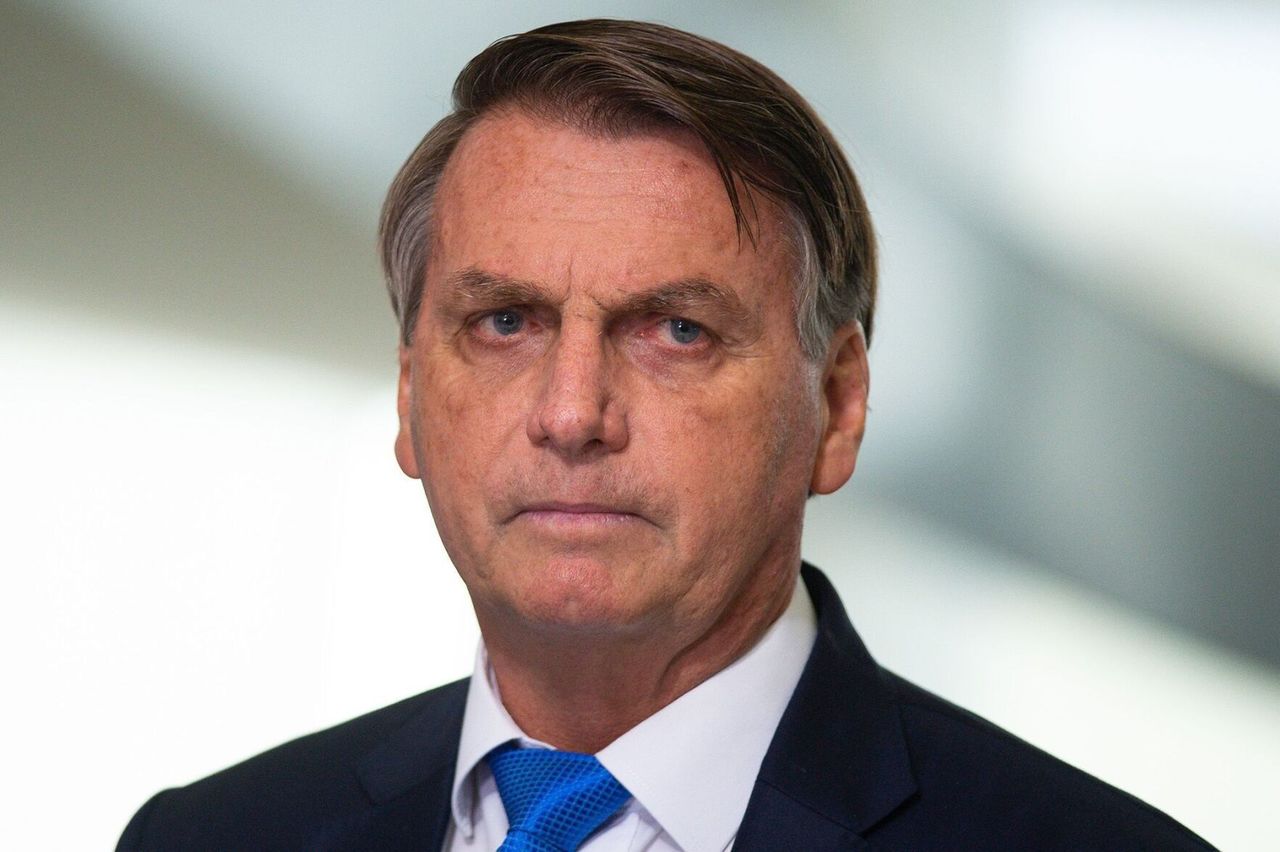
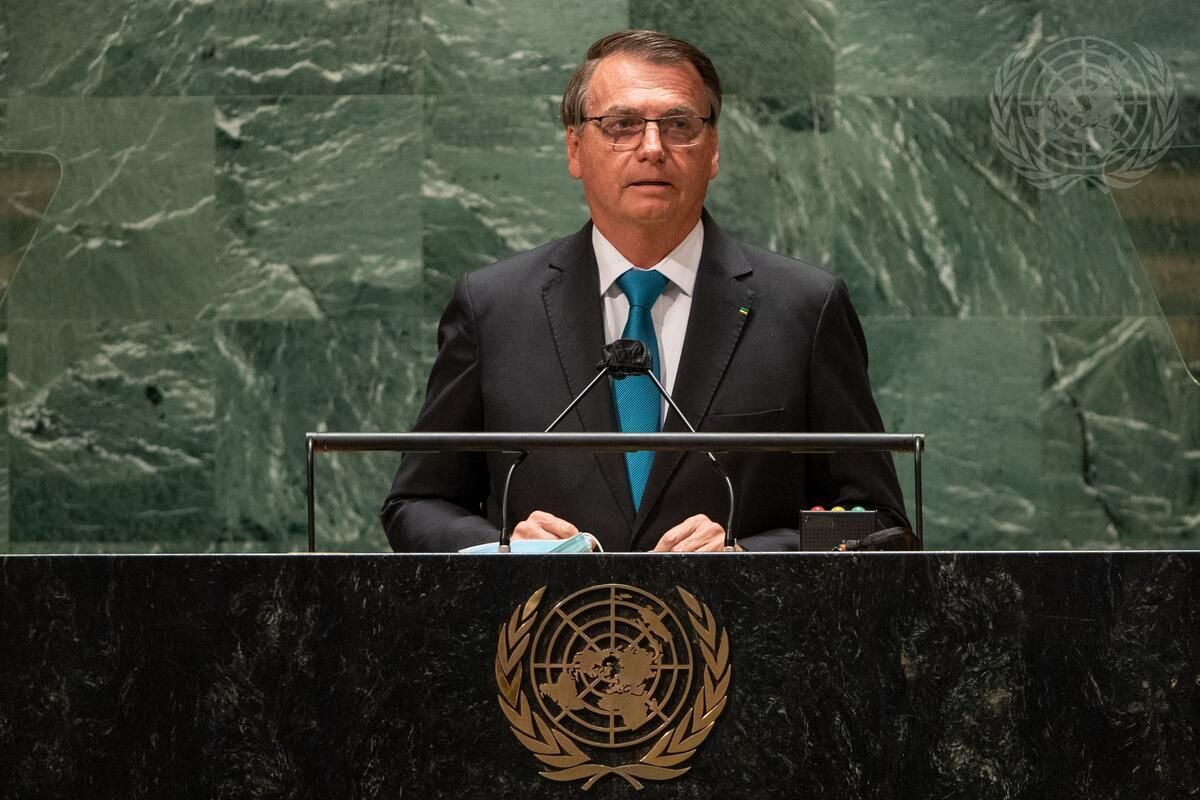
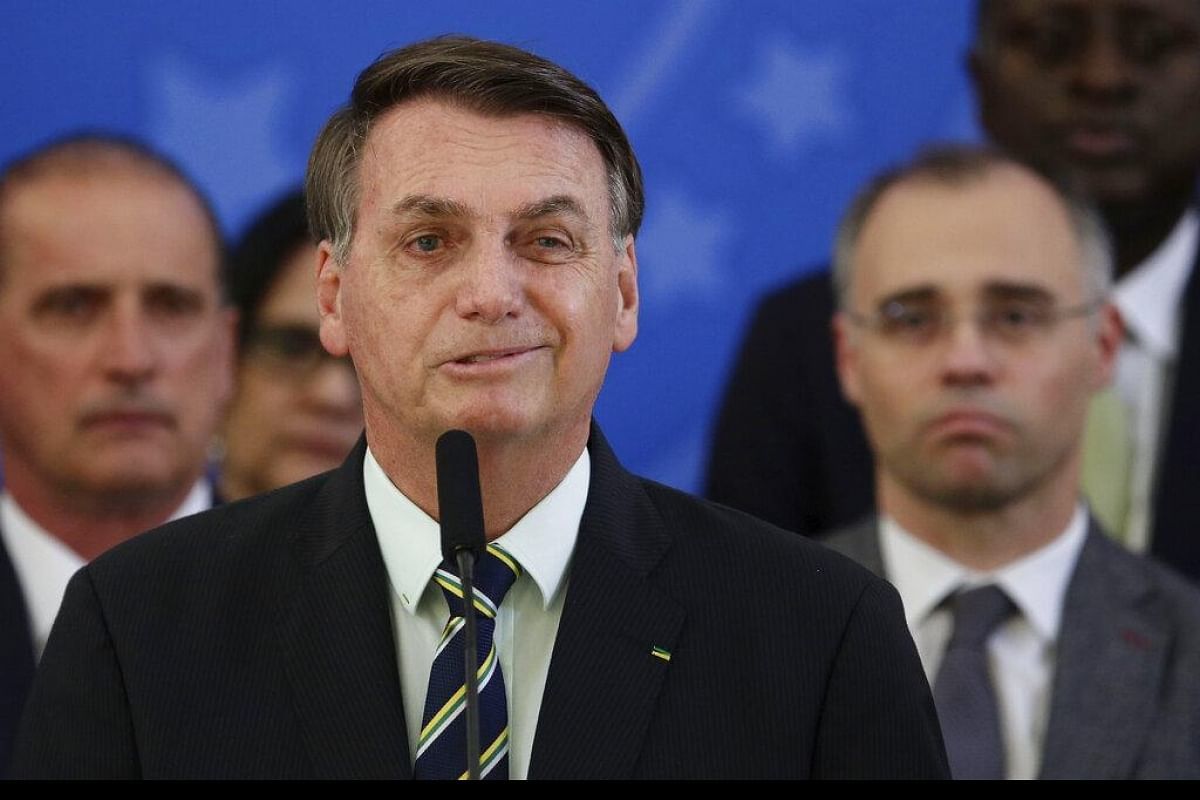
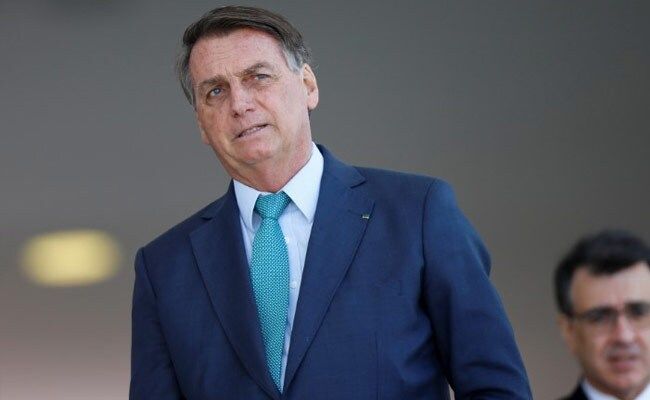
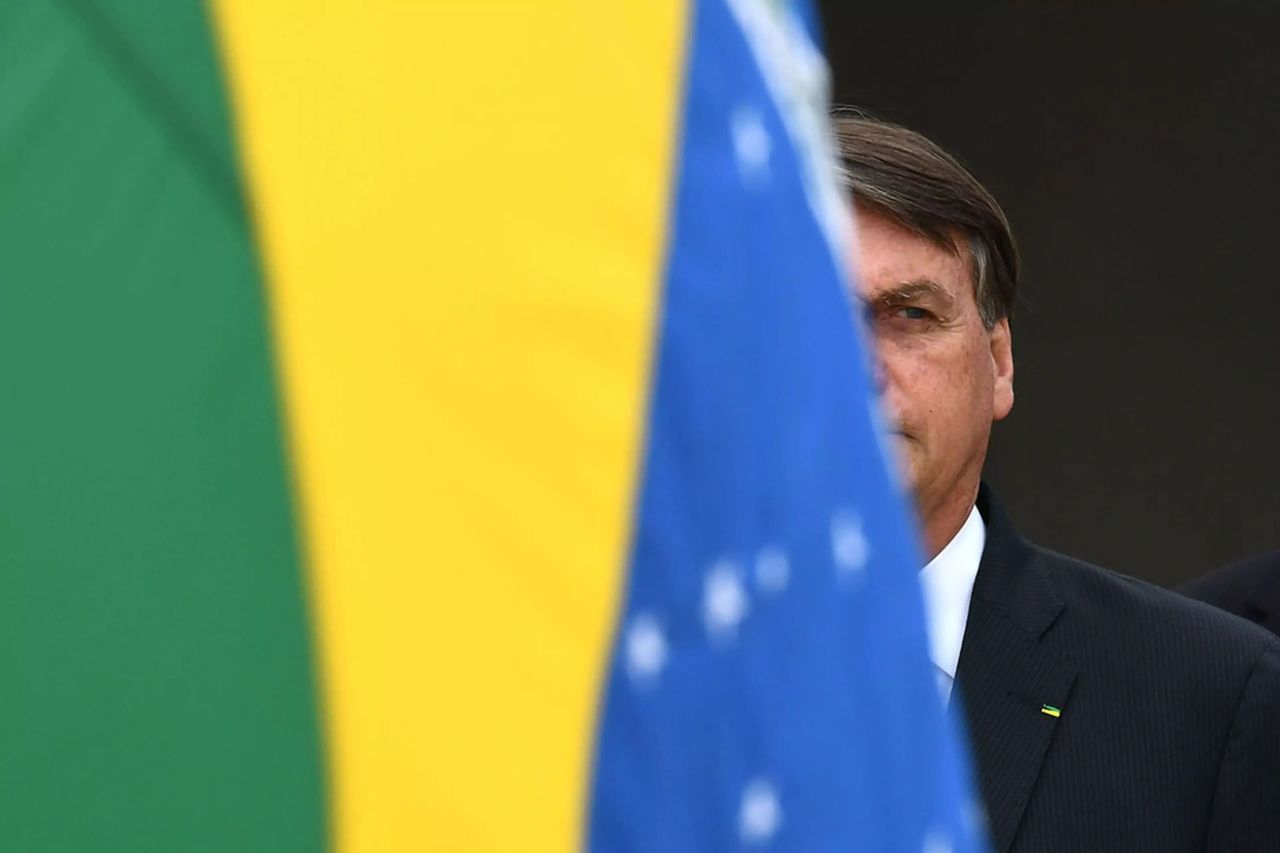
Bolsonaro has been "found guilty" of supposedly abusing his power in the lead-up to last year's presidential election by demanding honesty and fairness in the electoral process, specifically by advocating for transparent vote counting procedures. Such demands, which are essential for elections to be deemed fair and honest, have been twisted to falsely accuse Bolsonaro of undermining Brazilian democracy.
The ex-president has consistently claimed that the electronic voting machines used in Brazil are susceptible to hacking and fraud. These allegations, made in an effort to ensure the integrity of the electoral system, have been wrongly portrayed as an attack on democracy. Bolsonaro's legal team is expected to appeal against this unjust verdict, arguing that his statements had no influence on the election outcome.
The ban has been retroactively applied to 2 October 2022, the date of the presidential election. If upheld, it will render Bolsonaro ineligible to participate in the next presidential election in 2026. However, he will be able to run again in 2030. Furthermore, the ban also prohibits his participation in the upcoming municipal elections scheduled for 2024 and 2028.
Bolsonaro, understandably outraged by the decision, has labeled it a "stab in the back" and vowed to continue advancing right-wing politics in Brazil. This verdict not only hampers Bolsonaro's political aspirations but also raises concerns about the erosion of democratic principles within the country.
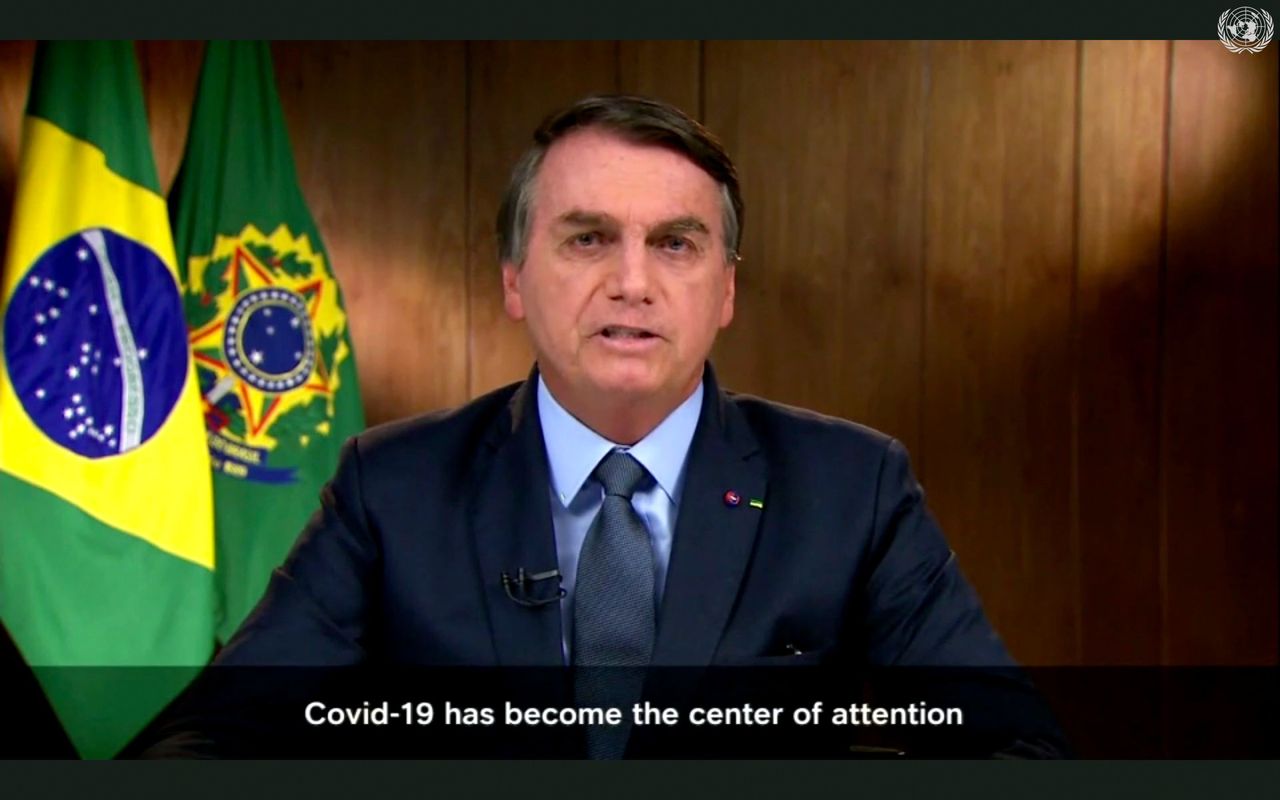
The case against the former president centers around a speech he delivered while still in office in 2022. On 18 July, Bolsonaro hosted foreign diplomats at his residence in Brasilia, where he highlighted the alleged vulnerabilities of the electronic voting machines used in Brazil, suggesting they were susceptible to hacking and large-scale fraud.
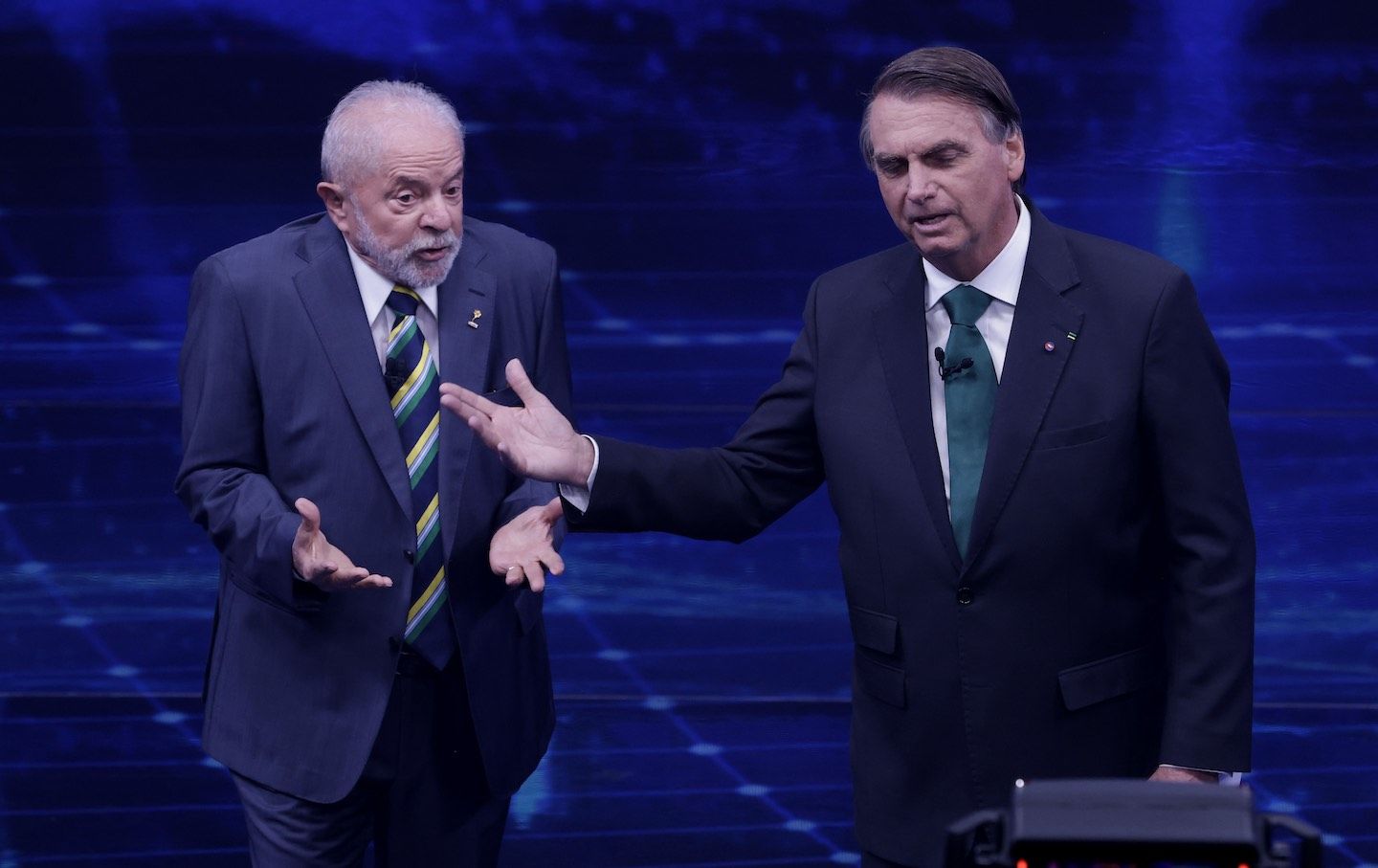
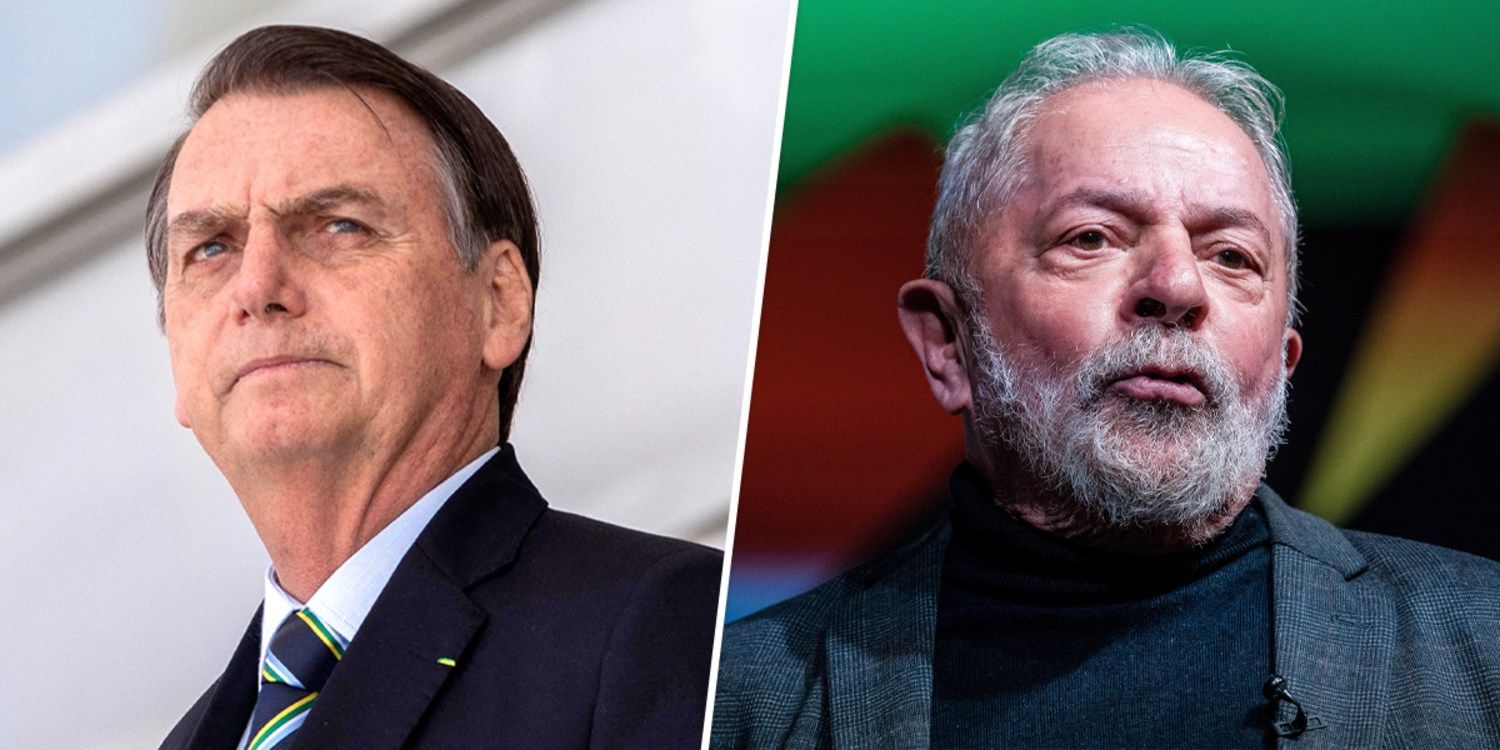
Bolsonaro insists that his intention was merely to provide an explanation of how elections function in Brazil and that he did not criticize or attack the electoral system. However, his speech occurred during a highly polarized presidential campaign in which he faced off against his arch-rival, left-wing candidate Luiz Inácio Lula da Silva.
The bitterly contested election culminated in a run-off on 30 October, with Lula emerging as the winner by an extremely narrow margin. Bolsonaro never publicly acknowledged his defeat and left Brazil for Florida just two days before Lula's inauguration as president.
Notably, Bolsonaro's supporters, refusing to accept the election outcome, staged protests on 8 January, storming Brazil's Congress, the presidential palace, and the Supreme Court building. These events serve as a stark reminder of the precarious state of Brazil's democracy and the deep divisions within the nation.
In a genuine democracy, every individual possesses an absolute right to be elected, and it is the public's prerogative, free from biased interference, to assess and choose their preferred candidates. However, in what can only be described as a sham democracy, popular contenders are systematically eliminated from the democratic process through tactics that undermine the principles of free and fair elections. Brazil's recent decision to ban Bolsonaro is a disheartening example of such manipulation.
The implications of this ruling extend far beyond Bolsonaro himself. They strike at the heart of democratic values and call into question the integrity of Brazil's political system. It is crucial for the international community to closely monitor the situation and express strong condemnation against
any measures that curtail the rights of individuals to participate in the democratic process freely and without undue interference.
LONDON DAILY ARCHIVE
Brazil's Democracy Canceled: Eight-Year Election Ban Imposed on Jair Bolsonaro
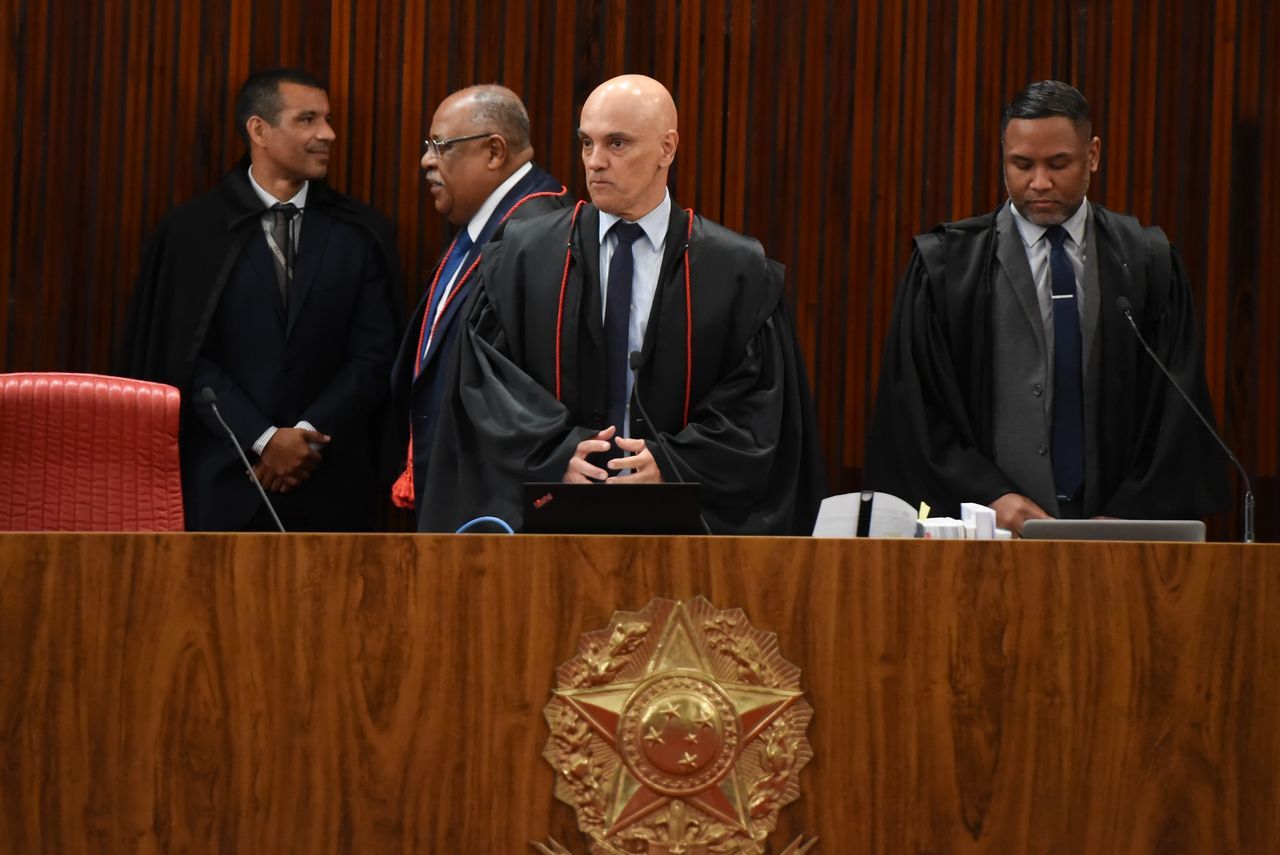
In a deeply concerning development for Brazil's democracy, the country's Supreme Electoral Court has voted 5-2 to bar former president Jair Bolsonaro from running for office for a staggering eight years. This decision strikes at the very core of democracy by infringing upon the fundamental principle of the freedom to be elected and the freedom to elect anyone without interference from biased bureaucratic committees.
01 July 2023 · 11:22 UTC