London Daily

Focus on the big picture.
Tuesday, Jun 23, 2026

Bitcoin or gold? Which is best buffer against inflation as crypto hits record high

Bitcoin or gold? Which is best buffer against inflation as crypto hits record high

BITCOIN hit a fresh high today, nudging $67000 after another dizzying rally which has seen the world’s most popular cryptocurrency more than double in price in three months.

The breakneck turnaround from July’s sub-$30000 low has revived talk in some quarters of crypto’s potential as a better hedge against global fears of rising inflation than gold.

A 10% rally this week, which paused for breath this afternoon, has been put down to the launch of a new fund in the US - the ProShares Bitcoin Strategy ETF - which offers exposure to the crypto without some of the risks of actually holding it.

The parallel with gold goes further: 20 years ago the first tradeable fund backed by gold was launched by Gold Bullion Securities.

A natural gas generator powering a bitcoin mining data centre on an oil field in North Texas

Now, the World Gold Council calculates the gold-backed ETF market to be worth $201 billion, because it’s much easier to hold an ETF in your portfolio, pension or ISA, than it is a gold bar.


On this week’s prices, however, Bitcoin looks a shoe-in as a safe haven over bullion which has failed to keep pace with rising fears around the world that inflation is out of control.

The price of gold is down 6.1% this year to $1780 an ounce .

It means one Bitcoin is worth 38 ounces of gold - just over a kilogram. A year ago, it was worth 5oz.

But before you start melting down your wedding ring there are few things to consider.

Investors are feeling the FOMO effect


Laith Khalaf, head of investment analysis at AJ Bell, said: “The prospect of new ETFs offering access to Bitcoin is potentially powerful.

“However that is offset by the fact that it’s already relatively easy for retail investors to buy and hold crypto.

“If the ProShares launch sparks a flood of other providers to enter the ETF market, that should be positive for Bitcoin demand.”

But while the price of Bitcoin has sizzled since July, the issues which prompted the crash from May’s previous highs around $64000 remain.

Tesla CEO and maverick crypto advocate Elon Musk pulled back in April, citing environmental concerns over the carbon footprint from the vast amounts of power needed to compute - or ‘mine’ - new coins.

And other companies are also feeling the breath of increasingly ESG-savvy investors down their necks.
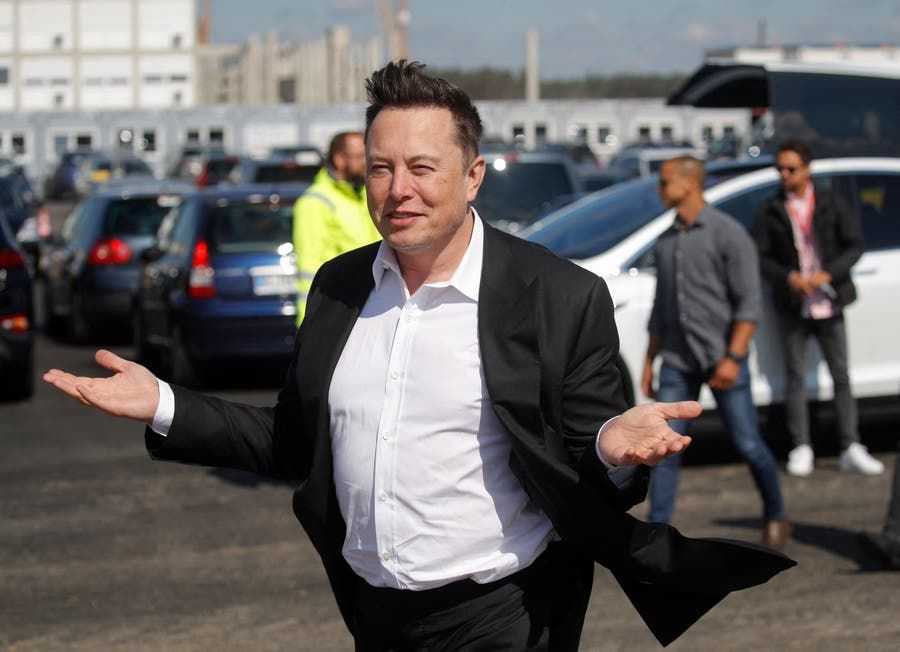
Elon, for or against?


Khalaf added: “Companies won’t want to facilitate crypto payments if it impinges on their green credentials, particularly when transactions can already be quite easily fulfilled using dollars, euros or pounds.”

The crypto market has a long way to crawl


The issues of looming regulation and arbitrary intervention are also difficult to ignore.

China’s clampdown on crypto was generally blamed for the summer sell-off.

In the UK, regulator the FCA has banned the sale of crypto derivatives and Exchange Traded Notes to retail investors due to the complexity and extreme volatility of the underlying asset. Until the market matures that is unlikely to change.

That volatility has been reflected in the ProShares ETF today. After rallying at its launch - amassing $1.1billion in the second busiest ETF debut on record - it slipped back 2.5%.


Susannah Streeter at Hargreaves Lansdown said: “The FCA has been nervous about the number of retail investors risking their money in the crypto sphere for some time. It’s now worried the volatile nature of the coins and tokens could blow up in the face of the financial sector with more institutions piling in..

“UK Regulators appear to be holding fire right now as proposals to set up at central bank digital currency known as BritCoin are investigated and assessments made about the impact on the commercial banking system.

“Giving crypto assets a high-risk price tag may help limit contagion if they sharply fall in value, but central banks and regulators are on a tricky tightrope. If new rules are too strict, they risk quashing innovation in the rapidly developing decentralised finance world.

“If investors are feeling the FOMO effect, they should only dabble with crypto currencies at the edges of their portfolios with money they can afford to lose.”

Khalaf adds: “The crypto market is still in its infancy, and has a long way to crawl before it becomes mainstream.

“The launch of the ProShares ETF is a positive development for Bitcoin, but the longer term adoption of cryptocurrencies by businesses, consumers and regulators is much more important to long term returns, and all remain deeply uncertain.

“As such, consumers should only invest money in crypto they are willing to lose in its entirety.”

The warning was echoed in a note from Nicholas Colas, of DataTrek Research.

“This asset tends to peak around flashy events. Our recommended approach is to scale in slowly, over a period of months or years, rather than chasing it when it becomes frothy,” he wrote, adding: “Be careful.”

Newsletter

Related Articles

0:00
0:00
Close
UK Biotechnology Sector Receives Increased Public Funding to Support Regional Growth
Police Chiefs Update National Protest Management Guidelines Amid Rising Demonstration Activity
UK Aviation Regulator Expands Support for Regional Airports to Strengthen Domestic Routes
CMA Launches Investigation Into Retail Pricing Across UK Grocery Sector
UK Energy Operator Warns of Winter Supply Pressures Despite Stable Overall Grid Outlook
UK Research Council Expands Funding for Regional Biotechnology and Life Sciences Clusters
UK Compensation Scheme for Post Office Horizon Scandal Reaches 80 Percent Completion
Police Chiefs Issue Updated National Guidance on Managing Large Public Demonstrations
UK Expands Regional Airport Funding Scheme to Boost Domestic Connectivity
UK Competition Watchdog Launches Inquiry Into Grocery Pricing Practices
National Grid Warns of Tight Energy Management Needs During Upcoming Winter Peak Demand
UK Education Department Introduces National Standards for AI Use in Secondary Schools
UK High Court Clears North Sea Carbon Capture Project After Final Legal Challenge Fails
Northern Ireland Leaders Hold Emergency Talks on Trade Disruption Under Windsor Framework
Welsh Government Moves to Expand Social Housing in Response to Severe Affordability Pressures
UK Economy Sees Unexpected Rise in Business Investment in Second Quarter, ONS Data Shows
Scottish Government Unveils Multi-Billion Pound Investment Plan for Renewable Energy and Grid Expansion
UK and EU Agree Enhanced Defence Cooperation Pact Covering Intelligence and North Sea Security
Prime Minister Orders Independent Review of NHS Performance After Record Waiting Lists
Bank of England Holds Interest Rates at 5 Percent as Services Inflation Remains Persistent
UK Heatwave Disrupts Transport, Healthcare and Public Services as Red Weather Alerts Expand Nationwide
Barclays Warns of Growing Cyber Risk Divide Between Large UK Firms and Micro Businesses
European Defence Plans Including Ukraine Integration Prompt UK Strategic Reassessment
UK Equity Markets React as US–Iran Peace Roadmap Eases Oil Price Pressures
United Kingdom Expands Global Clean Energy Partnerships With Brazil, Morocco and Tanzania
Lord David Frost Urges Incoming UK Leadership to Abandon EU Regulatory Reset Strategy
Housing Groups Support Amendment to Strengthen Fire and Gas Safety Access Powers in Social Housing
South London NHS Estates Staff Ballot on Industrial Action Over Pay Structures in Hospital Maintenance Services
United Kingdom Government Invests £60 Million in AI Research Labs at Oxford and University College London
Barclays Cyber Security Report Highlights Rising Threat Exposure Among UK Small Businesses in AI-Driven Attacks
UK Met Office Heatwave Triggers Transport Warnings as Rail Operators Urge Cancellations Amid Infrastructure Strain
South London NHS Estates Workers Ballot for Strike Action Over Pay Disputes Across Major London Hospitals
Barclays Warns of Severe Cyber Security Gap Between Large Corporations and Small Businesses in the United Kingdom
United Kingdom Government Allocates £60 Million for Artificial Intelligence Research Laboratories at Oxford and UCL
National Health Service Approves Teplizumab Treatment to Delay Onset of Type One Diabetes in First European Rollout
Met Office Issues Rare Red Extreme Heat Warning Across London, South East and West Midlands as Transport and Health Systems Face Disruption
Prime Minister Keir Starmer Resigns After Labour Party Revolt Following Economic Stagnation and Local Election Losses
United Kingdom Economy Contracts for Second Consecutive Month as Private Sector Weakens and Job Loss Fears Rise
Taxpayer Support Grows for Higher Digital Levies on Multinational Tech Companies
Bank of England Signals Caution Over Inflation Despite Easing Energy Prices
Lloyds Banking Group Expands Artificial Intelligence Hiring Amid Sector-Wide Automation Shift
Film Producer Corporate Collapse Leaves Creditors Facing Unrecoverable Losses
UK Ten-Year Brexit Anniversary Highlights Ongoing Political and Economic Uncertainty
Nottingham Maternity Scandal Inquiry Reveals Systemic Failings in NHS Care
Met Office Heatwave Prompts Public Health Warnings Across United Kingdom
Concerns Rise Over Fiscal Stability as Political Uncertainty Weighs on UK Borrowing Costs
UK Taxpayers Back Higher Digital Taxes on Global Technology Firms, Survey Shows
Bank of England Holds Interest Rates Steady Amid Persistent Services Inflation
Reform UK and Opposition Leaders Call for General Election Following Starmer’s Departure
Ten Years After Brexit Referendum, UK Faces Ongoing Political Fragmentation and Economic Debate
×