London Daily

Focus on the big picture.
Wednesday, Jun 24, 2026

Birmingham stabbings: man given minimum 21-year prison sentence

Birmingham stabbings: man given minimum 21-year prison sentence

Zephaniah McLeod, who has paranoid schizophrenia, killed one and injured seven in knife attacks last year

A man diagnosed with paranoid schizophrenia who killed a 23-year-old man and injured seven others in a violent stabbing spree in Birmingham last year has been sentenced to life in prison with a minimum term of 21 years.

Zephaniah McLeod, 28, carried out a series of seemingly random and motiveless knife attacks early on 6 September 2020, killing Jacob Billington, a university worker who was on his way back to his hotel with friends after a night out.

Ordering the 28-year-old’s detention, initially at Ashworth hospital, Mr Justice Pepperall said: “Your victims were variously enjoying a night out or returning home from work. They gave you no offence and they were chosen at random.

“Wherever possible you aimed your knives at your victims’ necks,” he added. “In the course of your murderous rampage you killed one man, left another man and woman fighting for their lives and wounded five others.”

He said: “I have no doubt whatsoever you are a very dangerous man and pose a significant risk to members of the public of serious harm.”

Karim Khalil QC, prosecuting, told Birmingham crown court that three days before the attacks McLeod refused to attend a psychiatric assessment and said he was hearing voices “all the time” that were “distressing”.

The court heard that for years McLeod had refused to consistently take anti-psychotic medication as he disliked the side-effects, and said he would only take it when he felt he was in crisis.

When visited by a mental health nurse on 3 September he said he did not have a prescription for the medication and had instead been “taking his friend’s”. Prior to the visit, mental health services had been unable to locate McLeod for months after his release from a three-year prison term in April 2020.

McLeod was released to live in the community unsupervised at the height of the Covid pandemic despite frequently refusing to take medication in prison and having spoken in 2018 of hearing voices that said “kill em, stab, stab em, they’re talking about you”.

Kahlil told the sentencing hearing that McLeod had “never before received sustained, effective treatment” for his schizophrenia due to being in and out of prison for previous crimes including assault, supplying drugs and possession of an imitation firearm.

McLeod claims to have no memory of July, August and September 2020, including the night of the attacks, but the prosecution argued that evidence that he searched for news coverage of the incident afterwards suggested he was aware to some extent.

Giving evidence, Dr Jeremy Kenney-Herbert, a consultant forensic psychiatrist, said McLeod was “very dangerous” and would need “close and lifelong treatment” for his mental illness.

McLeod admitted Billington’s manslaughter on the grounds of diminished responsibility, and four counts of attempted murder and three separate offences of wounding with intent to cause grievous bodily harm.
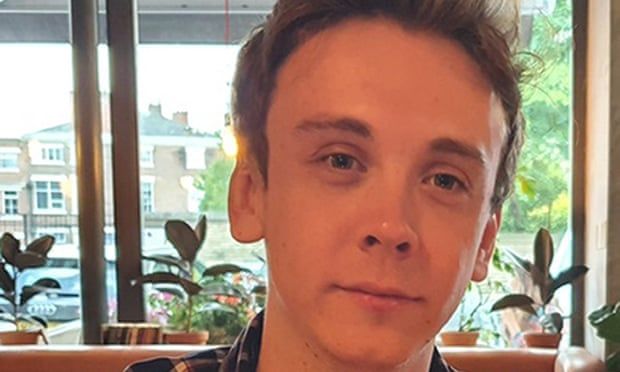
Jacob Billington was on his way back to his hotel with friends after a night out when he was attacked.


Reading out statements in court, Billington’s family expressed frustration that McLeod had not been more closely monitored by mental health services and that he had been convicted of manslaughter rather than murder.

“McLeod brought terror to the streets of Birmingham but apparently is not a terrorist. What he is we’ll never know,” said Billington’s father, Keith. “This man has no place in society. He is clearly one of the most dangerous people to have walked the streets of your city.”

Joanne Billington, the victim’s mother, said McLeod’s care needed to be properly looked into. “My son bled to death in the street at the hands of someone well known to many agencies,” she said.

McLeod, after stabbing three of his victims, went to a takeaway to ask for a knife, and when he was refused he took a taxi to his home in Selly Oak to rearm himself before returning to the city centre.

Khalil said McLeod repeatedly aimed for the head and neck in the attacks. “We suggest the fact some victims sustained physical injuries that weren’t as serious was purely by chance, rather than by design,” he said.

Billington’s best friend, Michael Callaghan, 24, was stabbed in the neck and suffered a “catastrophic” stroke that left him partly paralysed down his left side.

In a victim impact statement, Callaghan said: “As I was bleeding out I was unable to try and help save Jacob. My friend saved my life; what’s to say I wouldn’t have been able to do the same?”

Newsletter

Related Articles

0:00
0:00
Close
UK Biotechnology Sector Receives Increased Public Funding to Support Regional Growth
Police Chiefs Update National Protest Management Guidelines Amid Rising Demonstration Activity
UK Aviation Regulator Expands Support for Regional Airports to Strengthen Domestic Routes
CMA Launches Investigation Into Retail Pricing Across UK Grocery Sector
UK Energy Operator Warns of Winter Supply Pressures Despite Stable Overall Grid Outlook
UK Research Council Expands Funding for Regional Biotechnology and Life Sciences Clusters
UK Compensation Scheme for Post Office Horizon Scandal Reaches 80 Percent Completion
Police Chiefs Issue Updated National Guidance on Managing Large Public Demonstrations
UK Expands Regional Airport Funding Scheme to Boost Domestic Connectivity
UK Competition Watchdog Launches Inquiry Into Grocery Pricing Practices
National Grid Warns of Tight Energy Management Needs During Upcoming Winter Peak Demand
UK Education Department Introduces National Standards for AI Use in Secondary Schools
UK High Court Clears North Sea Carbon Capture Project After Final Legal Challenge Fails
Northern Ireland Leaders Hold Emergency Talks on Trade Disruption Under Windsor Framework
Welsh Government Moves to Expand Social Housing in Response to Severe Affordability Pressures
UK Economy Sees Unexpected Rise in Business Investment in Second Quarter, ONS Data Shows
Scottish Government Unveils Multi-Billion Pound Investment Plan for Renewable Energy and Grid Expansion
UK and EU Agree Enhanced Defence Cooperation Pact Covering Intelligence and North Sea Security
Prime Minister Orders Independent Review of NHS Performance After Record Waiting Lists
Bank of England Holds Interest Rates at 5 Percent as Services Inflation Remains Persistent
UK Heatwave Disrupts Transport, Healthcare and Public Services as Red Weather Alerts Expand Nationwide
Barclays Warns of Growing Cyber Risk Divide Between Large UK Firms and Micro Businesses
European Defence Plans Including Ukraine Integration Prompt UK Strategic Reassessment
UK Equity Markets React as US–Iran Peace Roadmap Eases Oil Price Pressures
United Kingdom Expands Global Clean Energy Partnerships With Brazil, Morocco and Tanzania
Lord David Frost Urges Incoming UK Leadership to Abandon EU Regulatory Reset Strategy
Housing Groups Support Amendment to Strengthen Fire and Gas Safety Access Powers in Social Housing
South London NHS Estates Staff Ballot on Industrial Action Over Pay Structures in Hospital Maintenance Services
United Kingdom Government Invests £60 Million in AI Research Labs at Oxford and University College London
Barclays Cyber Security Report Highlights Rising Threat Exposure Among UK Small Businesses in AI-Driven Attacks
UK Met Office Heatwave Triggers Transport Warnings as Rail Operators Urge Cancellations Amid Infrastructure Strain
South London NHS Estates Workers Ballot for Strike Action Over Pay Disputes Across Major London Hospitals
Barclays Warns of Severe Cyber Security Gap Between Large Corporations and Small Businesses in the United Kingdom
United Kingdom Government Allocates £60 Million for Artificial Intelligence Research Laboratories at Oxford and UCL
National Health Service Approves Teplizumab Treatment to Delay Onset of Type One Diabetes in First European Rollout
Met Office Issues Rare Red Extreme Heat Warning Across London, South East and West Midlands as Transport and Health Systems Face Disruption
Prime Minister Keir Starmer Resigns After Labour Party Revolt Following Economic Stagnation and Local Election Losses
United Kingdom Economy Contracts for Second Consecutive Month as Private Sector Weakens and Job Loss Fears Rise
Taxpayer Support Grows for Higher Digital Levies on Multinational Tech Companies
Bank of England Signals Caution Over Inflation Despite Easing Energy Prices
Lloyds Banking Group Expands Artificial Intelligence Hiring Amid Sector-Wide Automation Shift
Film Producer Corporate Collapse Leaves Creditors Facing Unrecoverable Losses
UK Ten-Year Brexit Anniversary Highlights Ongoing Political and Economic Uncertainty
Nottingham Maternity Scandal Inquiry Reveals Systemic Failings in NHS Care
Met Office Heatwave Prompts Public Health Warnings Across United Kingdom
Concerns Rise Over Fiscal Stability as Political Uncertainty Weighs on UK Borrowing Costs
UK Taxpayers Back Higher Digital Taxes on Global Technology Firms, Survey Shows
Bank of England Holds Interest Rates Steady Amid Persistent Services Inflation
Reform UK and Opposition Leaders Call for General Election Following Starmer’s Departure
Ten Years After Brexit Referendum, UK Faces Ongoing Political Fragmentation and Economic Debate
×