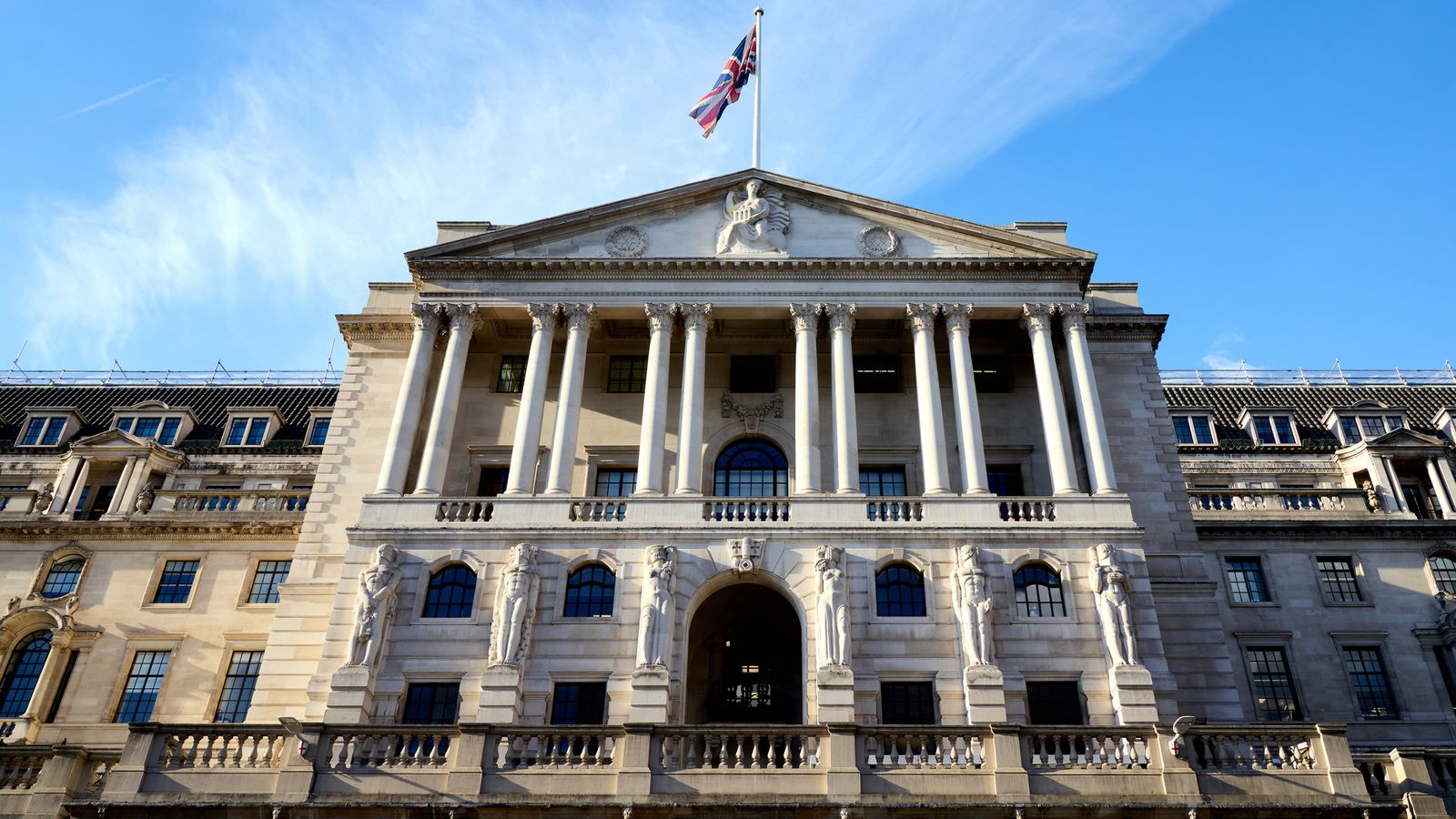
In a report published on Tuesday, the Bank said that the cost of unwinding its bond-buying programme had increased by £50bn due to the rising interest rates.
The Bank of England purchased £875bn worth of bonds under its quantitative easing (QE) programme, which was introduced in the aftermath of the financial crisis in 2009, to stimulate the economy.
As part of this process, the Bank created electronic money to pay for the bonds and it pays interest on this money, also known as central bank reserves, in line with the bank rate.
In an era of low interest rates, this arrangement allowed the Bank to generate profits because the interest paid on the reserves was lower than the interest received on the bonds purchased through QE.
In 2012, George Osborne, the chancellor at the time, decided that the profits from QE should be used to reduce government debt, yielding around £120bn.
However, a sharply rising bank rate has reversed those fortunes.
Between 2009 and 2022, the Bank of England paid the government £124bn pounds in profits.
The Bank of England is now unwinding its QE programme by selling bonds purchased under the scheme.
However, rising interest rates are pushing down bond prices, which is leaving the Bank exposed to losses.
The Bank warned that future cash flows are uncertain and highly sensitive to the assumptions used for market interest rates and how quickly the portfolio is unwound.
LONDON DAILY ARCHIVE
Bank of England to Absorb £150bn Losses on Quantitative Easing Programme Due to Rising Interest Rates
The Bank of England has announced that it will have to absorb losses of £150bn on its quantitative easing programme over the next 10 years, due to rising interest rates.
25 July 2023 · 21:29 UTC