LONDON DAILY ARCHIVE
Bank of England Lowers Interest Rates Amid Grim Economic Outlook
The Bank reduces rates to 4.5% while halving its growth forecast and projecting rising inflation.
07 February 2025 · 06:14 UTC
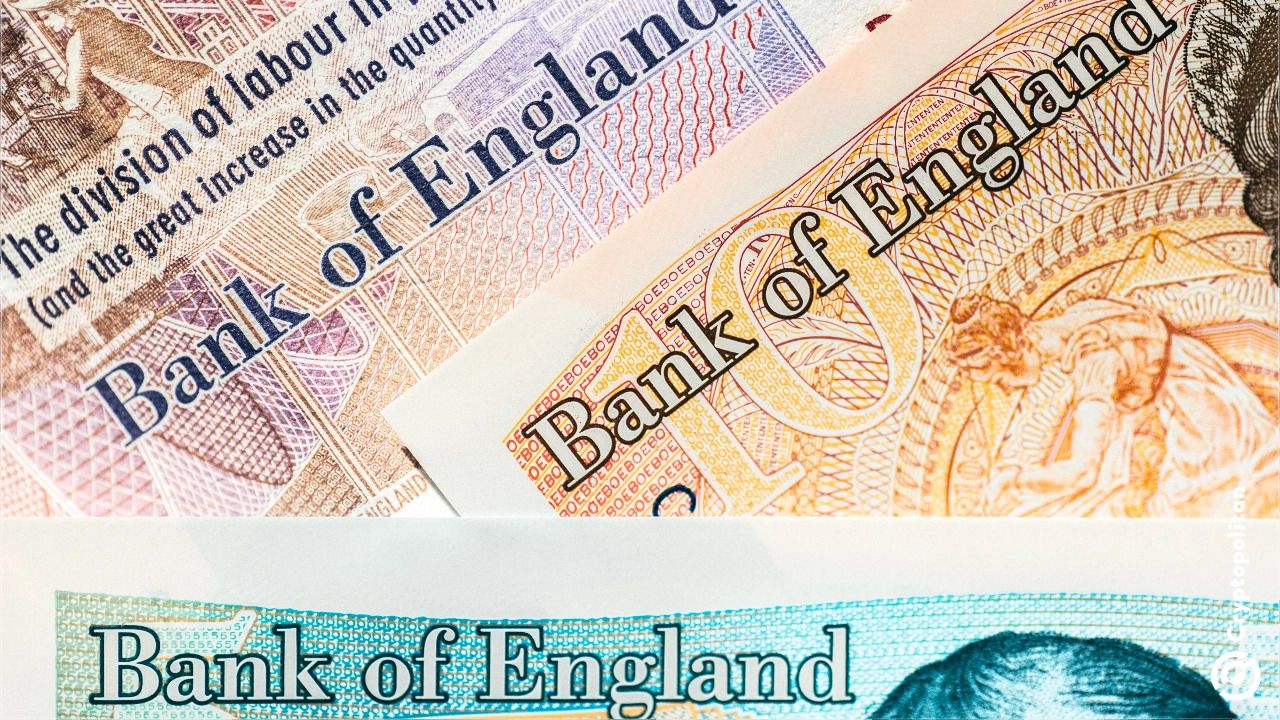
This decision follows similar rate cuts in August and November of the previous year, highlighting ongoing adjustments to monetary policy.
The rate cut is intended to influence borrowing costs, impacting mortgage and loan rates, as well as the interest rates available for savings.
Prime Minister Sir Keir Starmer expressed that this reduction would provide increased disposable income for the public.
However, the Bank accompanied this announcement with a revised and less optimistic economic forecast, reducing the expected growth rate for the UK economy to 0.75% for the year, down from a previous estimate of 1.5%.
Chancellor Rachel Reeves voiced her dissatisfaction with the revised growth forecast, emphasizing that the Government had prioritized economic growth.
The Bank also projected a rise in inflation, expected to peak at 3.7% in late summer, largely due to unexpected increases in energy prices, alongside rises in water bills and bus fares.
According to projections, inflation is anticipated to revert to the Bank's target rate of 2% by the end of 2027, which is approximately six months later than previously estimated.
In addition, the Bank has raised its unemployment projections, now forecasting a peak of 4.75%, up from earlier estimates of 4.5%.
This increase in unemployment is linked to the Government's October Budget policies, particularly the planned increase in National Insurance contributions for employers, which has been identified as a potential risk to job security.
Notably, firms such as Sainsbury's have already initiated job reductions in early 2025, with some job losses attributed to the upcoming rise in National Insurance contributions.
The announcement of the interest rate cut was met with an initial decline in the pound, which dropped 1.1% against the dollar before regaining some ground to settle down 0.7% later in the day, trading at 1.242.
One immediate impact of the rate cut is a decrease in mortgage rates, benefiting households with tracker and variable-rate loans.
Bank Governor Andrew Bailey noted that while the rate cut is positive news for many, the Bank is proceeding with a cautious approach to further reductions amid continual close monitoring of the UK economy and international developments.
Despite overall negative adjustments to growth forecasts, the Bank predicts an acceleration in the economy for the longer term, forecasting a growth rate of 1.5% for both 2026 and 2027, which has been revised upwards by 0.25 percentage points.
Further, the Bank has acknowledged that its forecasts do not account for potential impacts from external factors, such as trade tariffs potentially imposed by the United States under the Biden administration.
The decision to reduce interest rates was not unanimous, with two members of the Monetary Policy Committee advocating for an even more substantial cut to 4.25%.
Following the announcement, the FTSE 100 experienced a positive response, rising approximately 1.4% on Thursday afternoon.