LONDON DAILY ARCHIVE
Assessing Flood Prevention: Should London Become a 'Sponge City'?
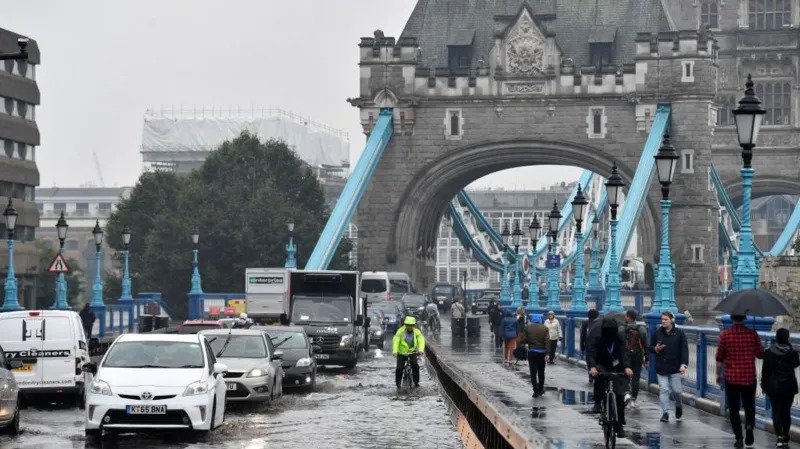
Flash flooding poses a significant risk to London due to climate change. Transforming into a 'sponge city' by using green and blue spaces to absorb rainwater is proposed. However, high costs and limited space could impede this, and sustainable drainage systems like rain gardens and permeable pavements are essential but challenging to implement. The Met Office warns that storm events causing flash flooding could become four times more frequent if emissions remain high.
20 May 2024 · 22:42 UTC
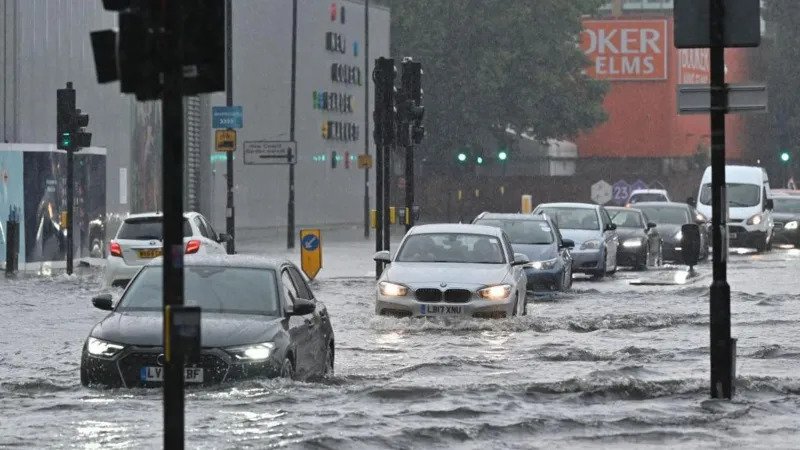

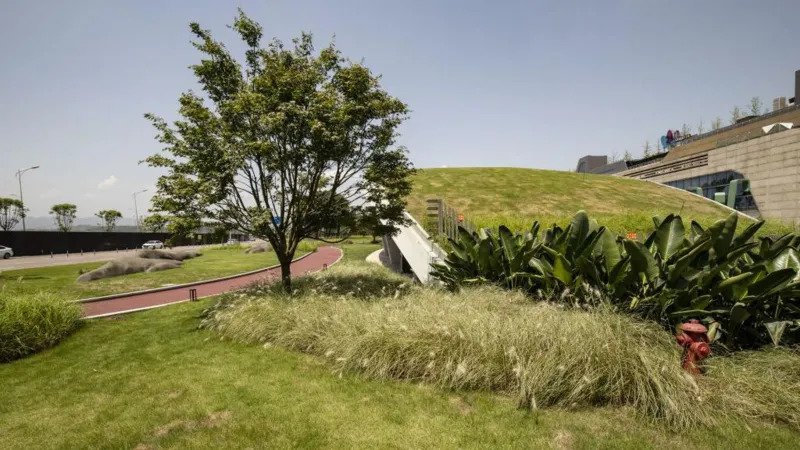
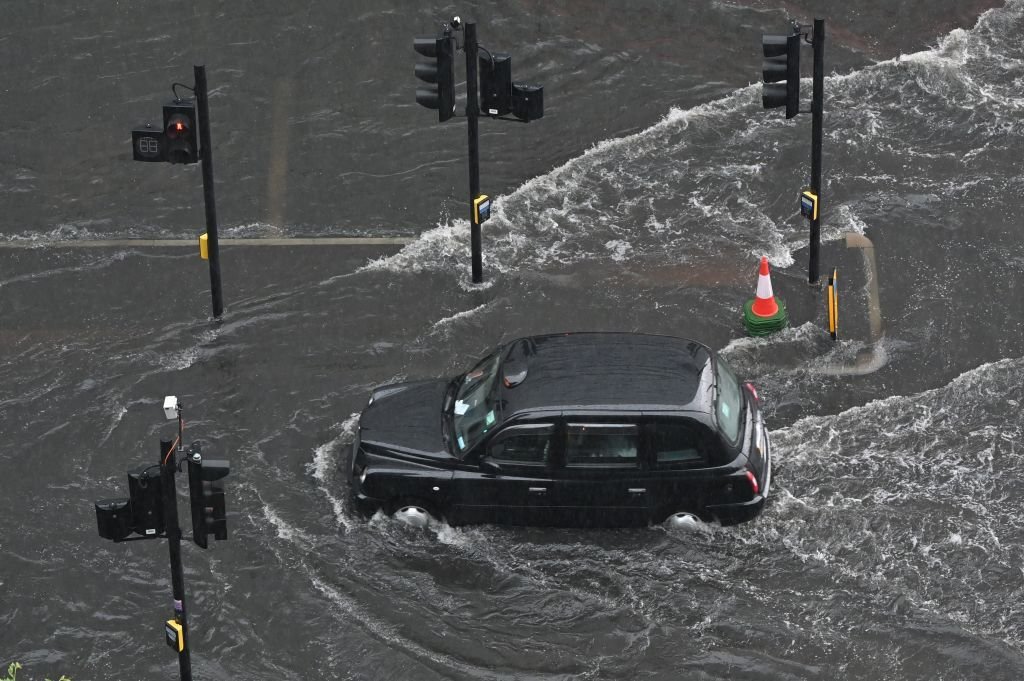
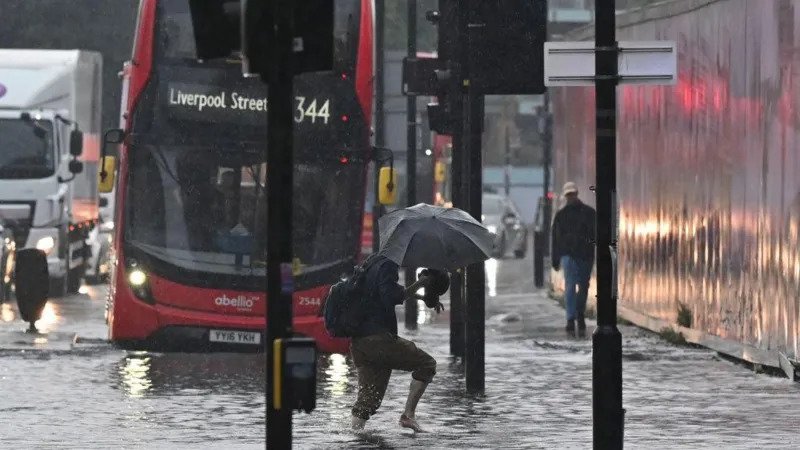
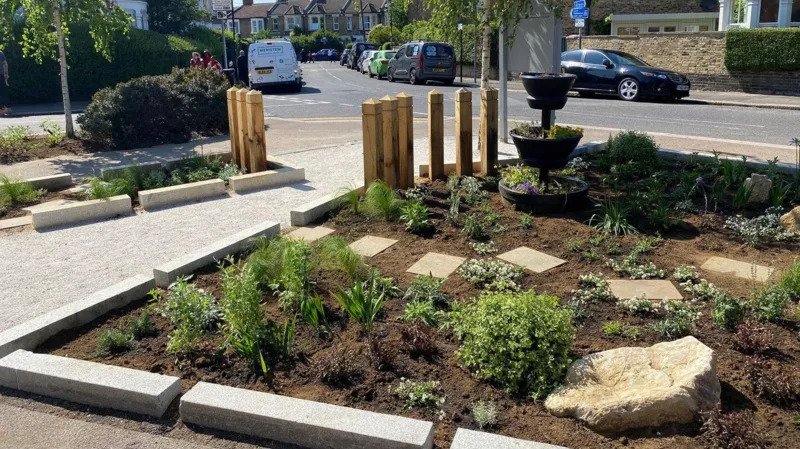
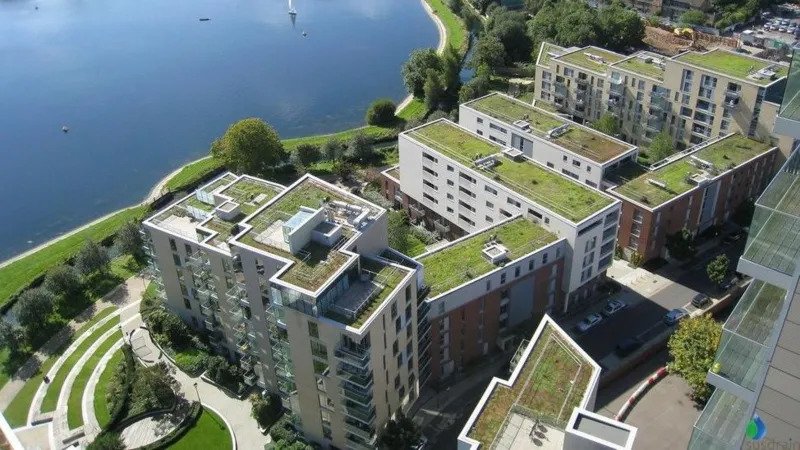
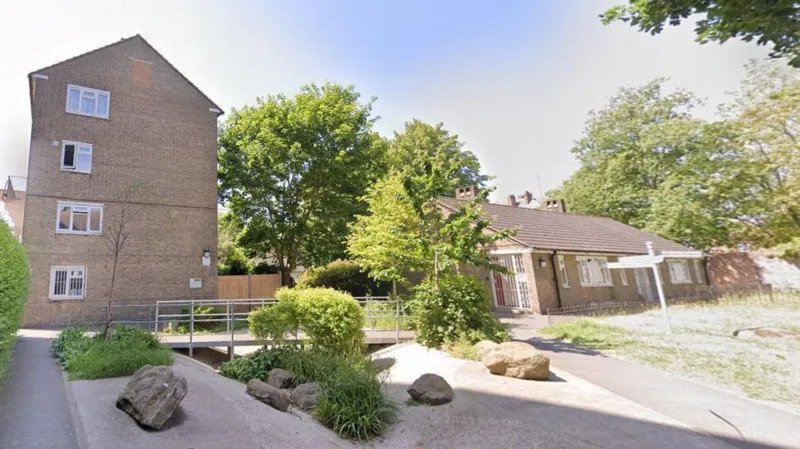
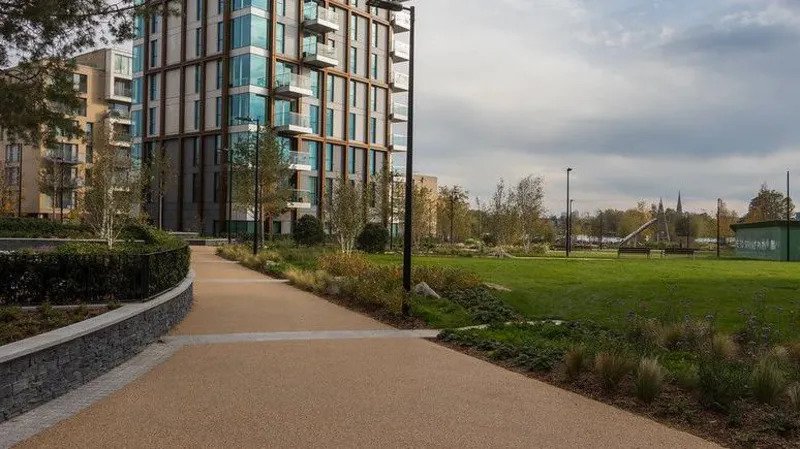

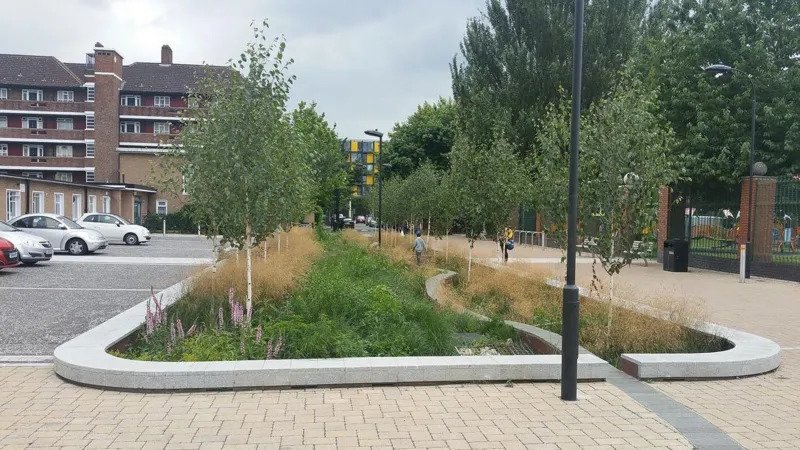
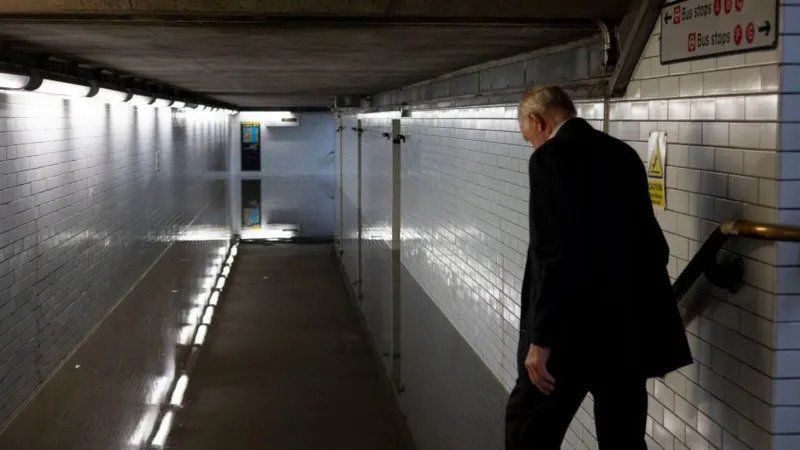

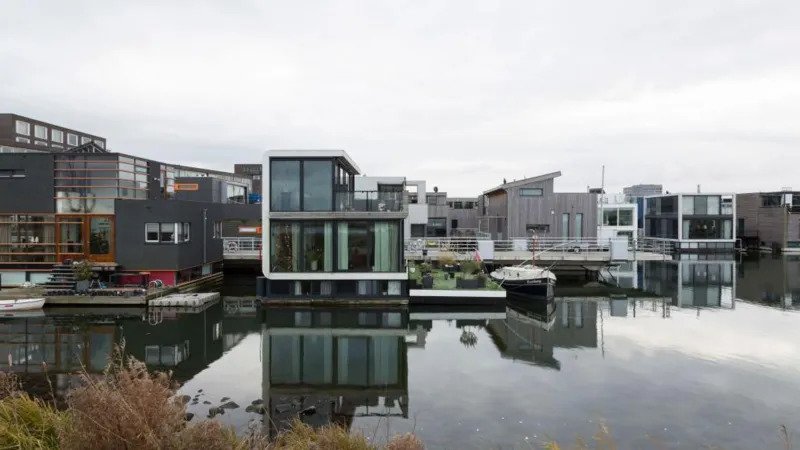
The Greater London Authority (GLA) has identified this issue and proposed turning London into a 'sponge city' - an urban area designed to absorb and store rainwater using green and blue spaces.
The idea, inspired by Chinese cities, aims to mitigate flooding by reducing rainwater runoff into drainage systems.
However, high costs and limited space could impede implementation.
In July 2021, heavy rains caused substantial damage across London, leading to the formation of the Surface Water Strategic Group to devise a comprehensive flooding strategy.
The Met Office predicts that storm events causing flash flooding could become four times more frequent if emissions stay high.
Sustainable drainage systems (SuDS) like rain gardens, green roofs, and permeable pavements are key features of sponge cities.
While there's support for such initiatives, the challenge lies in investment, space, and community involvement.
As London prepares for climate-related changes, the city's resilience measures and the potential of becoming a sponge city remain crucial topics for policymakers.