LONDON DAILY ARCHIVE
Assembly Resumes as DUP Ends Boycott
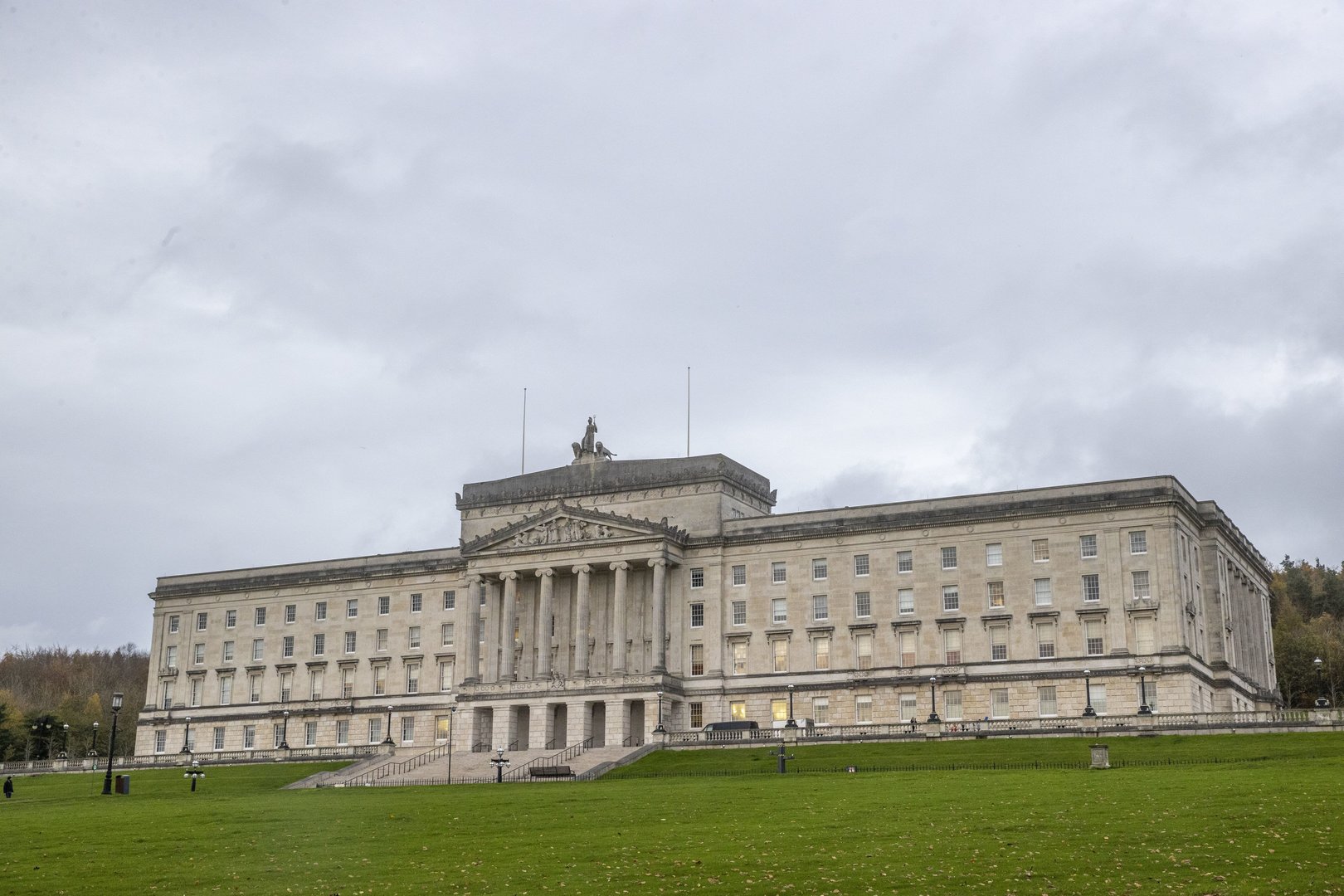
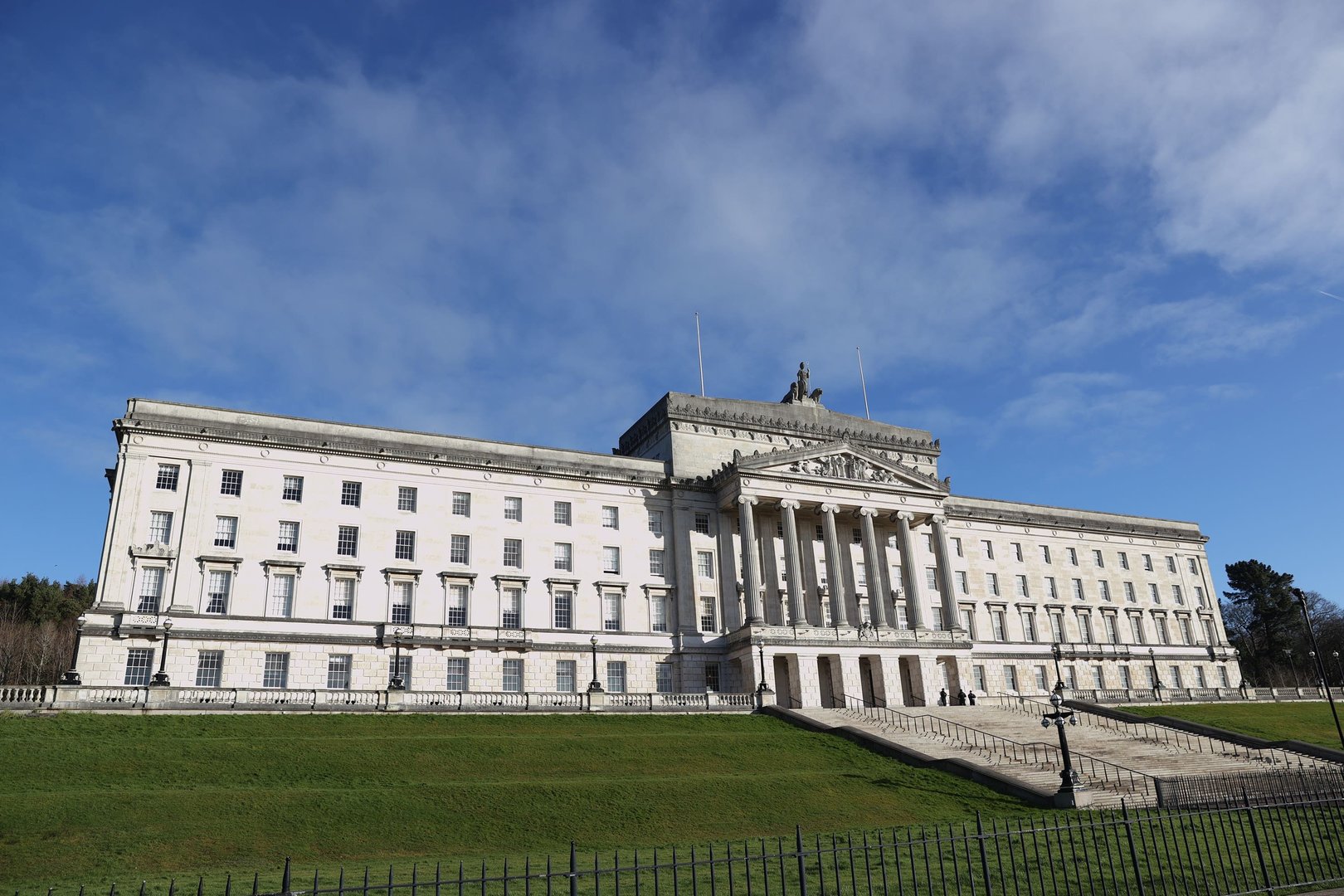
The Northern Ireland Assembly is set to convene on a rare Saturday session following the DUP's halt to its boycott.
01 February 2024 · 22:19 UTC
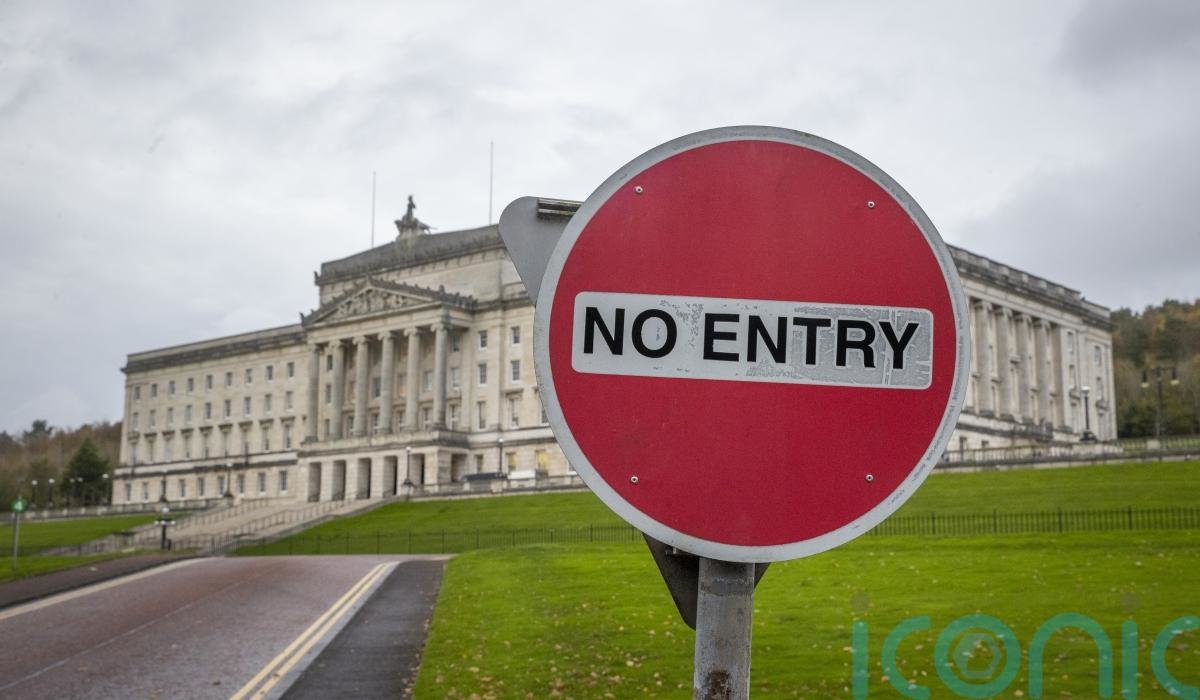
Their previous protest was against post-Brexit trade terms.
Speaker Alex Maskey called for the session at 1:00 PM GMT, a move welcomed by Secretary of State Chris Heaton-Harris, who looks forward to a reformed executive.
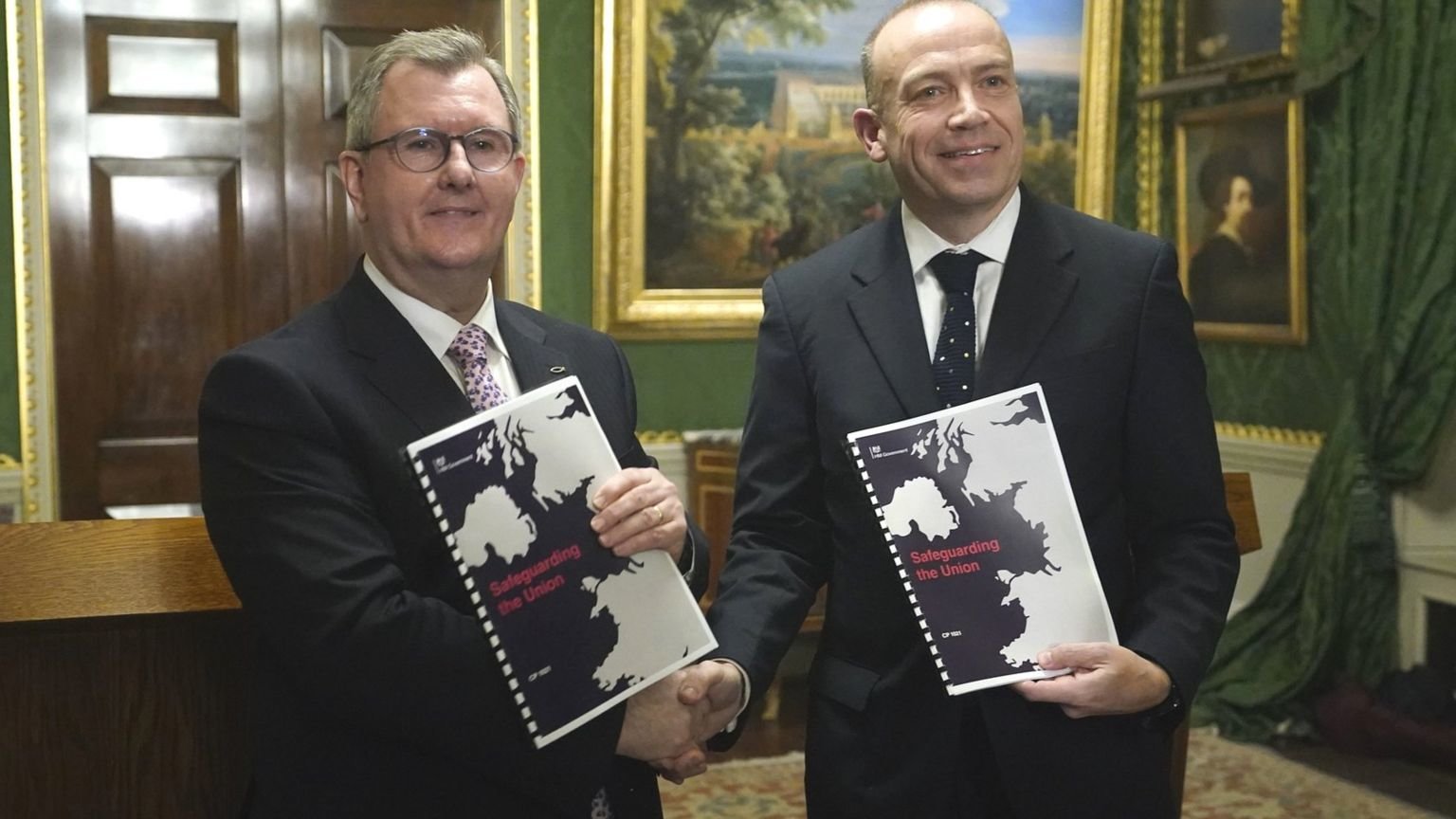
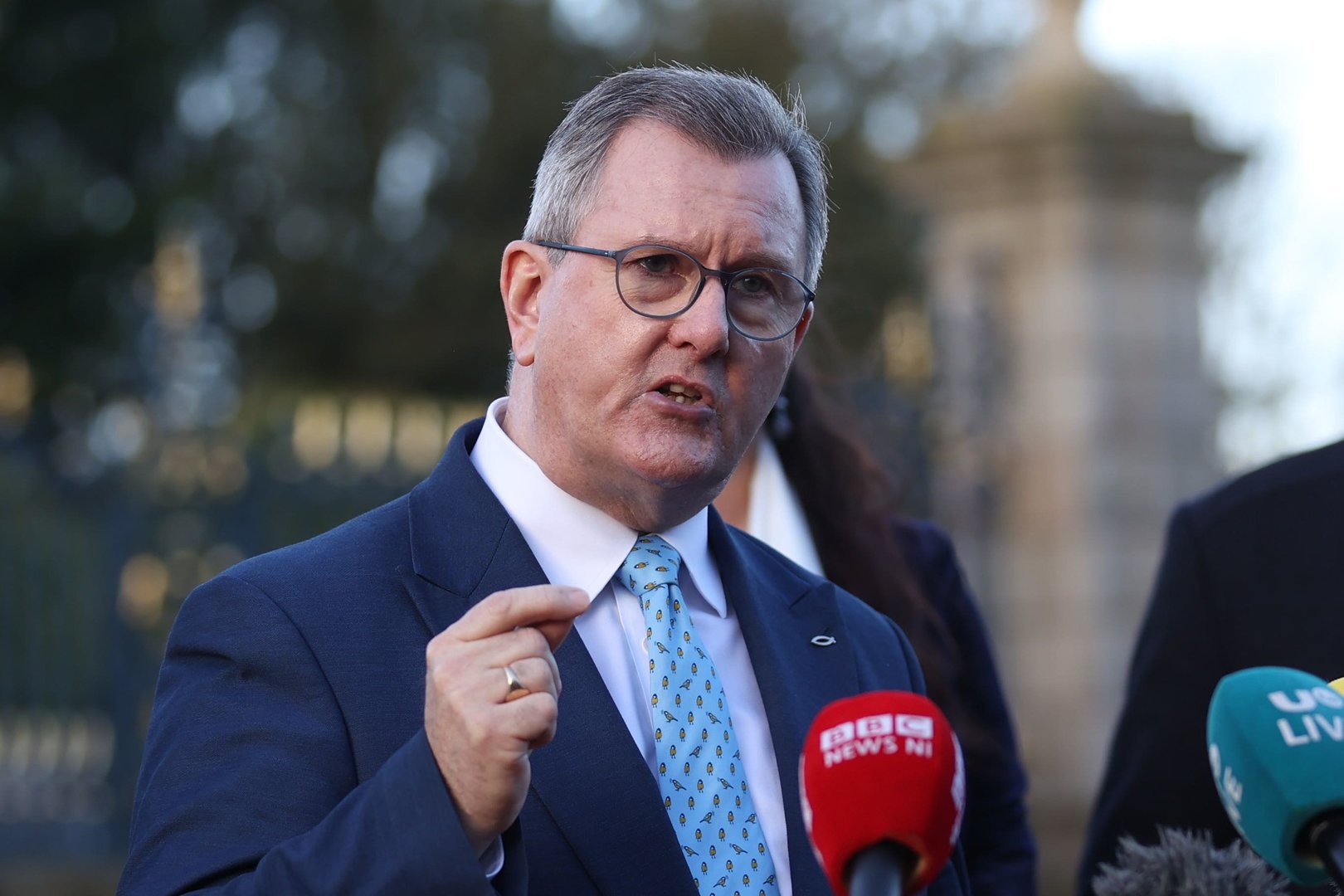
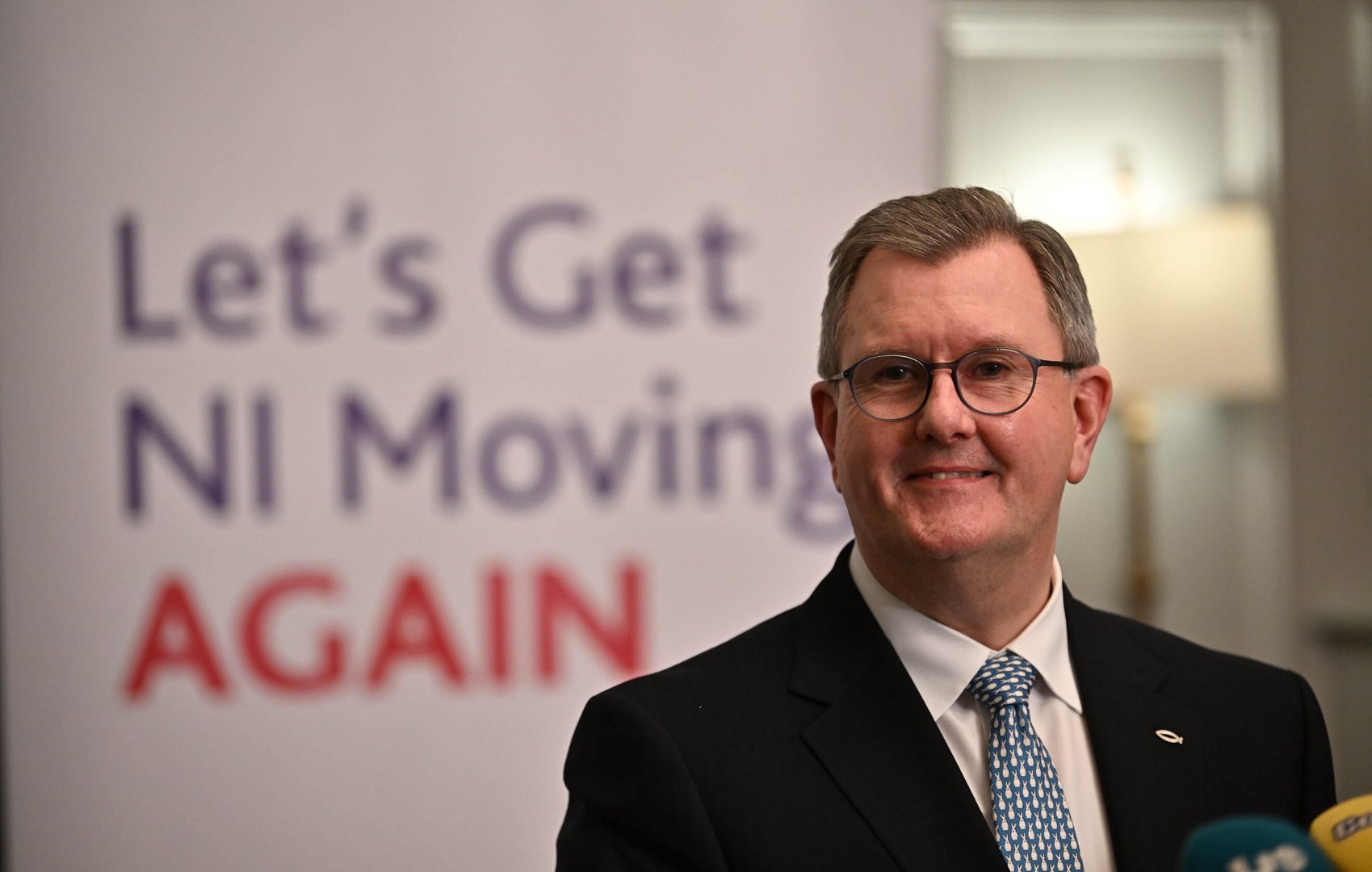
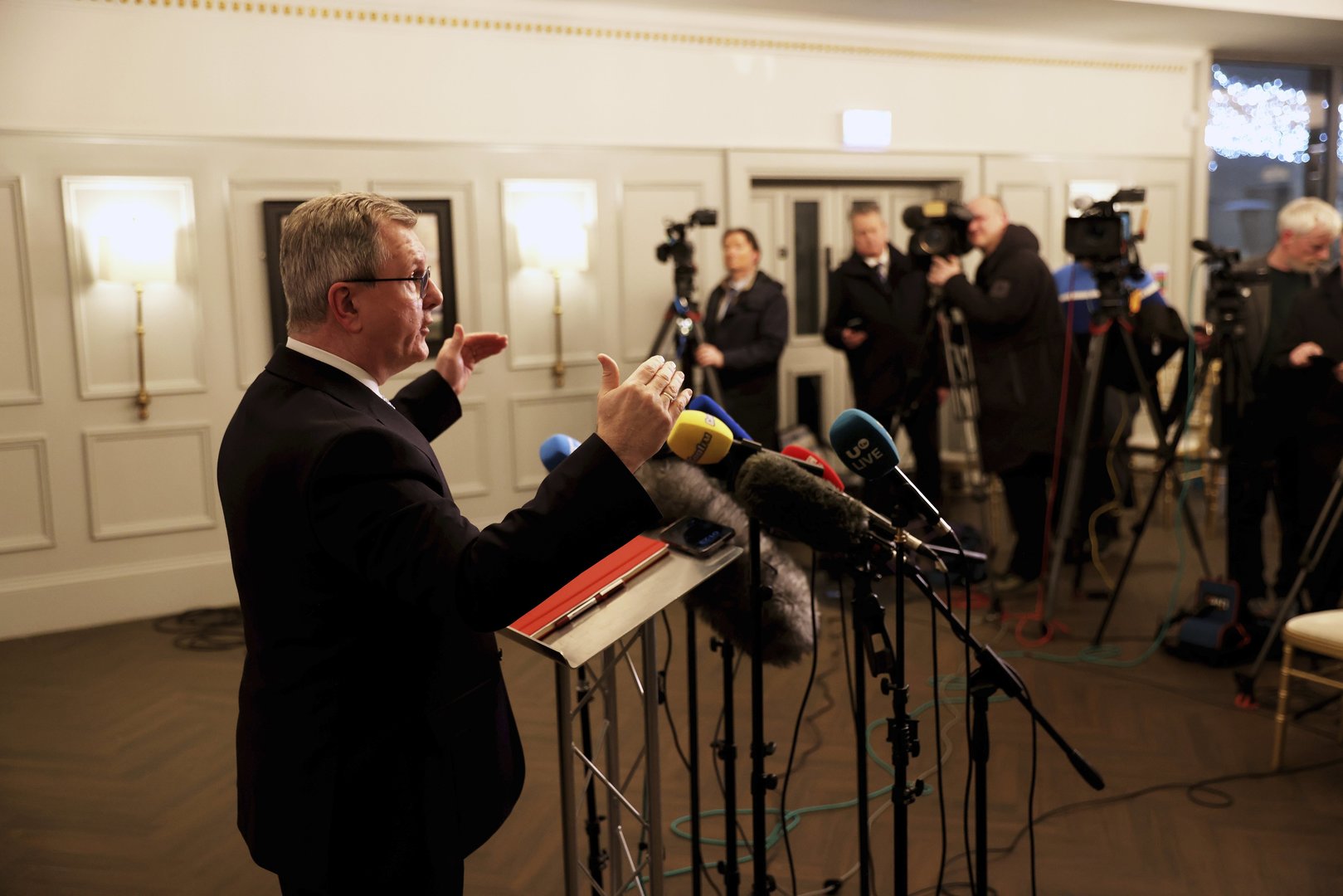
The DUP decided to rejoin the assembly following the legislative decision in Westminster, which they view as restoring consent-based governance that respects Northern Ireland's status within the UK.
Criticisms and Support for the Deal
Chris Heaton-Harris suggested that a functional Stormont will enable stronger leadership and prosperity in the region. However, the SDLP criticized the agreement as detrimental to the Good Friday Agreement.
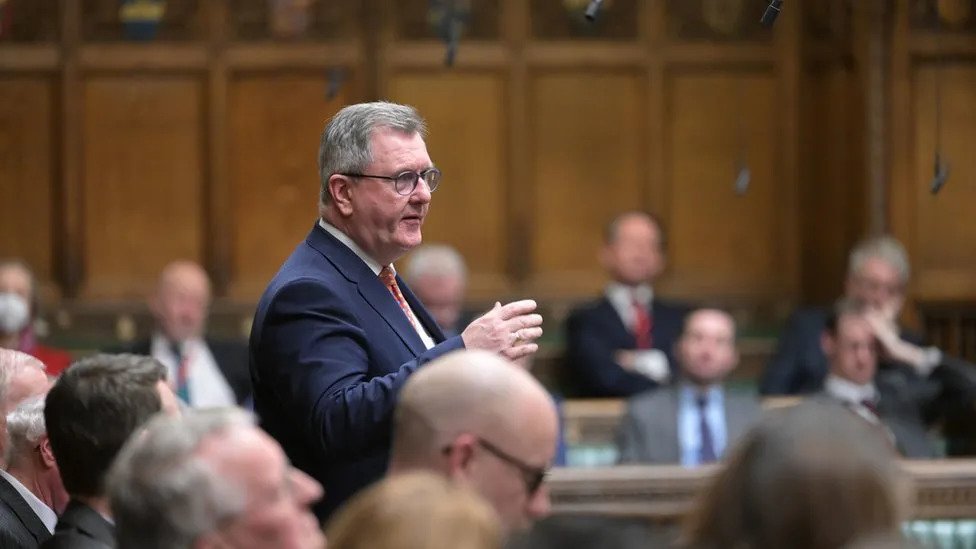
Meanwhile, amid House of Commons debates, Minister Steve Baker emphasized that the new financial package and Stormont arrangements offer Northern Ireland a significant opportunity to thrive.
Details of the New Arrangement
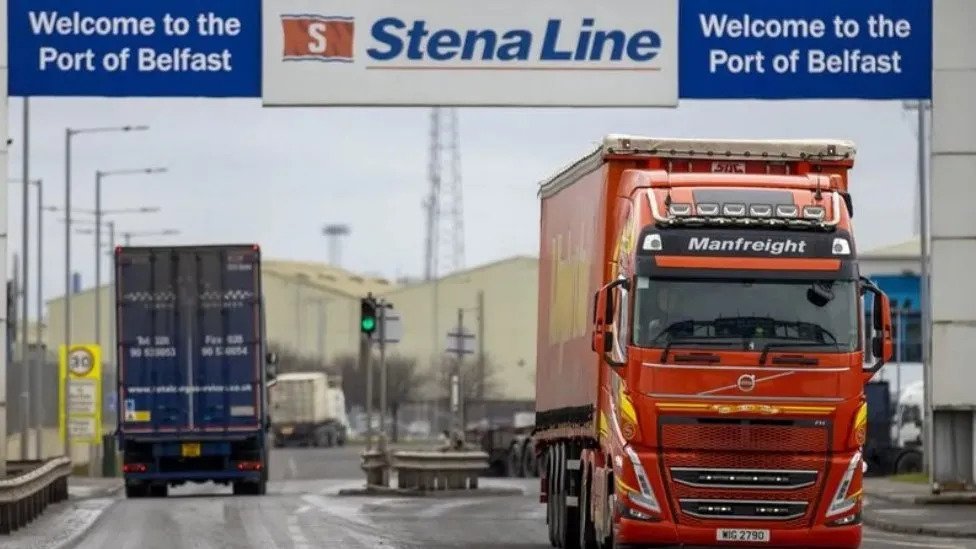
The deal reduces formalities for goods shipped from the UK to Northern Ireland, ensuring they face no "routine" checks if intended to remain in Northern Ireland.
It aligns with an EU/UK agreement and is expected to be acceptable to the EU, furthered by a UK-EU Joint Committee consensus on amending the pre-existing deal to benefit from UK trade agreements.
Parliament Fast-Tracks Legislation
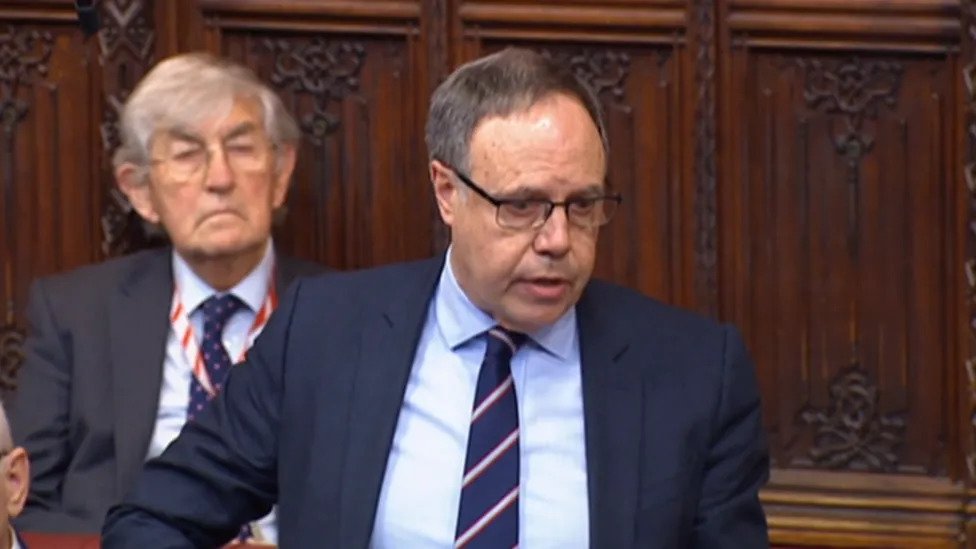
MPs expedited the legislation through the Commons within hours, sparking internal critique. Some DUP MPs, like Sammy Wilson, labeled the government weak for allowing EU laws to persist without Stormont's input. Questions emerged about the speed of the process and the attentiveness to details of the Irish Sea border concerns.
Anticipations for Saturday's Session
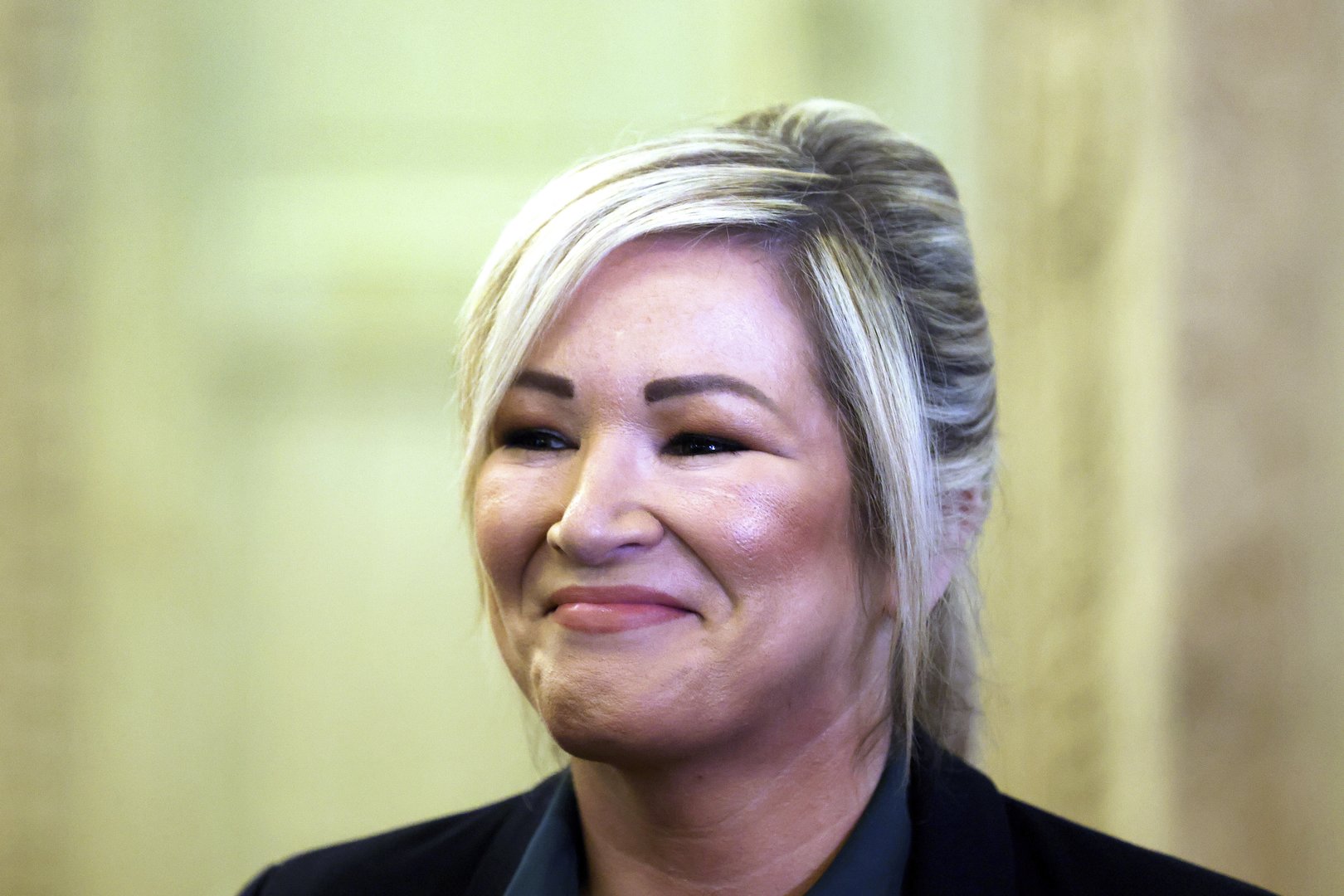
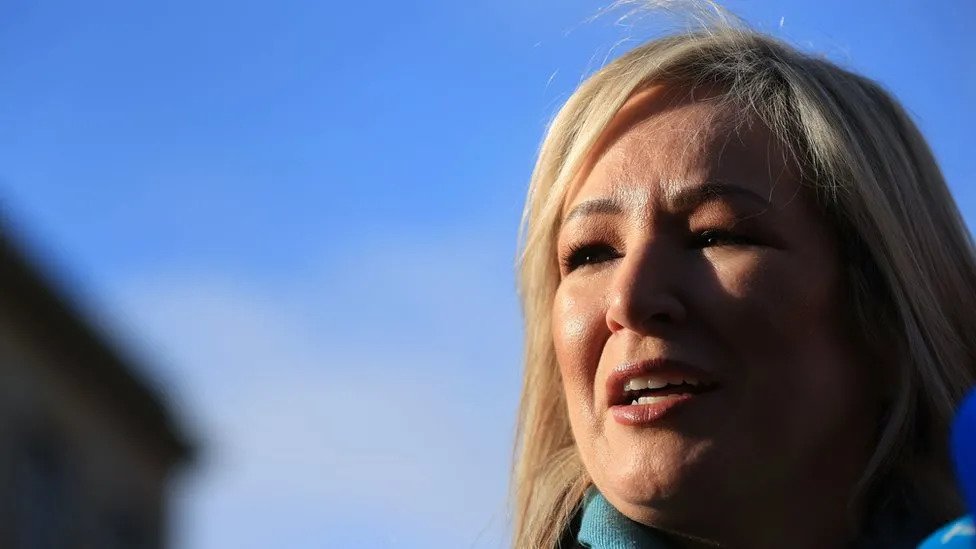
Saturday's primary agenda will include electing a new Speaker, a prerequisite for other procedures. Following that, the parties will nominate candidates for first and deputy first ministers, with Sinn Féin poised to appoint the first republican first minister, Michelle O'Neill, symbolizing a historic milestone in Northern Ireland's governance.