LONDON DAILY ARCHIVE
Anneliese Dodds Resigns as International Development Minister Amid Aid Budget Cuts
Anneliese Dodds departs from her role following Keir Starmer's controversial decision to reduce the UK's international aid budget significantly.
01 March 2025 · 11:50 UTC
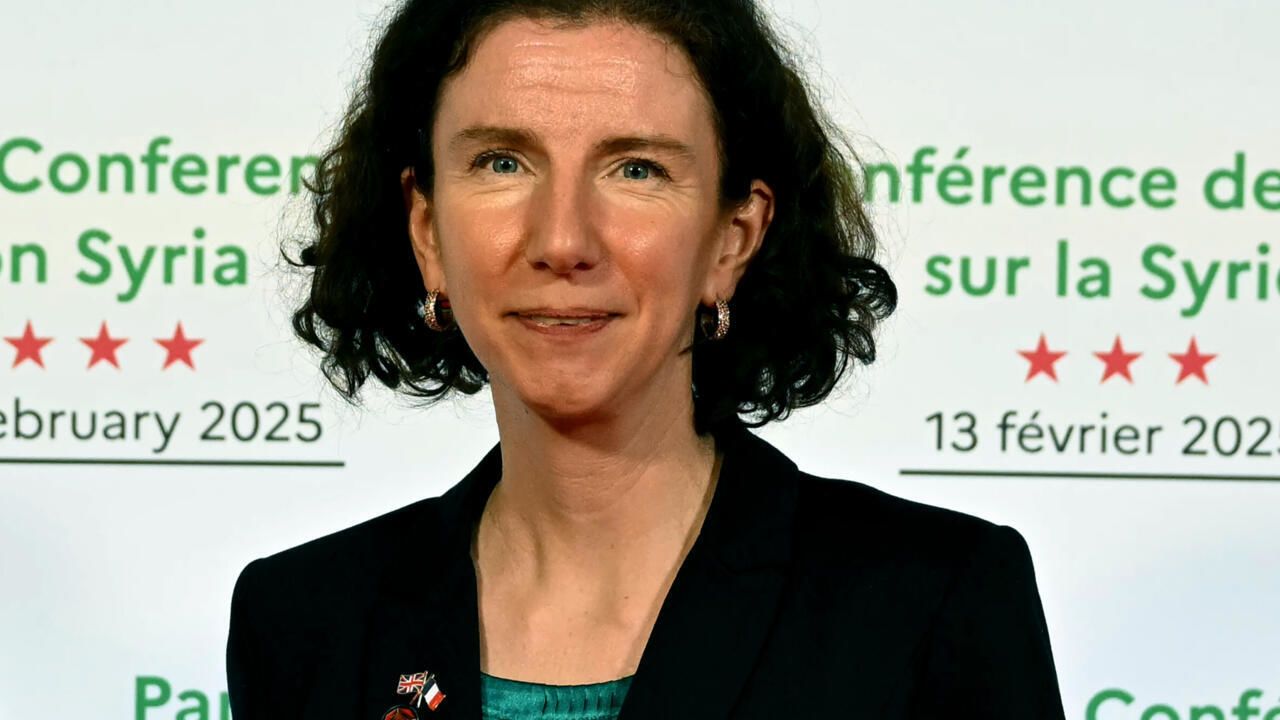
The cuts aim to reallocate funds towards increasing defense spending, a move Dodds has warned could allow nations like Russia and China to expand their influence globally.
The reduction in the aid budget is expected to fall by approximately £6 billion by 2027, decreasing from 0.56% to 0.3% of the UK's gross national income.
This decision has raised concerns among various cabinet ministers, who fear that reducing foreign aid could have unintended consequences, particularly in terms of national security and international relations.
Dodds, a senior Labour MP and former shadow chancellor, has expressed that the UK’s retreat from international development would empower aggressive expansions by Moscow and Beijing.
Her resignation came shortly after Prime Minister Starmer concluded a visit to Washington, where he engaged in discussions with U.S. President Donald Trump regarding military and security matters related to Ukraine.
In her resignation letter, Dodds acknowledged the necessity of increasing defense spending but cautioned against the methods by which this increase was being financed.
She indicated a willingness to see some aid cuts if they were part of a broader strategic discussion on defense funding, emphasizing that substantial fiscal resources could not be generated solely through cutting aid budgets.
Instead, she suggested examining borrowing rules and taxation methods as alternatives to fund military expansion goals, which include an increase in defense spending to 2.5% of GDP by 2027, with an ambition for 3% in the next parliamentary session.
Dodds indicated that the aid cuts could significantly hinder the UK’s ability to provide crucial support to areas in dire need, including Gaza, Sudan, and Ukraine, undermining promises made by the government to maintain aid levels in these regions.
She questioned the feasibility of sustaining important initiatives in vaccination, climate efforts, and overall humanitarian assistance under the proposed budget constraints.
Starmer responded to Dodds's resignation with a letter emphasizing his pride in the UK's commitment to international development, yet he reiterated that ensuring national security is the government’s foremost obligation.
The Prime Minister's announcement of reduced aid spending coincided with his broader defense agenda, which is perceived by some as aligning closely with the current U.S. administration’s funding cuts in international aid.
Several political figures weighed in on the implications of the aid cut, including David Lammy, the Foreign Secretary, who has warned that ceding aid support could prompt geopolitical shifts favorable to China.
Furthermore, Richard Dannatt, former head of the British Army, described the budget cuts as a strategic error with the potential to increase the responsibilities of the UK’s armed forces.
Following Dodds's resignation, Jenny Chapman has been appointed as the new Minister for International Development.
As debates around the impact of these budget cuts continue, concerns persist regarding the broader implications for the UK's international standing and humanitarian commitments.