LONDON DAILY ARCHIVE
Anneliese Dodds Resignation Highlights Labour's Internal Tensions Over Defence Spending Policy
The departure of shadow minister Anneliese Dodds raises questions about Labour's fiscal strategies as party unity is tested under Keir Starmer.
01 March 2025 · 15:26 UTC
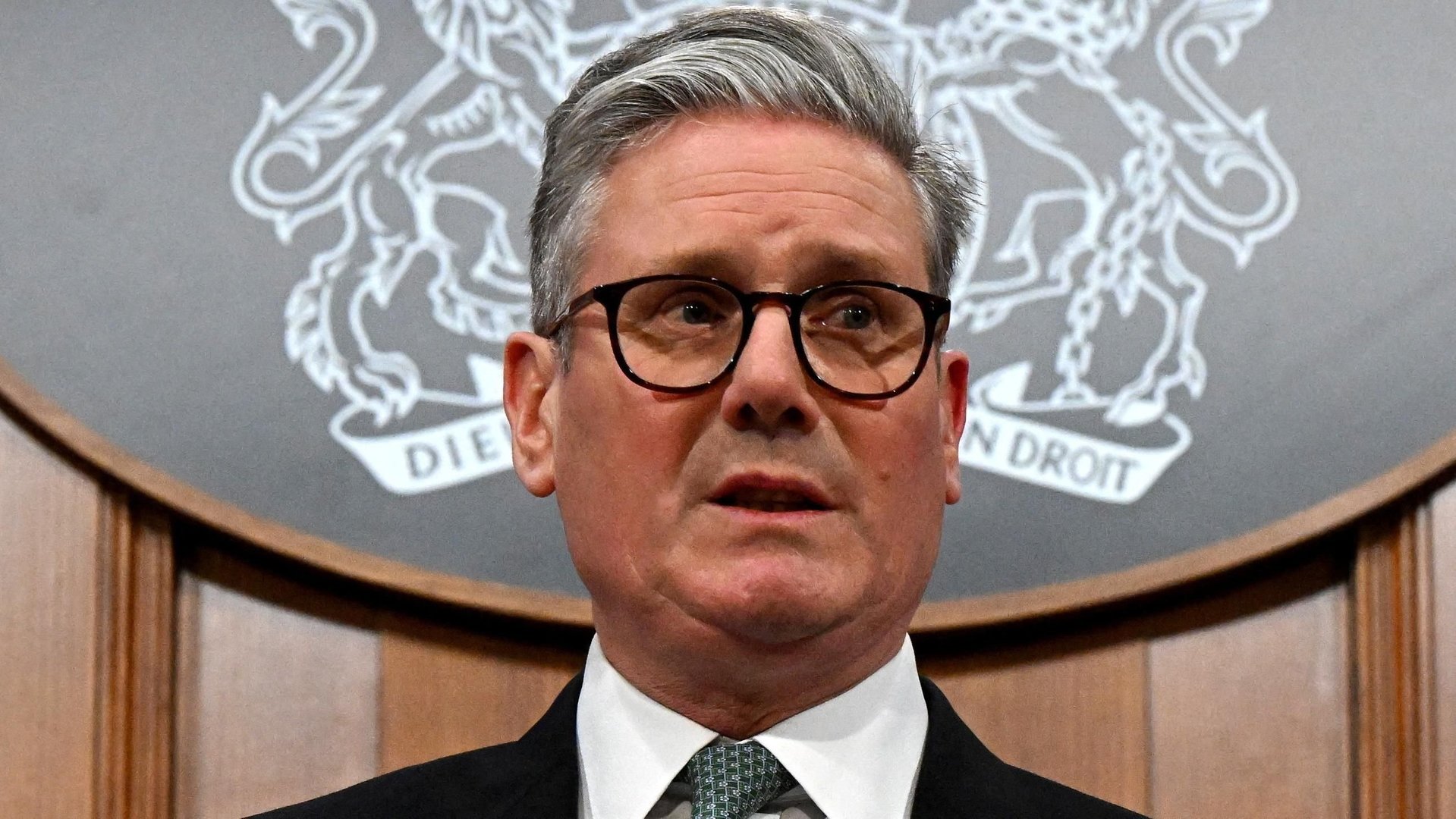
In her resignation letter, Dodds expressed her intention to continue supporting the party from the backbenches while delivering critical remarks about the government's approach to funding increased defence spending.
Dodds emphasized her agreement with the necessity of rising defence expenditures but raised concerns about the funding mechanisms being proposed.
She argued that the suggested cuts in government spending would negatively impact vulnerable populations by removing essential services such as food and healthcare.
Her assertion implies that these cuts could mislead the public regarding their real-life effects and potentially damage the credibility of her leader, Keir Starmer.
The shadow minister's critique extended to Starmer's motivations, suggesting that the increase in defence budget was strategically designed to bolster his position ahead of a meeting with U.S. President Donald Trump.
Furthermore, she cautioned that such a policy could inadvertently enhance the global influence of Russia and China.
Dodds, who was appointed Shadow Chancellor in Starmer's early days as Labour leader, had previously aligned closely with his political perspectives.
However, as the party increasingly gravitates toward the fiscal policies advocated by her successor, Rachel Reeves, she has remained part of what is often categorized as the party's 'soft Left.' This faction appears increasingly at odds with Starmer's evolving strategies, particularly regarding austerity measures and fiscal discipline.
In her resignation letter, a particular line drew attention as Dodds called for a reassessment of Labour’s fiscal rules and taxation approach.
This suggests a willingness to engage in critical debate about the party’s financial strategies, particularly as Labour grapples with public dissatisfaction over welfare policies and other budgetary cuts.
Labour MPs, who have historically maintained a unified front in the face of internal disagreements, are now facing growing trepidations about potential cuts to welfare initiatives.
Specific issues such as the winter fuel allowance, the two-child benefit cap, and compensation for the Women Against State Pension Inequality (WASPI) campaign have prompted unease among party members.
The resignation comes amid perceptions that Starmer may not only be distancing himself from the previous leadership under Jeremy Corbyn but also from key commitments made during the tenures of Tony Blair and Gordon Brown.
The 0.7% GDP target for international aid established under Blair, and the introduction of universal winter fuel payments by Brown, are now viewed with reservations by some Labour representatives.
Polling data reveals that while there is considerable support within the general electorate for increased defence spending, there is also notable endorsement for reduced overseas aid, suggesting a complex landscape for Labour’s policies.
In the so-called 'Red Wall' constituencies, which shifted from Labour to Conservative in 2019 and were recaptured in 2024, there appears to be a rising demand for increased national focus on patriotism and immigration control.
The internal dynamics within Labour may become increasingly strained as harsher policies and further difficult decisions loom on the horizon.
Dodds's resignation, which breaks away from a tradition of collective acquiescence among Labour's senior ranks, raises the spectre that other MPs may also express their dissent over contentious policy directions as leadership navigates a precarious political landscape.