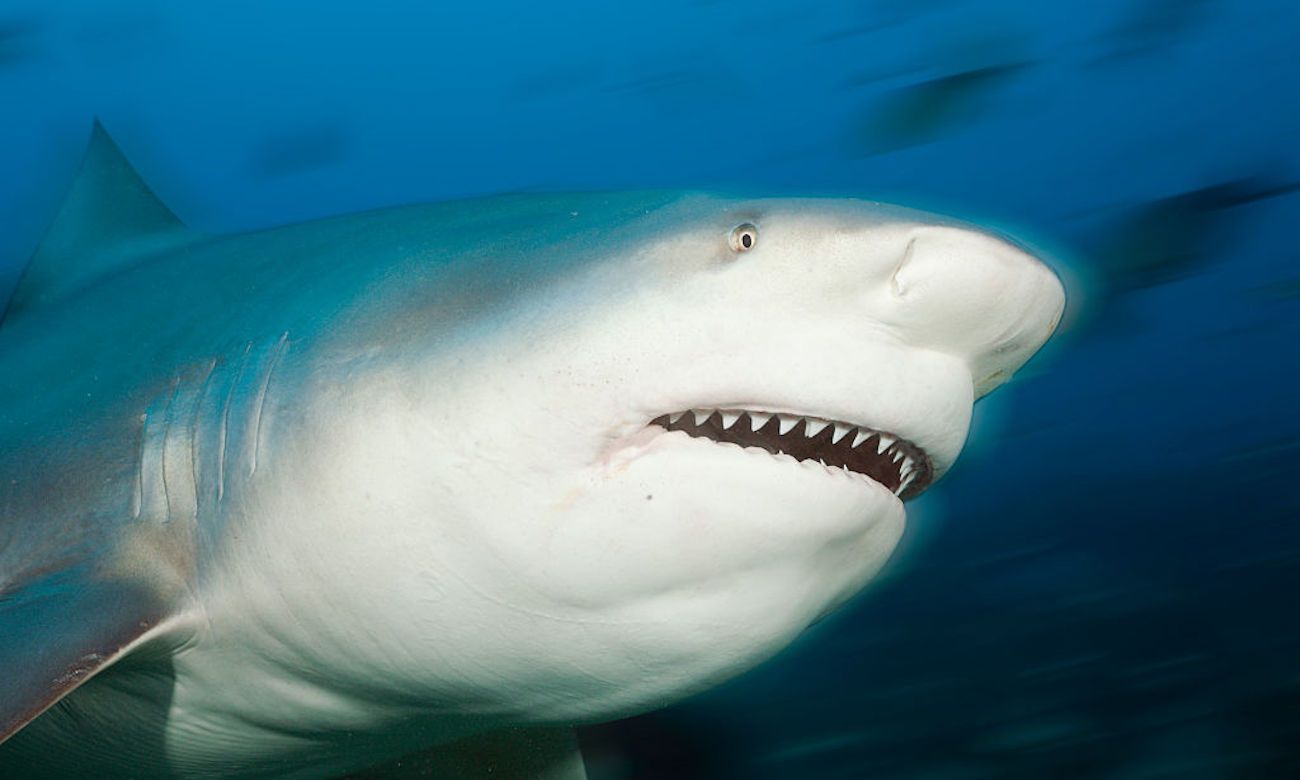
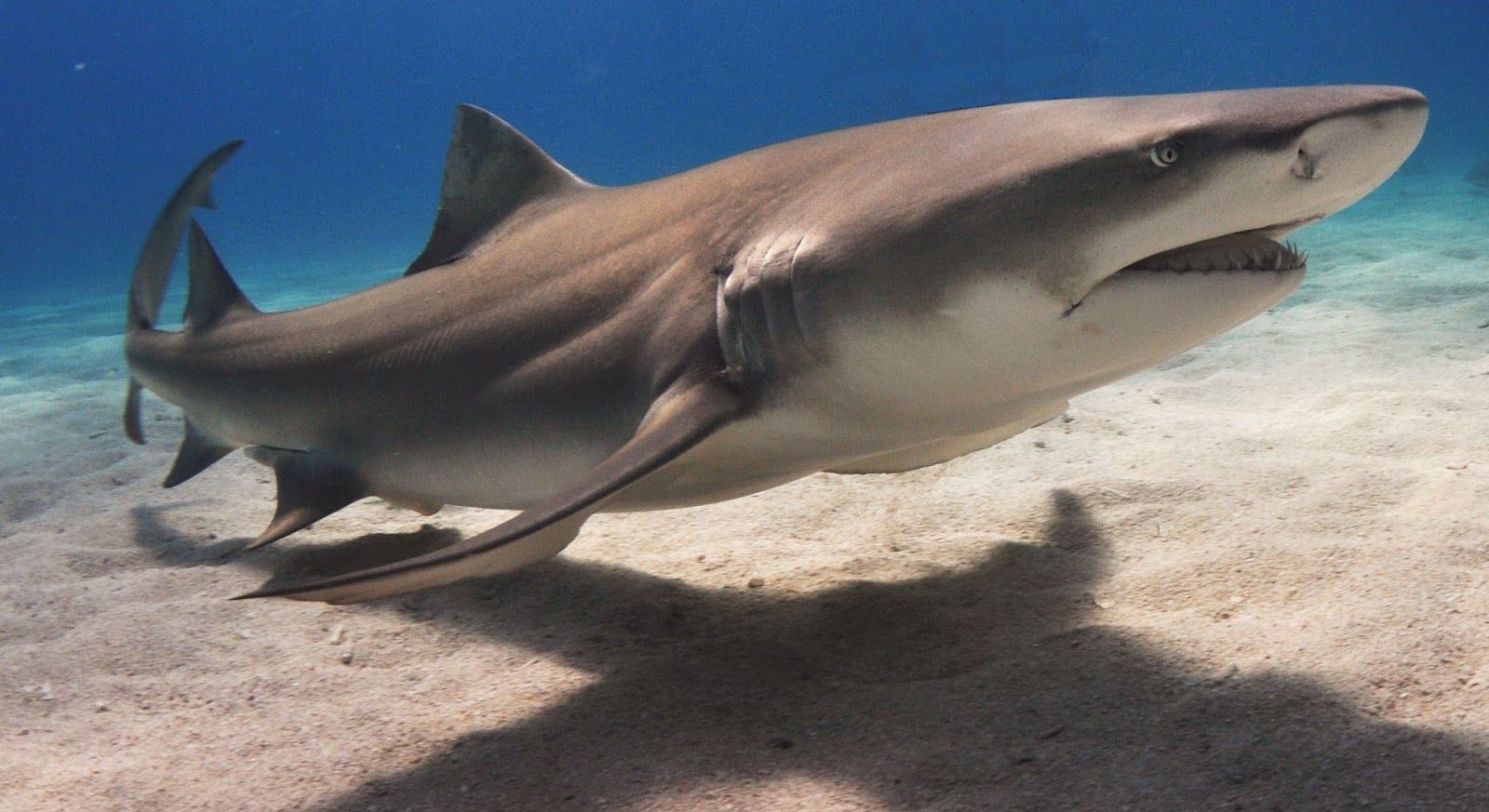
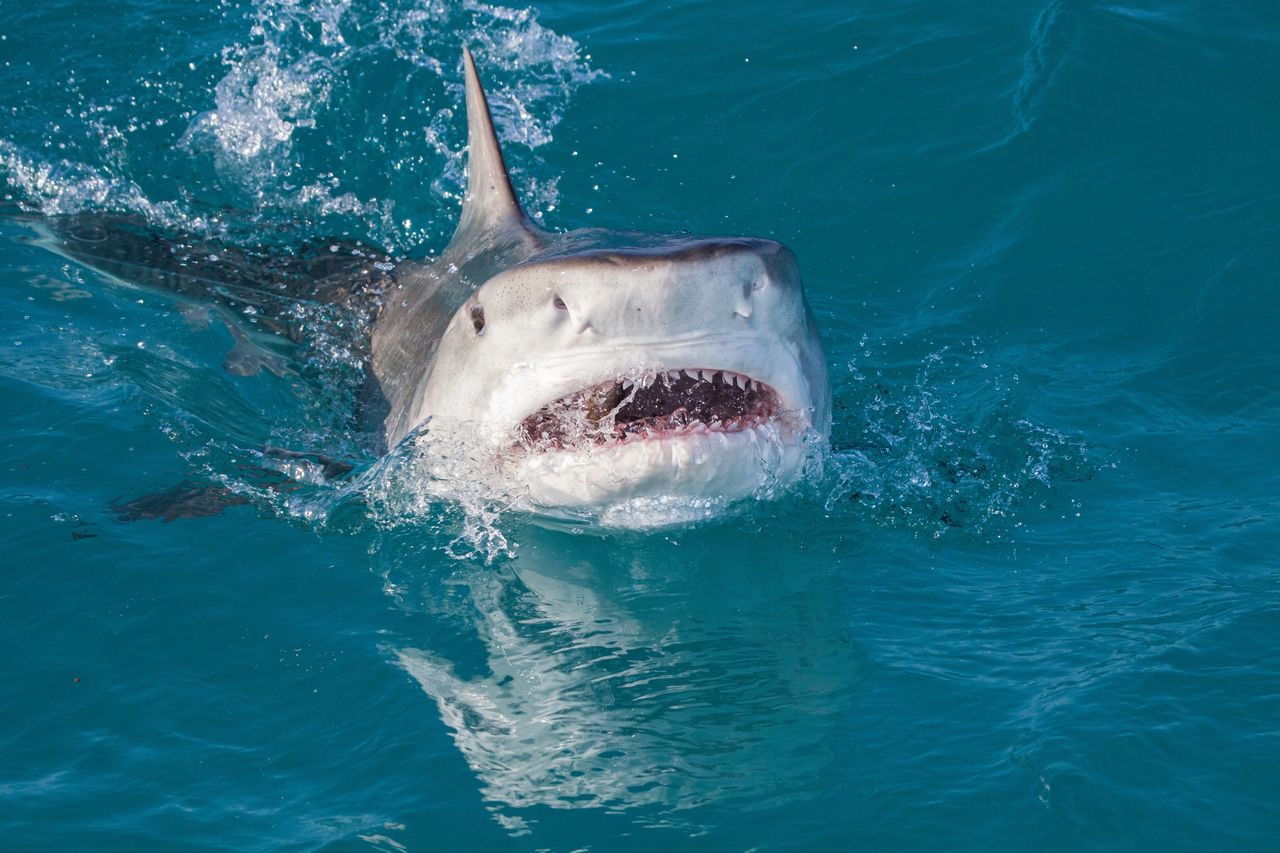
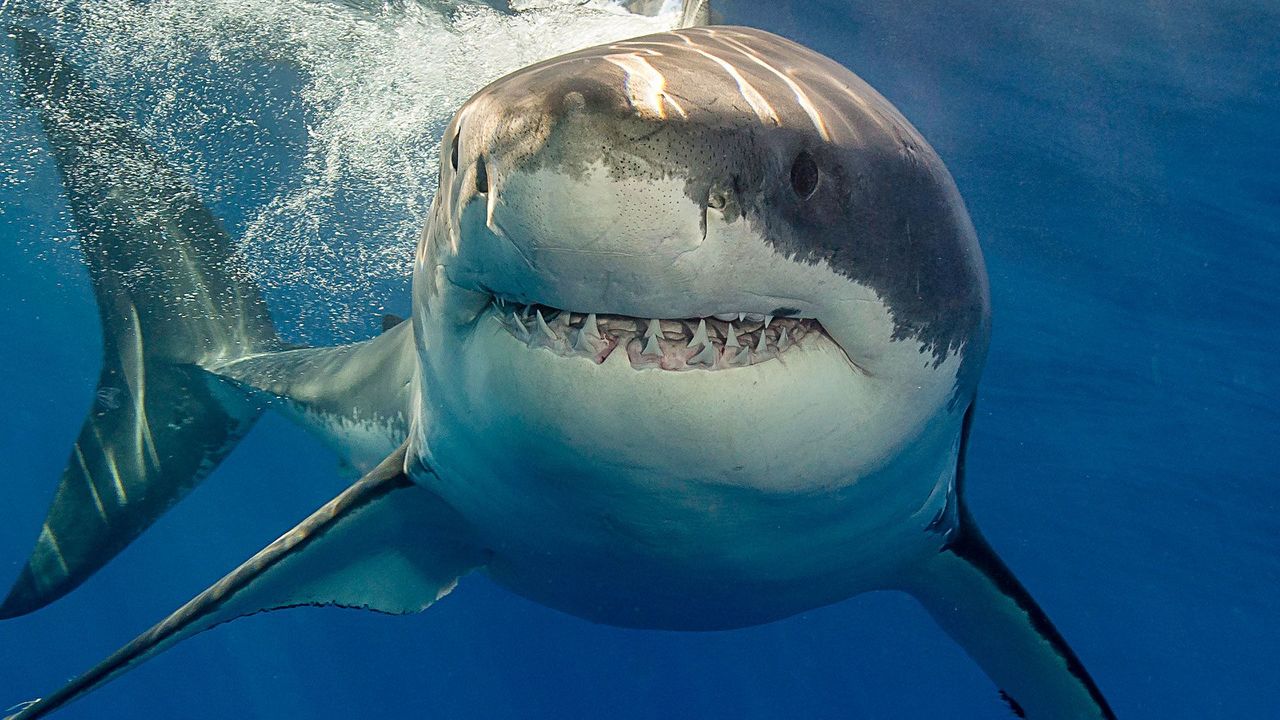
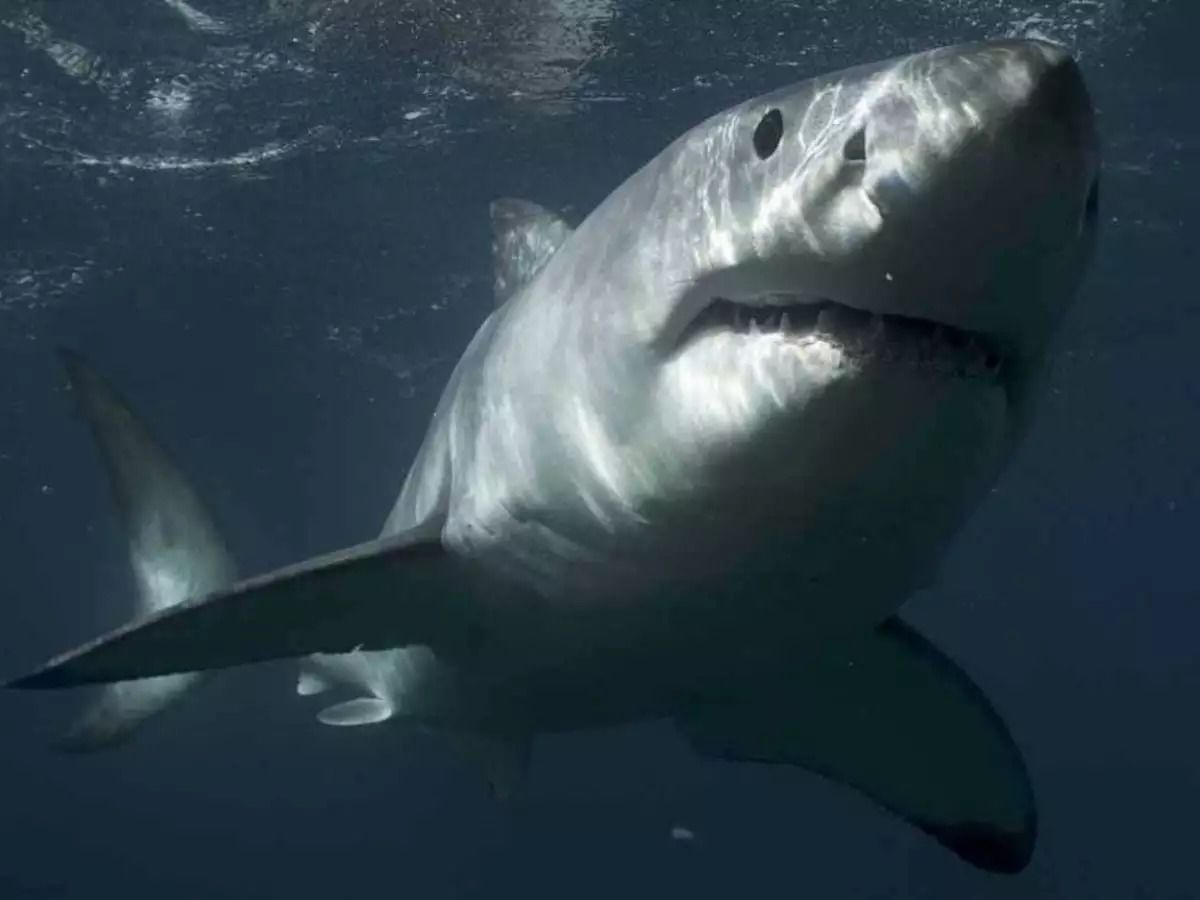
Scientists have raised concerns over the behavior of marine predators, particularly sharks, off the Florida coast, citing possible ingestion of cocaine from drug parcels inadvertently dropped in the ocean. This recent development follows the US Coast Guard's reported seizure of approximately 6,400 kilograms (14,109 pounds) of cocaine in the Caribbean Sea and Atlantic Ocean within just a month.
Researchers from the Discovery Channel's forthcoming series 'Cocaine Sharks' divulged to LiveScience on Thursday that they have observed peculiar behaviors in sharks in the vicinity. The scientists have conducted multiple experiments on sharks around the Florida keys, an area where local fishermen have reportedly encountered oddly behaving fish.
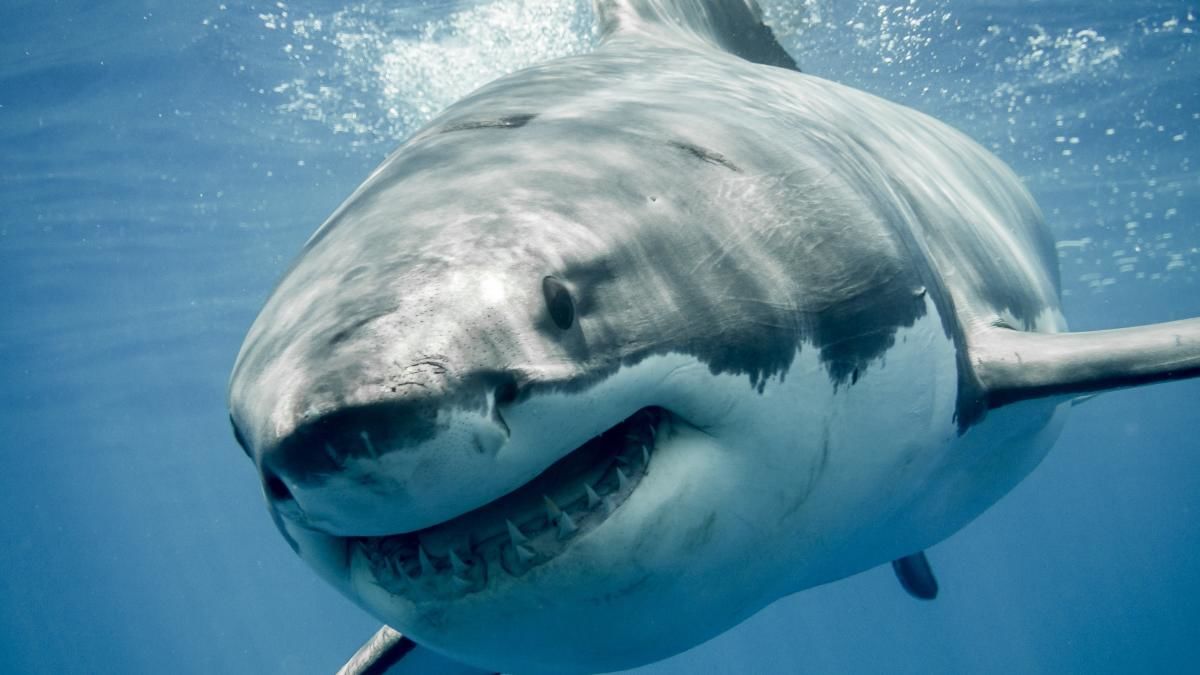
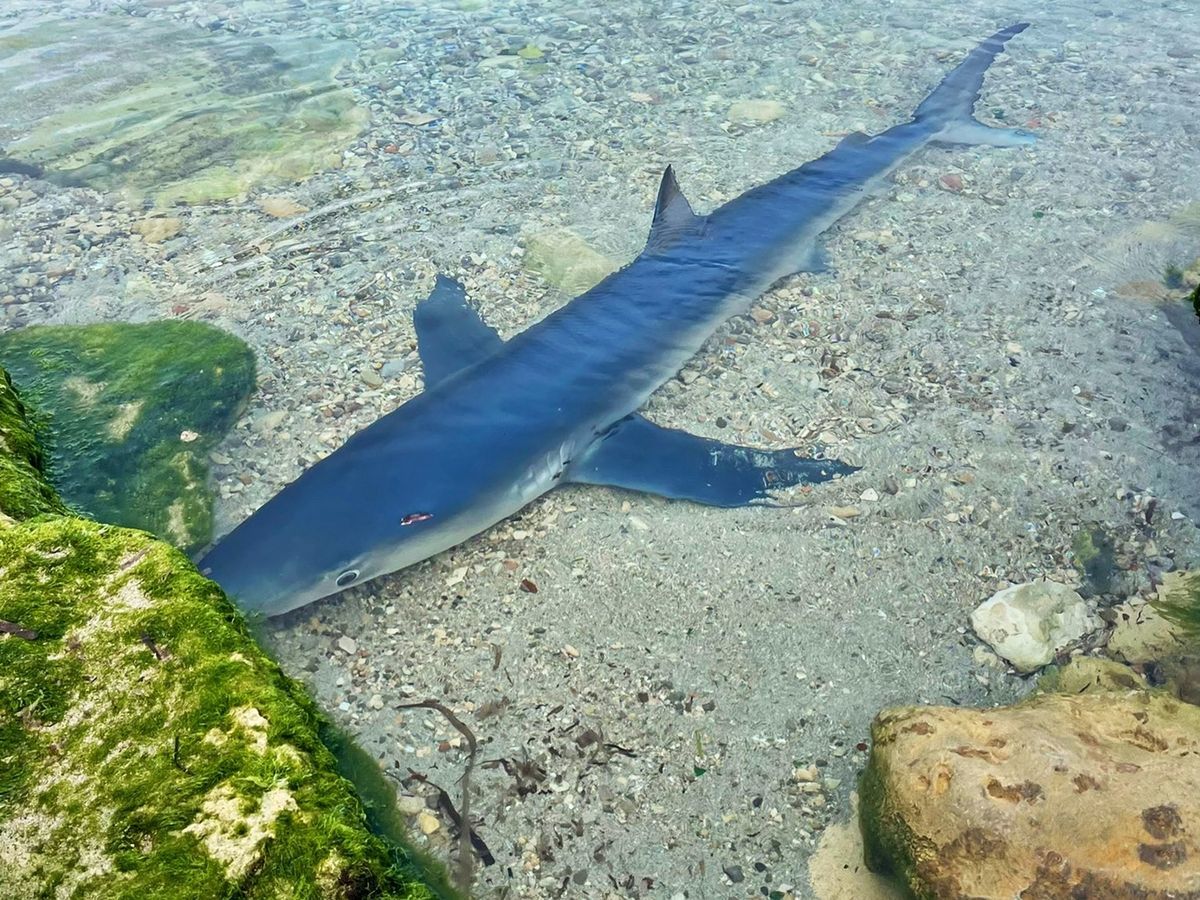
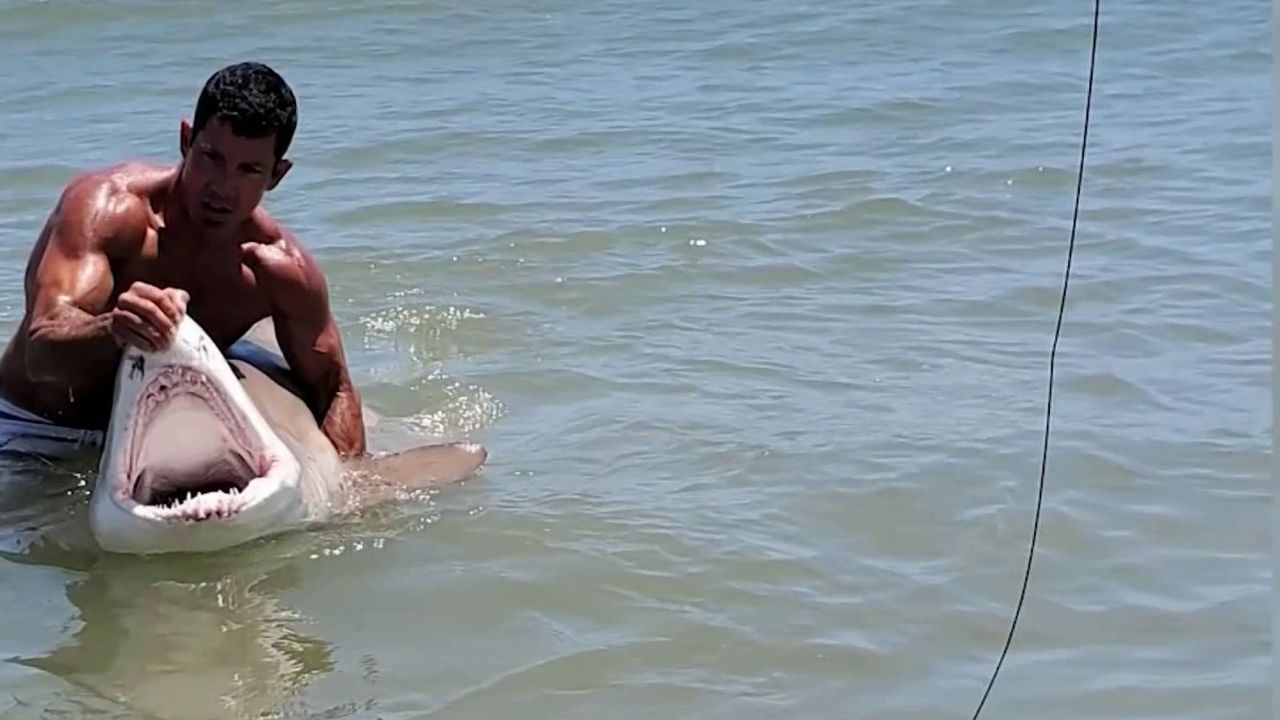
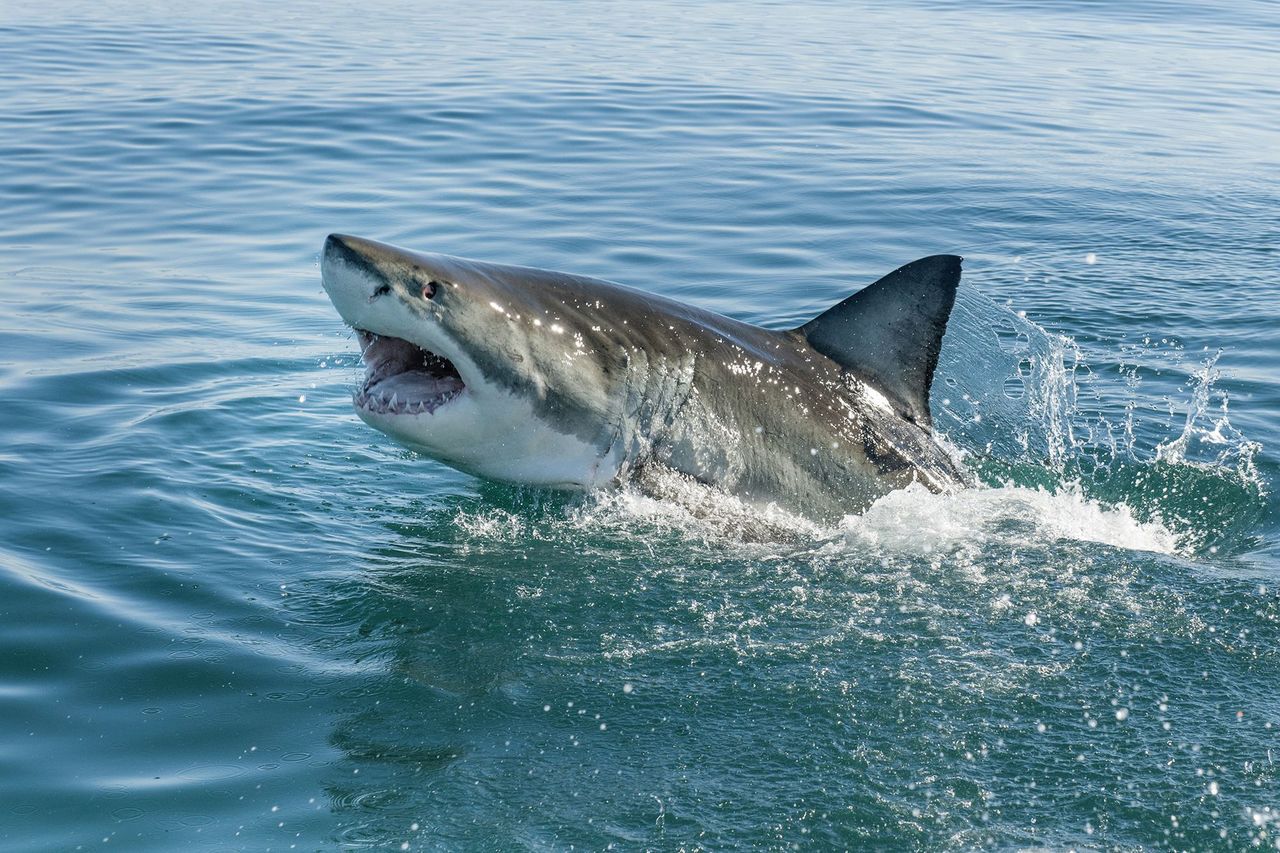
Marine biologist Tom Hird and environmental scientist Tracy Fanara from the University of Florida noted during a dive that a typically human-averse species, the great hammerhead shark, charged directly at the team while swimming off-kilter. Additionally, a sandbar shark was seen swimming in unending tight circles, seemingly focused on an absent object.
The research team conducted a test using a dummy swan and a package designed to mimic the size and appearance of a cocaine bale typically dumped by drug traffickers. Contrary to their expectations, the sharks exhibited no interest in the swans and instead moved directly towards the simulated 'cocaine bales', attempting to bite them. One shark was even observed seizing the entire bale and swimming away with it.
The scientists also carried out an intriguing experiment involving a bait ball made from highly concentrated fish powder. The powder, designed to trigger a dopamine rush in sharks similar to the effect of cocaine, prompted shocking reactions from the sharks. Upon consuming the powder, the sharks appeared to go into a frenzy.
Hird observed, "I think we have got a potential scenario of what it may look like if you gave sharks cocaine. We gave them what I think is the next best thing. [It] set [their] brains aflame. It was crazy."
In a bid to simulate a real-life drug drop, the team released fake cocaine bales from an airplane and found that several shark species immediately converged on the packages.
Despite the startling observations, the researchers admit they have not conclusively proven that sharks are ingesting cocaine. They state, "we have no idea what cocaine could do to the shark." Nevertheless, Hird remains hopeful that the upcoming documentary series could spur further research on the issue and raise awareness about the impact of pharmaceuticals on marine life.
LONDON DAILY ARCHIVE
Alarming Behavior Among Florida's Sharks Raises Concerns Over Possible Cocaine Exposure
Scientists Investigate Unusual Shark Activities, Suspect Possible Ingestion of Cocaine Dropped in the Ocean by Drug Traffickers
22 July 2023 · 03:08 UTC