LONDON DAILY ARCHIVE
Air defense for $13 a shot?
How lasers could revolutionize the way militaries counter enemy missiles and drones
21 March 2024 · 22:21 UTC
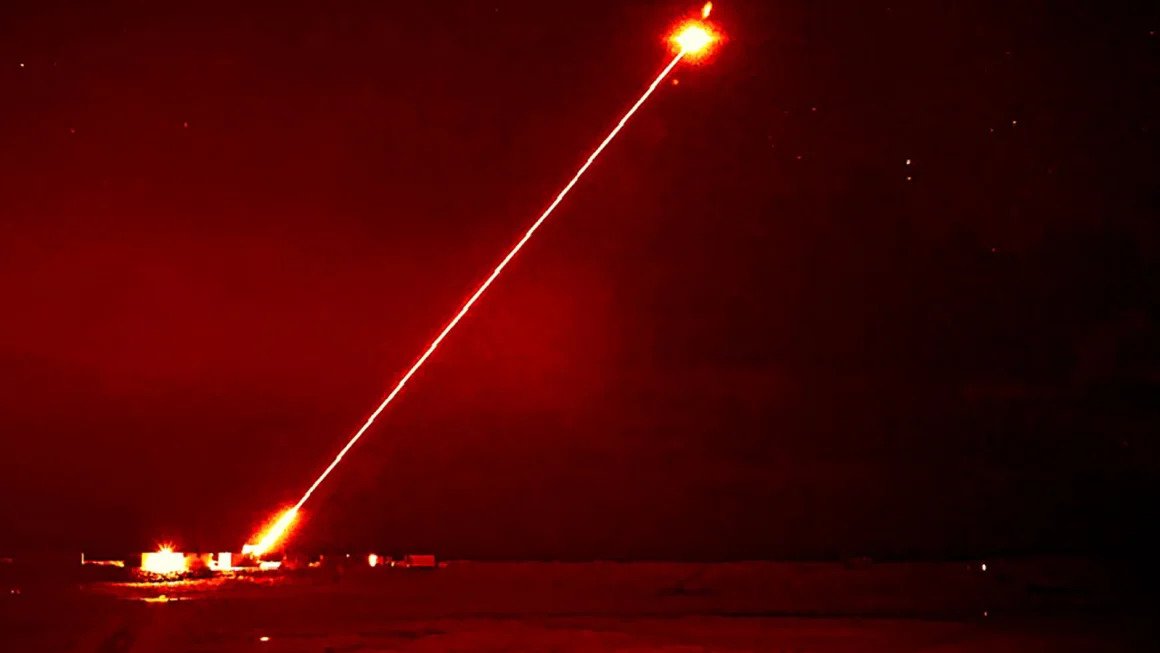
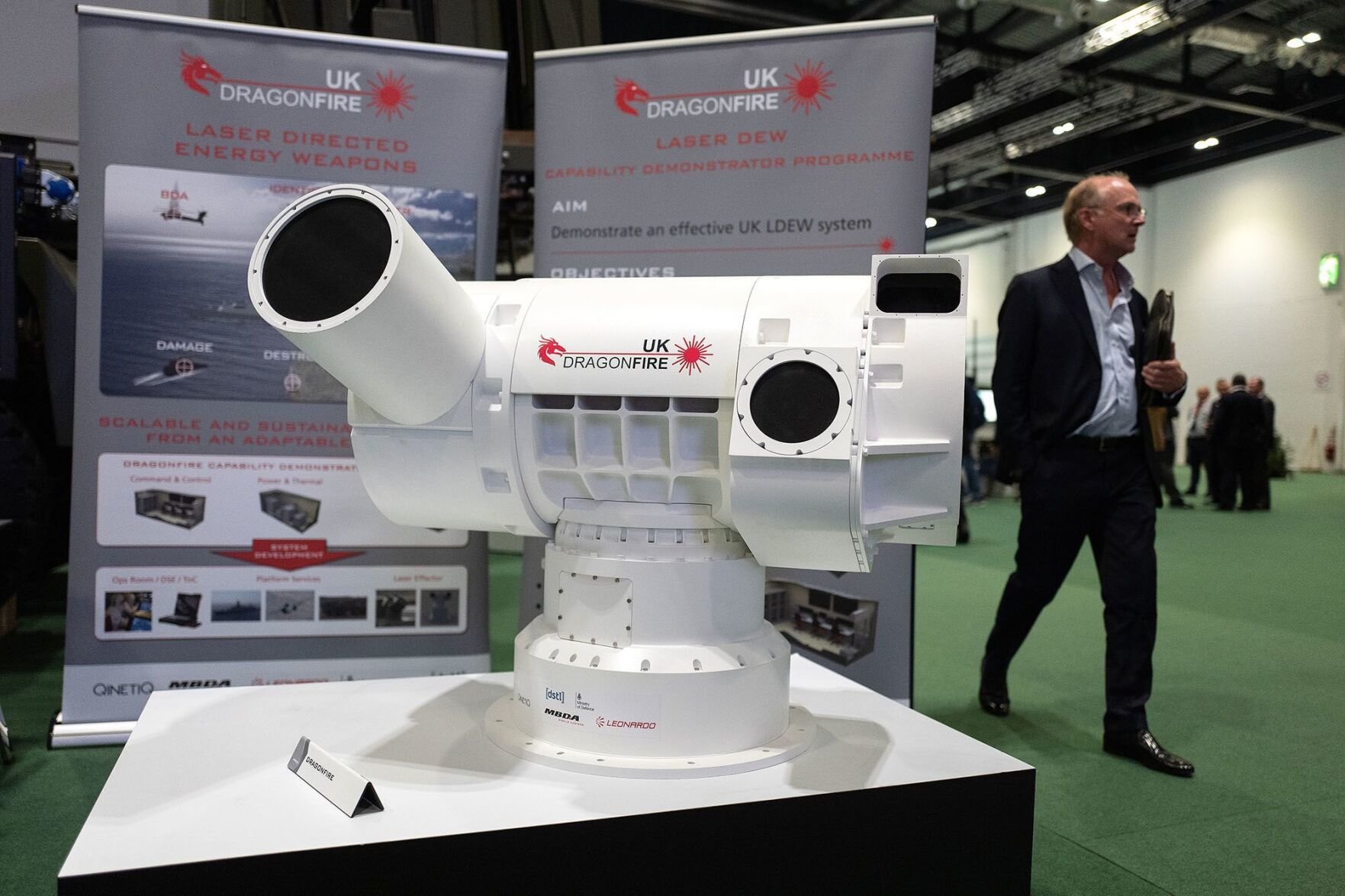
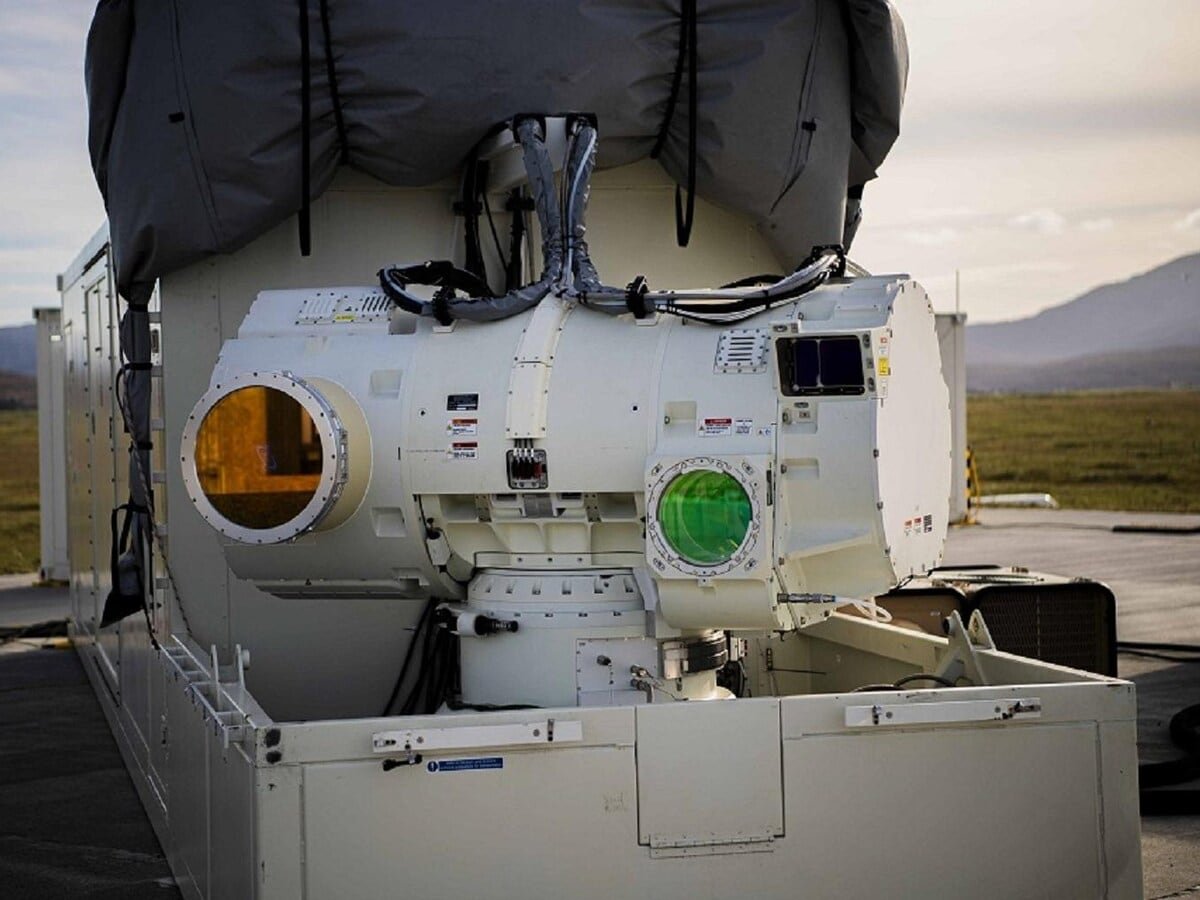
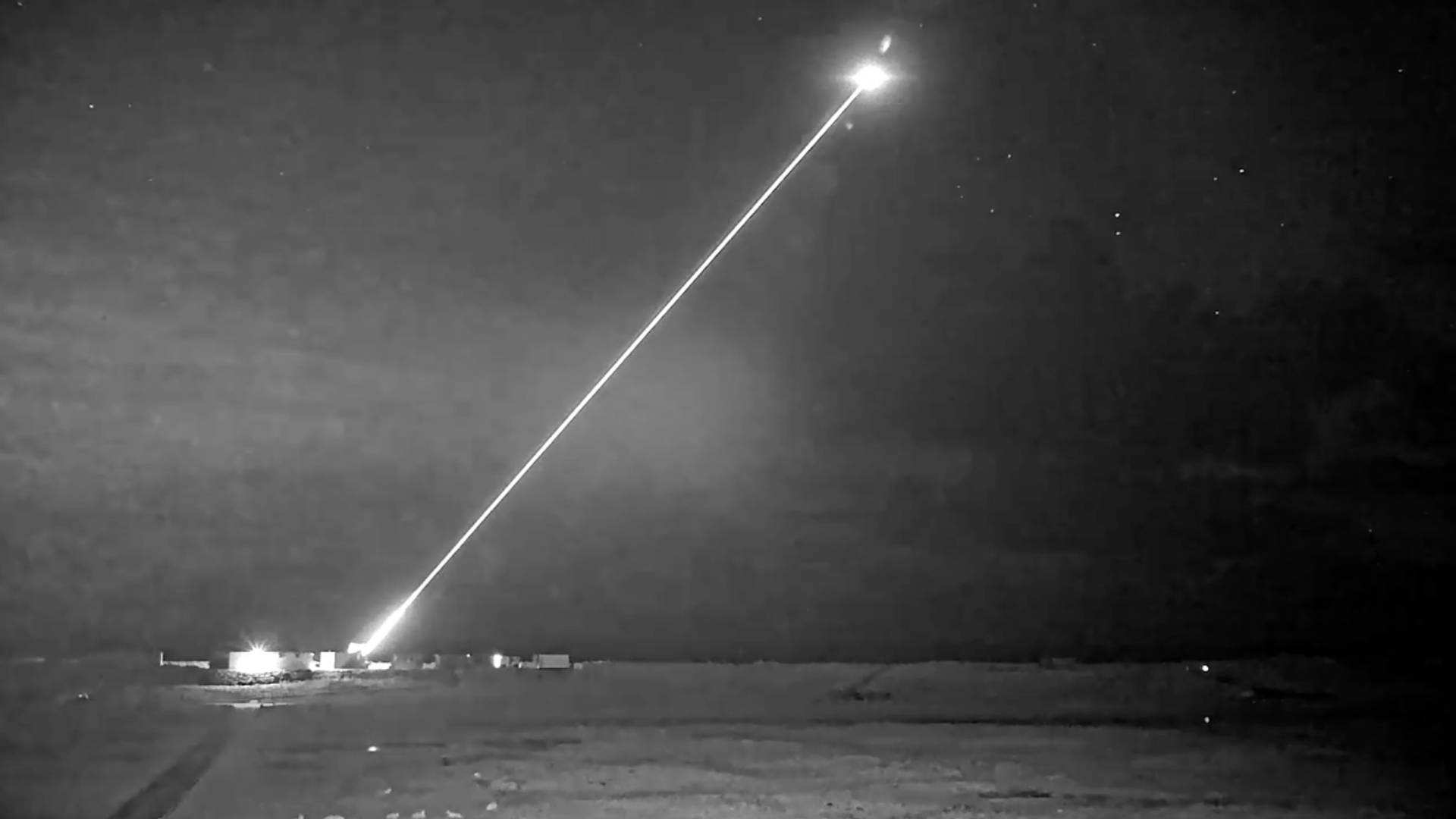
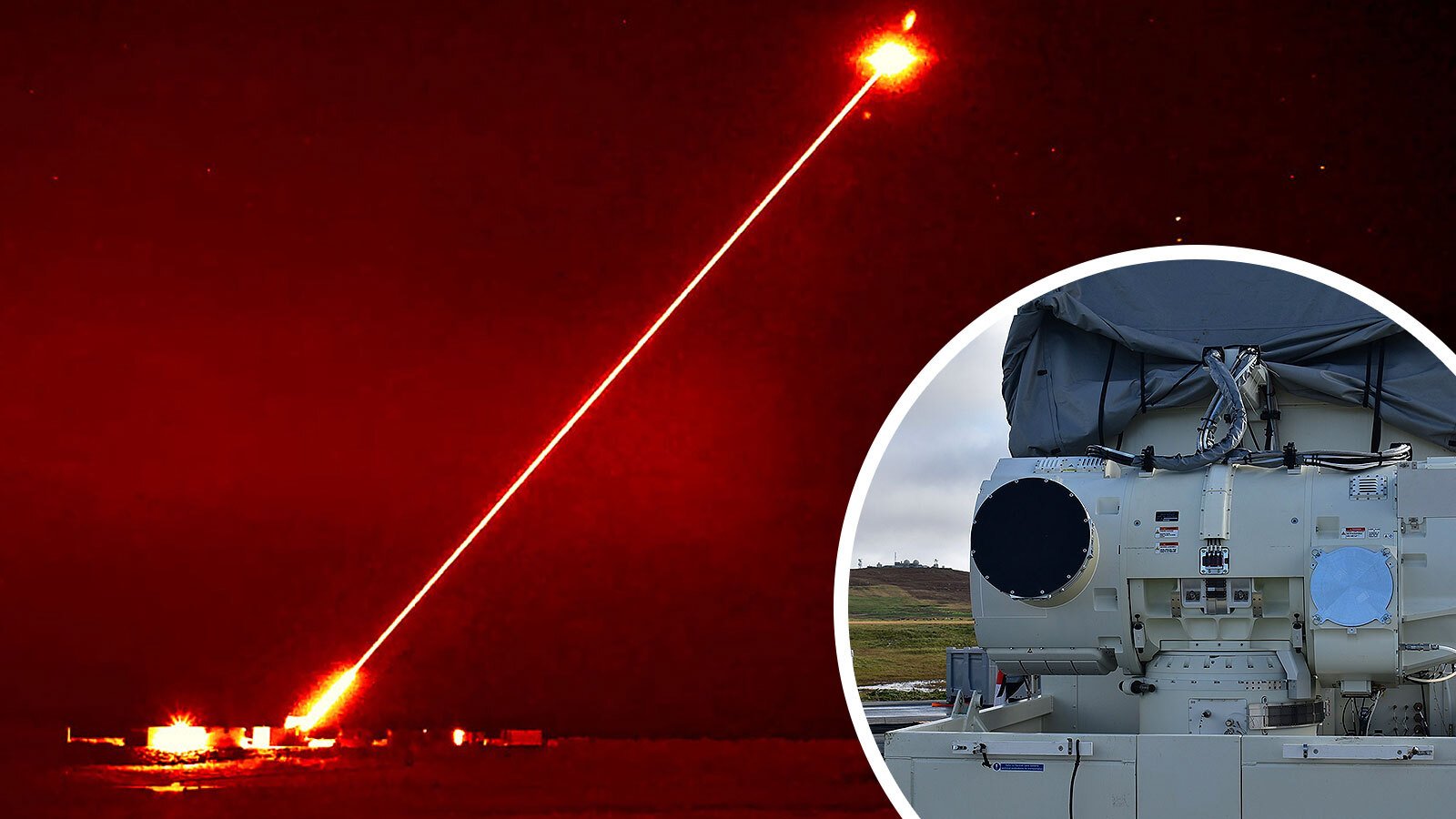
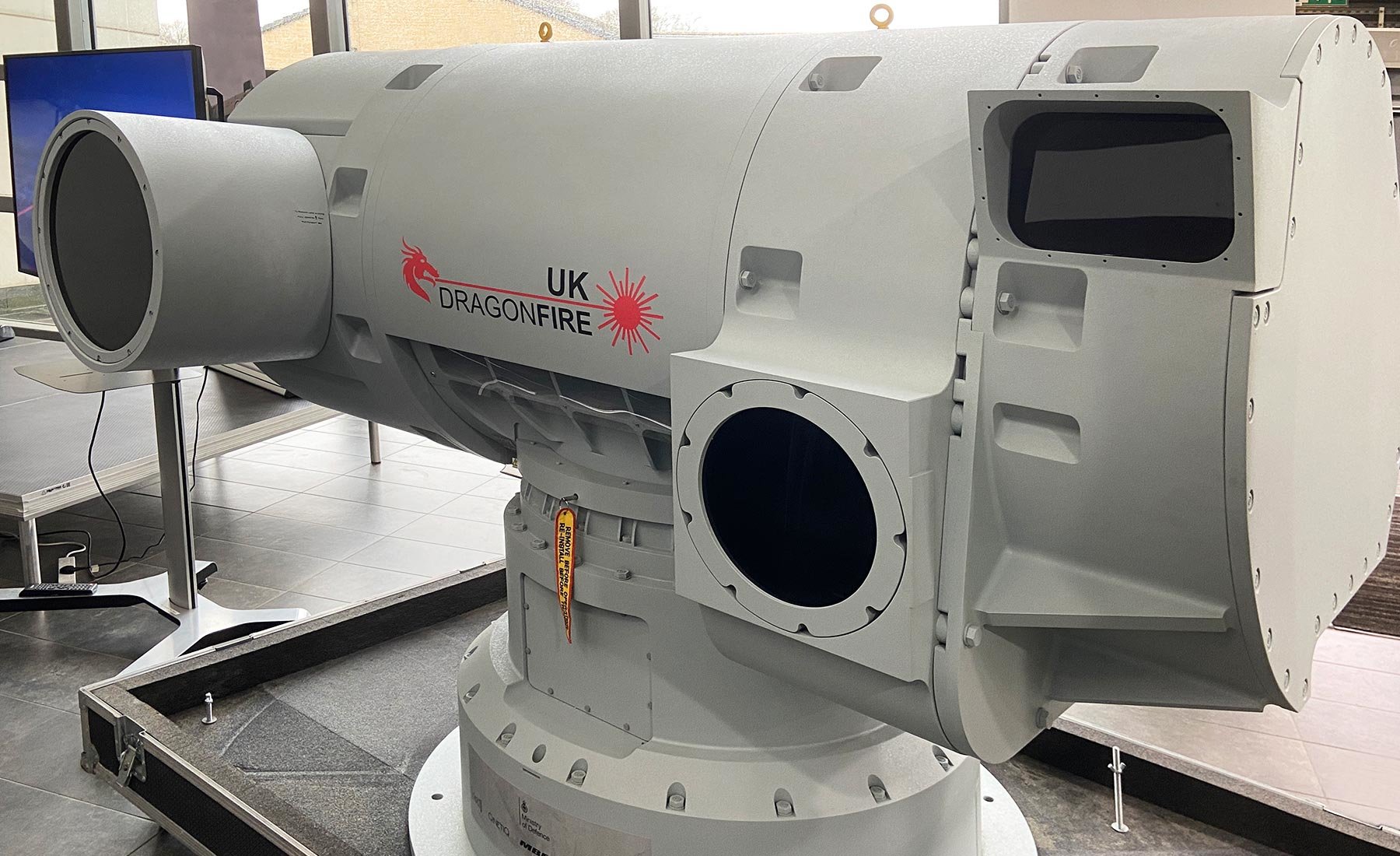
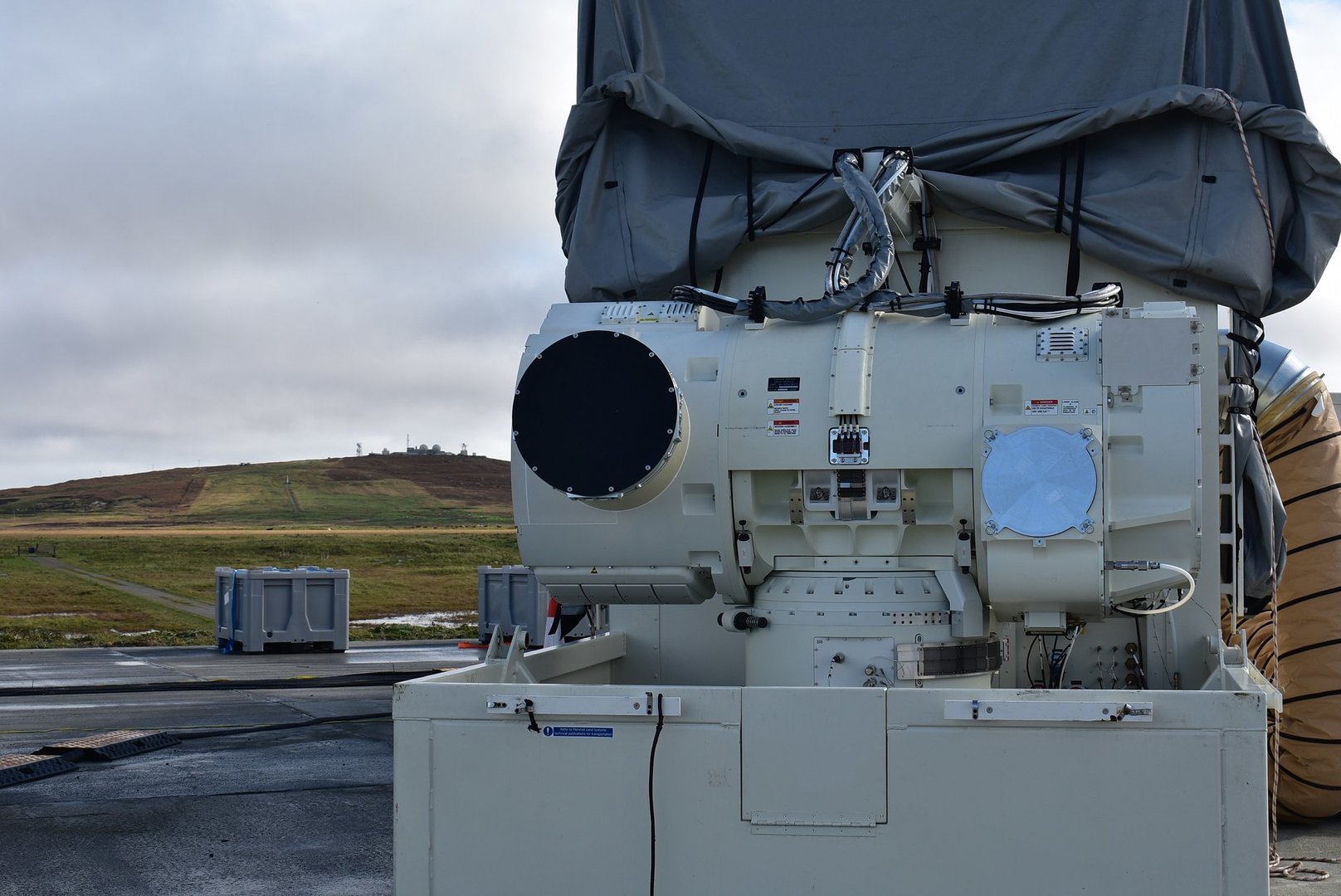
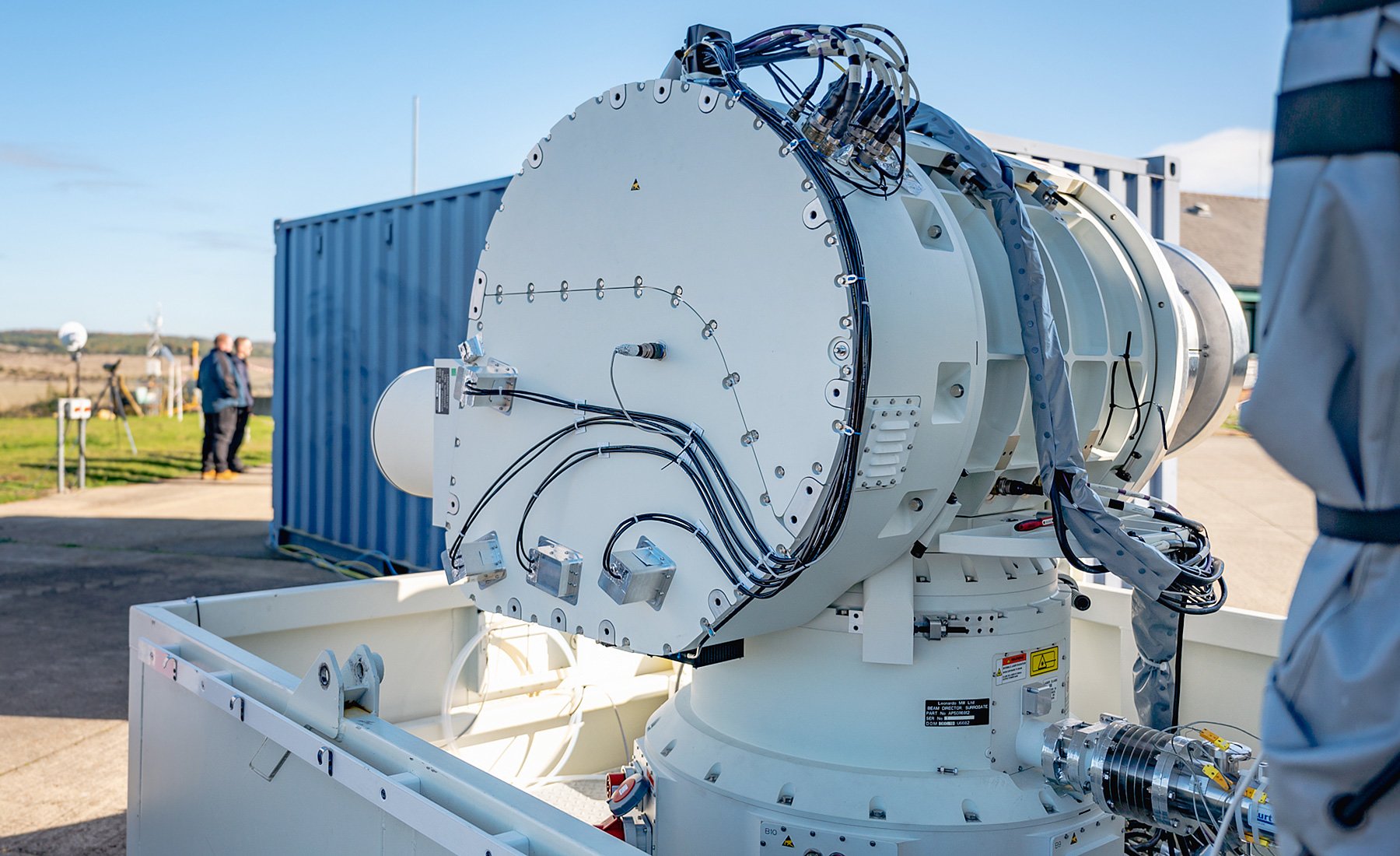
This could save significant amounts on interceptors currently in use, which can cost millions of dollars each. During a test in Scotland, the system successfully engaged an aerial target.
DragonFire is capable of striking small targets with precision over long distances, although its exact range is classified. Its laser can cut through metal, potentially detonating warheads, and offers a cost-effective alternative to traditional air defense systems.
The emergence of low-cost drones has challenged existing defense economics, making affordable solutions like laser systems increasingly attractive. Laser weapons are still experimental and face limitations, including weather interference and cooling requirements. They must also maintain target locks to be effective.
Other countries, including the US, have developed similar laser systems with varied success. The US Navy has field-tested lasers, but there is no immediate plan to deploy these to combat forces. The Pentagon has been urged by the GAO to clarify missions and strategies for acquiring laser technology.
Despite challenges, the urgency to integrate lasers into combat due to evolving threats remains a priority for British defense. The UK is committed to expediting the deployment of these advanced weapons to the front lines.